As a writer and someone passionate about helping others find their voice, I often tell those in my circle that writing comes down to three simple words: Write, Edit, Market. These three steps are the foundation for every writer, whether you’re scribbling in a private journal or dreaming of becoming the next bestselling author.
Writing is a deeply personal act. It can be exhilarating, cathartic, and even terrifying. But no matter where you are in your writing journey, there’s one truth that underpins it all: writing has value—even if you never share it.
The Joy (and Fear) of Writing for Fun
Writing for fun is one of the most satisfying things you can do. It’s even better than painting (although I’m sure artists might argue with me on that one). Why? Because writing can exist in secret. Your words can live tucked away in a diary, scribbled in a notebook, hidden on your phone, or stored in the depths of your computer. For many, writing is a private act of self-expression—a way to process emotions, explore ideas, or escape from the chaos of daily life.
Yet, here’s the catch. While many people write for fun, they’re often unwilling to share it. In my role as a director of a writers’ league, I’ve encountered countless writers who confess that they write—but they keep their work hidden. Why is this?
Why Writing Feels So Personal
Writing is deeply personal because it comes from the core of who we are. It’s more than just putting words on a page; it’s a reflection of our thoughts, emotions, and experiences. Sharing that with others can feel like exposing your soul. Here are a few reasons why many writers hesitate to share their work:
1. A Window into the Soul
Writing often reveals our innermost thoughts—even when we don’t intend it to. Whether it’s fiction, poetry, journaling, or essays, writing tends to carry pieces of the writer. Our values, fears, dreams, and even vulnerabilities are woven into our words. For some, sharing that feels like standing naked in front of an audience.
2. Fear of Judgment
When we share our writing, we open ourselves up to critique. For many writers, it’s hard not to take feedback personally because our work feels like an extension of ourselves. The fear of rejection or misunderstanding can make it easier to keep our writing hidden.
3. Imposter Syndrome
A lot of writers struggle with self-doubt. Thoughts like, “What if my work isn’t good enough?” or “Who am I to call myself a writer?” creep in. This self-doubt can make sharing our words feel intimidating.
4. Writing as a Safe Space
For some, writing is a sanctuary—a place to process emotions or work through challenges. Sharing that space with others can feel like an intrusion or a loss of control. Once someone reads your work, it’s open to interpretation, and that can be uncomfortable.
5. The Intimacy of the Creative Process
Writing is often a solitary act. The process of crafting a story, poem, or essay is personal and raw. Sharing unfinished work, or even polished pieces, can feel like exposing something fragile.
Why Sharing Your Writing Matters
While it’s completely valid to keep your writing private, sharing your work can be transformative. It can lead to personal growth, connection, and even fulfillment. Here’s why:
Connection with Others
When you share your writing, you create an opportunity to connect with readers who understand your experiences or emotions. There’s something powerful about knowing your words have resonated with someone else. It reminds you that you’re not alone.
Feedback for Growth
Constructive criticism can be scary, but it’s also invaluable. It helps you refine your skills, discover your unique voice, and grow as a writer. No one becomes great without feedback and practice.
Empowerment
Sharing your writing is an act of courage. It’s a way of stepping into your creative identity, embracing vulnerability, and owning your story. That empowerment can translate into other areas of your life as well.
Inspiring Others
You never know how your words might impact someone else. Your story could inspire, comfort, or motivate a reader in ways you never imagined. Writing has the power to change lives—yours and others.
Building a Safe Space for Writers
In my writers’ league, one of my biggest goals is to create a safe space for sharing. It’s my job to push, nudge, and encourage writers to step out of their comfort zones and let their voices be heard. Many of us are here because we aspire to be the next [insert your favorite author], but even if you’re just writing for yourself, sharing your work can be incredibly rewarding.
One of my writer friends once joked, “Talking with my friends or family about my hobby is like talking to accountants.” That’s why groups like ours exist—to provide a supportive community of like-minded individuals who understand the highs and lows of writing.
In our group, we set standards to ensure everyone feels comfortable sharing. It could range from “family-friendly” to “anything goes,” depending on the group dynamic. For larger groups, subgroups can form for specific genres, so everyone gets feedback tailored to their work. The key is creating an environment where writers feel safe to take risks.
A Personal Example: Writing as a Window into the Soul
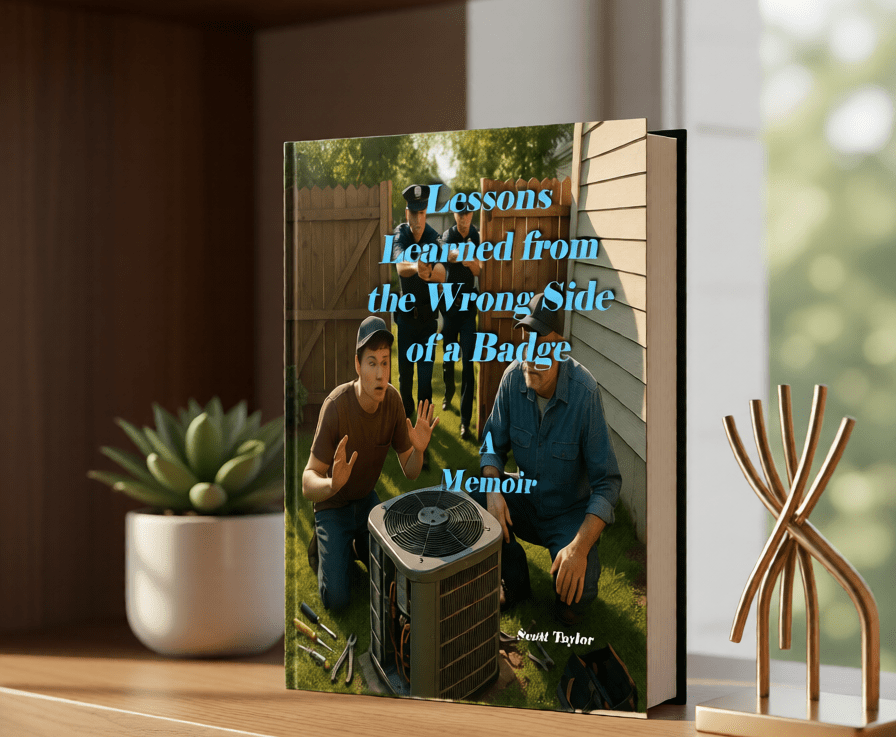
In yesterday’s blog, I talked about a memoir I released, Lessons Learned from the Wrong Side of a Badge. Writing it was an incredibly personal experience—a true window into the soul. Memoir writing, in particular, forces you to confront your past and share it with the world. It’s not easy, but it’s one of the most rewarding things I’ve ever done.
I encourage everyone to write, whether it’s for mental health, literacy, or just for fun. And if you’re ready to take the next step, consider sharing your work. You never know who you might inspire.
What’s Next?
In my next blog, we’ll dive into the second step of the process: editing. Writing is only the beginning—editing is where the real magic happens. We’ll talk about tools, techniques, and how to approach editing without losing your mind.
In the meantime, I’d love for you to check out my memoir, Lessons Learned from the Wrong Side of a Badge. You can find it here on Amazon. Let me know what you think!
Until next time, keep writing—and don’t be afraid to share your story. The world needs your voice.
– Best, Scott Taylor
Discover more from TheTimeDok
Subscribe to get the latest posts sent to your email.
