Tag: health

Frozen at Forty-Five

Frozen at Forty-Five

A drunk stranger, a thermos of coffee, and 115 miles an hour: what one second cost me.

My speedometer stopped at forty-five. Frozen there, like a clock that gave up mid-tick. The rest of the world had slowed too: glass tumbling past my face one shard at a time, the dashboard rising to meet me, the steering wheel folding into my chest. People say your life flashes before your eyes. Mine didn’t. Time simply stretched, and in that stretched second I understood I was about to die. I was wrong, but only barely, and only because I like coffee.

You’ve been in that lane. Maybe not drunk, maybe three drinks in and certain you were fine, or looking down at a text for what felt like half a second. Half a second is the whole story. That’s all the time it took to take the rest of my life apart.

That was thirty sevenyears ago. It made the front page of a small East Texas newspaper, and it earned me my fifteen minutes in the most austere way a man can get them.

Driving home tonight, I passed more than one driver weaving across lanes. Usually it’s texting or checking a missed call, and of course they’re convinced they can do it more safely than anyone else. Sometimes the weaving is simpler: they’re drunk or high. I know exactly where that road leads, because in 1992 it led straight into me.

A head-on collision at freeway speeds with an intoxicated eighty-year-old forced me to reinvent myself. I survived treatment at a small country hospital that doubled as an emergency vet clinic (joking . . . I think), and I was clearly destined for other things.

The broken bones and lacerations healed, but the scars remain just beneath the surface. Pain is a constant reminder of that day.

I still have my legs because I like coffee. Minutes before impact, I’d stopped for gas and filled a stainless steel thermos, setting it upright on the passenger seat. Cresting a hill, I found a Cadillac barreling toward me in my lane. My options were to swerve or brake. A red truck blocked the next lane, so in the split second it took to say “Oh, shit,” it was over. That fast. I’d locked the anti-lock brakes and bent the brake pedal. He never touched his.

The combined collision speed was 115 miles an hour. How they calculated that, I have no idea; my speedometer was frozen at forty-five.

That split second is etched into my brain, a permanent reminder of what happens when idiots drink and drive. Time fascinates me now, because I believe it isn’t linear but relative. During impact, the world became a high-speed film: glass tumbling frame by frame, left to right; the dash rising to meet me; the steering wheel crushing my face and chest. What I remember isn’t a bang. It was a long tearing, metal giving up all at once, and then the smell: gasoline, hot coolant, and my own blood. The thermos launched to the floor and wedged between the firewall and my seat frame. Full of liquid, its hydraulic resistance stopped the dash from severing my legs and likely kept the steering column from piercing my heart.

The other driver was pinned under his dash. He left in the first ambulance with a single cut on his forehead and was released that day. He wasn’t even wearing a seatbelt. I never learned what became of him. Since we shared the same insurer, I was “lucky” to be compensated. The claims adjuster was nasty on the phone. They wouldn’t replace my six-month-old truck, and they didn’t care that I was upside down on the loan. I understand adjusters work for the company, but I was surely not in “good hands.” If you’re lucky, insurance is money pissed away on something you’ll never need. Either way, they do whatever they can to avoid paying. Worth knowing: you get two years to file every claim. What surfaced in me after those two years was a diagnosis football players collect from the punishment of the game. I’m certain the insurers know that timeline as well as the doctors do. Two years, then it’s “piss off.” Some injuries take years to declare themselves, growing new bone that either steals your range of motion or hands you pain you never escape, until death.

As I said, my trip to the hospital began only after they’d removed the man responsible.

My vision faded as the pain in my chest intensified. Certain I was going to die, I made my peace with God, and strangely, I didn’t mind. There was a peace in it, as if the answer were finally at hand. God had other plans. Waiting for the end, I managed to unbuckle my seatbelt, but the pain remained.

With what vision I had left, I watched them pull the other driver onto a stretcher. A man came to my window. Talking hurt, and breath was scarce, so my answers were short. My face had met the steering wheel (or the wheel had met my face), so speaking clearly wasn’t an option anyway. Blood was leaving my body through every orifice, visible and not.

The engine and tires of my truck had come to rest beneath my seat. I heard the Jaws of Life popping the metal as they cut the door away, then sliced through what remained of my seatbelt. My vision was nearly gone, but I could still hear the equipment and the voices. People talk about the white light; mine faded from white sparkles to a blank white screen. “It’s a miracle he’s alive,” one responder said. They fitted a collar and pulled me out.

I wanted to say something, anything, to prove I was still a person and not a body they were working on. Nothing came out. My hands wouldn’t close. Somewhere behind the ringing a woman was crying, and I couldn’t tell whether it was for me or for him.

Once they laid me down, my sight returned. I saw the emergency vehicles and the wrecker driver gathering my belongings, scattered across the freeway. Steam rose from under my seat, where the engine now sat. The truck bed was warped and twisted by the force of the crash.

In the ambulance, the medic warned me the 18-gauge needle for the sugar water would hurt. Compared to everything else, it was a mosquito bite.

At the hospital, they were already working on the man who’d hit me, separated from me only by a curtain. He was old, drunk, and on medication. His wife had recently bought him this big old Cadillac after he’d totaled his last car, so he’d be protected if he crashed again. He bragged that she’d been right, since here he was.

Listening to him praise his classic Cadillac, what was left of my blood boiled. Bad enough they’d taken him first; now I had to share a room with him.

Then it was my turn to be treated like meat.

As they cut my clothes off, there was no shortage of spectators: doctors, nurses, a physician assistant (young, attractive, long curly brown hair), and a burly old cop who’d clearly never missed a meal.

The accident report was read aloud to everyone, including the note that my seatbelt was unbuckled. I tried to explain that I’d taken it off, but the cop was more interested in fault and writing a ticket than in me. He looked down as if to say, Sure, we’ve heard that one before. Arrogant son of a bitch. If he couldn’t read the evidence, he was a moron.

Then they cut off my shirt and revealed a wide purple stripe across my chest and belly, the mark of the belt. The cop put his ticket book away. I don’t mean to sound churlish; I count many police as friends. But thinking about him still makes me angry.

The doctor arrived in a black silk sports jacket with a yellow logo, on call from some sporting event and clearly unhappy about it. His bedside manner left much to be desired. There were two hospitals in town, one for the poor and one for people with means. I had insurance and means, and they’d brought me to the one in need of everything.

After examining my naked body in front of the crowd, the “doctor” flipped me over and stuffed a finger up my rear as the last insult. Broken bones, crushed chest, shattered face and legs, and without so much as an X-ray, he finished his exam like I was a slab of meat, scribbled orders, and left. A sonogram showed my heart was bruised. Then came X-ray, near the morgue. I could smell the dead, or maybe that was me.

Water-stained ceiling tiles told the story of the building’s finances. The X-ray machine wouldn’t stay put; its old, loose joints let the head slide every time she stepped back to trigger it. We shot several images before she finished. God knows how much extra radiation that museum piece gave me.

Back in the ER, the man’s wife arrived. “They said I was in the wrong lane,” he told her.

He got three stitches and was soon released. Before leaving, his wife came to me. I was covered head to toe in my own blood, my beard caked with it. She rubbed my forehead and apologized: “I knew better than to get him another car.” Then she added, “I’m not supposed to tell you this, but we have good insurance.”

Even in my state, I was too polite to tell her what she could do with her good insurance. First I had to survive the day, the night, and another day before I could think about any of that.

After hours in the ER, I was moved to the ICU. If you’ve never been hospitalized (and I hadn’t), it’s not an experience I’d recommend.

Because of the bruised heart and they didn’t know what drugs I was on, they decided I couldn’t have pain medication. A dentist checked the teeth that had gone through my face and stitched me up from the inside out, no anesthetic. Next came the doctor who set my broken nose, a man who reminded me of the professor from Back to the Future. He pressed with his thumb, couldn’t get it straight, then jammed enormous forceps up my nose and forced it into place. The pain was unbelievable, ending only with the final crunch of bone.

The monitor echoed the throbbing in my body. As long as it beeped, I knew I was alive.

The PA kept pressing me to admit what I was taking. “C’mon, we know you’re on something. We need to know.” “Really, I don’t do that. Never have.” She tried again and again; my answer never changed. I may be the only person on this planet who’s never touched the stuff, but I haven’t. “If we know what your on we can give you pain meds.” True story, they were bribing me with pain relief.

“We don’t know what you’re on, so we can’t give you pain medicine,” she said. What was I supposed to do, lie so they’d treat my pain? I am not making this shit up, it happened. Whoever this Andy person was, they were protecting him.

After the worst week of my life, the toxicology report came back: low potassium. “What are you doing to make your potassium low?” asked the doctor with the bad bedside manner. “Um . . . I don’t salt my food. I had the flue a few weeks ago…???” I never got so much as an aspirin.

The days and nights blurred. I couldn’t sleep. My nose, packed with cotton, throbbed for days. With broken ribs, even breathing hurt.

Every few hours someone jabbed me repeatedly for blood; whoever they were, they were bad at it. Still on saline, urinating was the only activity I could manage, and lifting the sheet was nearly impossible. More than once I needed help. Humbling doesn’t cover it.

By the third day, glass from the crash was still embedded in my hands, arm, and face. My beard remained a solid chunk of dried blood, and not one person offered to clean me up.They had extracted some of the glass but much like a splinter in your foot, the glass in my body was a constant reminder that I was still alive.

For entertainment, I discovered I could control my heartbeat through biofeedback, slowing it to an eerie crawl or speeding it up. I was wired to telemetry so someone, somewhere, could watch my rhythm; a camera on the ceiling watched too. One night I wanted a nurse and couldn’t get one, so I pulled off the leads. The monitor went silent, and nobody came for nearly fifteen minutes. If this was the ICU, I shuddered to imagine a regular room.

The next day I asked to be transferred to Houston. I knew Dr. DeBakey and many other quality doctors personally; he’d once told me to call, if I ever needed him. If something was wrong with my heart, I wanted him and his team, not these people.

Instead, they moved me to a private room in the hospital’s “best” wing, built with someone’s donation. There, with my family’s help, I got myself into the shower and stayed until every trace of dried blood was gone from my hair and skin. Then I dug my own tweezers out of my luggage and pulled the glass from my body myself.

Before releasing me, the doctor with the crappy attitude was noticeably kinder. Maybe he’d finally accepted I wasn’t on anything, or realized the wreck wasn’t my fault, or maybe he’d just gotten lucky the night before. Either way, I was glad to leave. Holding a pillow to my chest, an old friend drove me home, where I lost months of work, and eventually had to leave the job I loved, no longer able to do it.

I never did get Dr. DeBakey and his team. I’d spent years caring for the physicians of the Texas Medical Center, only to end up in a small East Texas hospital that was a joke by any standard.

Months of lost pay later, I got a call from MADD, Mothers Against Drunk Driving. I could barely afford it, but I sent them money anyway.

Thirty-seven years to date, I’m still teased about my driving. I’m defensive; I leave plenty of room, and I preach to anyone who’ll listen, watch the traffic at least fifteen cars ahead, and leave enough space to see it. People say I drive like a slow grandpa. “Slow” means the speed limit, give or take a mile or two for terrain.

Driving a big truck full of airbags is only part of my strategy. When I see people fiddling with phones behind the wheel, part of me wants to scream. And the cops? They’ve got radios, phones, laptops, and a dozen other distractions, right through school zones. Folks, they’re no different from you. Watch them drift as they mess with their gadgets. I’ve seen it, and I cringe.

Keep your distance: from big trucks, from cheerleader types who think a selfie in a school zone is smart. They do it, and it’s all over Facebook. Just the other day, a young woman picked up her child and tore out of the school at 40-plus in a 20 zone, texting as she passed me. “Where’s a cop when you need one?” I said, and right on cue, a motorcycle officer pulled onto her bumper. She drove a long way, still texting, before she noticed him. That ticket had to be pricey.

I wish I could say this was fiction. It isn’t. It happened. Some memories have surely faded, but most remain, including the pain. For thirty-seven years I’ve lived in unrelenting pain. I take nothing for it. I manage with exercise as best I can, because no medication would leave me mentally sharp. With opioids and such they work, then you need more, and more, and more, and soon enough you have all kinds of other problems like you can’t poop! No thank you. You would be shocked to learn how many people die on the toilet because they have a heart attack trying to poop.

I don’t know what became of the man who hit me. I finally read the police report in 2016 and learned the only charge against him was driving left of center. He and the cop who worked the scene went to the same church.

The cop came in, prayed with Andy, then crossed to my side of the curtain and watched them cut my clothes off. He had his ticket book open when someone told him my seatbelt hadn’t been on. I’d taken it off to see whether that would ease the pain. It didn’t; my sternum was cracked in two.  When he saw the long purple bruise the belt had left, his face turned to disgust. He’d wanted to ticket me, to make me the villain instead of his church buddy Andy. On his way out, he told the attending to test my blood for anything and everything known to man. Some East Texas cops and sheriffs really do suck.

I do know that when you share an insurer, you lose. He’s surely gone by now, but there are plenty to take his place. There were no smartphones then; now everyone has one. Weed is legal in some states, and I fear those drivers will be impaired too. Even where it’s illegal, I’d bet one in three drivers is under some influence.

He got three stitches. I got thirty-seven years of pain, PTSD, and counting.

That’s the part I need you to sit with. The man who hit me felt almost nothing. He went home that afternoon, praised his Cadillac, and let his wife apologize on his behalf. The cost didn’t land on him. It landed on a stranger cresting a hill with a thermos on the seat beside him, and it has stayed with that stranger every day since.

So if you’ve ever done the arithmetic in a parking lot, counting drinks against miles and telling yourself you’re fine, understand what you’re actually wagering. Not your license. Not your record. Someone else’s life, spent on your behalf, without anyone asking them.

My speedometer stopped at forty-five. I’ve spent every year since trying to keep yours from doing the same. Hand someone else your keys. Take the defensive driving course. It’s the cheapest insurance you’ll ever buy

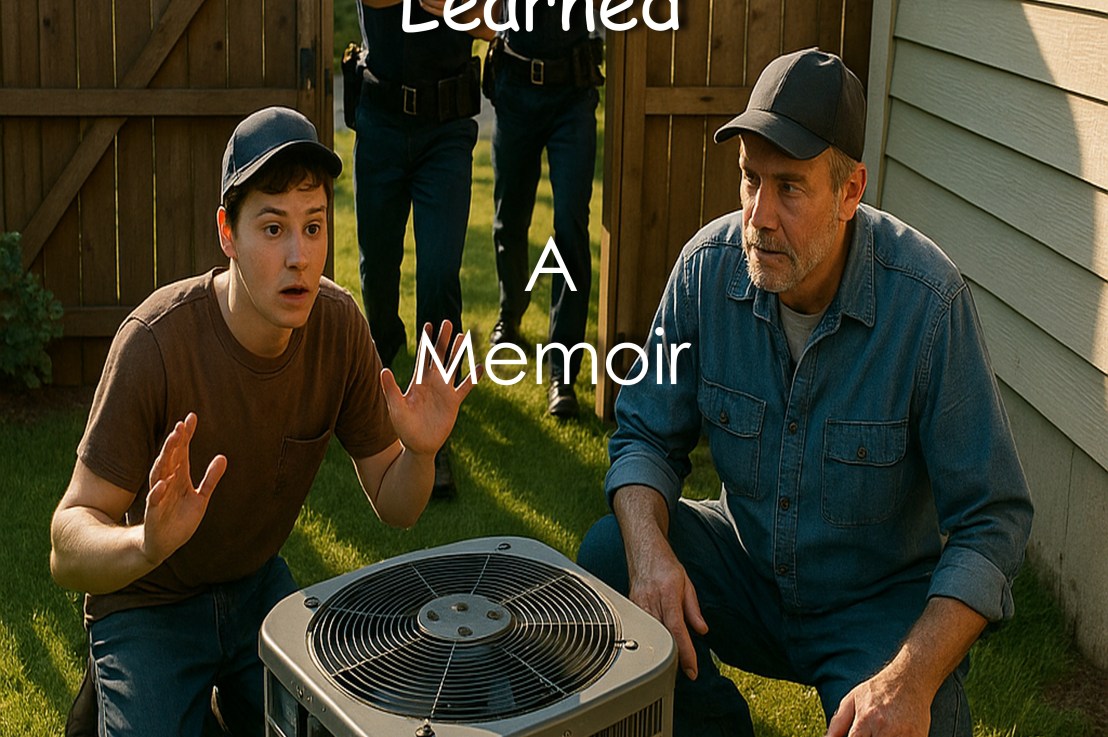
I’ve written a memoir. You can get your copy here. This story is in it in full, along with many others. the cover art is different with more stories than this version but the link will get you there.

Best,

© All Rights Reserved 2026
Why Health Insurance Calls Are So Frustrating: A Personal Account

Why Health Insurance Calls Are So Frustrating: A Personal Account

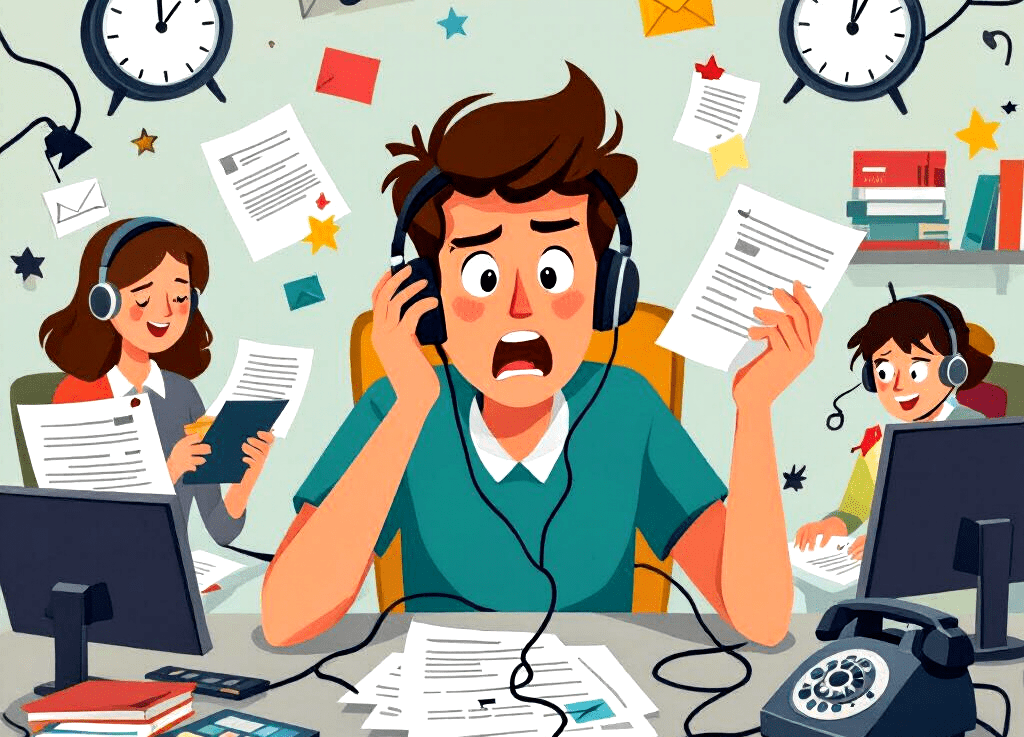
Have you noticed that when you call for help with a claim, you’re told that “call volumes are heavier than normal and wait times are longer at this time”?

Last week, I received a bill for a procedure that should have been fully covered. The bill was for $517.15.

I called the doctor’s office and was transferred to billing, where I was told, “You need to call the carrier and dispute it.”The old joke about needing patience to call HP for support pales in comparison to dealing with people working from home.The problem started at the doctor’s office. They need more training—or they need to care about their work.However, I didn’t know that at the time, so I called the insurance carrier. Even Job would have lost patience with these people. After hours on hold, multiple transfers, and being ignored by one agent (whose child screamed in the background), my call was left on hold and never resumed.Automated claim systems don’t think; they check boxes. A person could have reviewed the issue and prompted the doctor to submit the EOB to the correct group from the start.After hours of listening to terrible hold music, someone finally answered the phone. I could barely hear him, but the bottom line was that I needed to call another party.

After more time on hold, I reached the next party, who told me the doctor’s office needed to fix their billing system and resubmit the claim properly.Back to the doctor’s office—press 1 for this, 2 for that, 3 for something else, but no option for billing. I was told to leave a message and “have a blessed day.”

To their credit, they called back before closing and told me to call the carrier again.We were stuck in a loop, and I spent most of the day listening to commercials and tinny music.I insisted on speaking to the office manager, who took my information and commented, “People—they’re stupid.”I replied, “No argument from me.”This billing error from the doctor’s office took hours of my time to address, and I’m still not sure it will be resolved correctly.Working from home is not working—these people are clearly not working.The representative at the carrier was belligerent and curt. I’m sure she just hung up when her child screamed, “Mom!”

When you finally reach a person, they look for any excuse to transfer you.After hours of commercials and hold music, I wondered why I would ever do business with this group again.AI does not possess critical thinking skills.In my experience, people working from home lack the work ethic of those in an office, especially when a supervisor is nearby.Corrective action is needed:

A: Every denied claim should be investigated by a person. As a health insurance company, is it wise to make people in need of medical care navigate a maze of IVR and AI systems that don’t understand them?

B: Calls that are recorded, as announced, should be reviewed. You can clearly hear kids screaming, dogs barking, and TVs in the background. Let’s return to hiring people who want to work and cut the dead weight.

C: Wait times should never exceed a few minutes. Waiting for over two hours is unacceptable.Thank you for your attention to this matter.

Why ‘Ask Your Doctor If Death Is Right for You’ Works

Why ‘Ask Your Doctor If Death Is Right for You’ Works

Years ago I worked at an advertising agency. We had to be creative. Today while watching the news I was shocked by the big pharma ads. The tag line: is death right for you, came to mind.

Thinking back to those days, I formulated an ad campaign that would never get played, but it should. Do we really need pills that keep us hooked on more pills to fix the side effects of those pills?

Tell me what you think.

Alright, team. Gather ‘round. I’ve got a pitch for you that’s equal parts brilliance, absurdity, and just the right amount of “what the actual f***.” You’re going to love it. Or hate it. Either way, we’re making history—and probably pissing off Big Pharma in the process.

Picture this: A pharmaceutical commercial. But not just any pharmaceutical commercial. Oh no, this isn’t your run-of-the-mill “cure one thing, destroy seven others” nonsense. This is bold, it’s darkly funny, and it’s honest. Strap in, because I’m about to sell you the next big thing in healthcare advertising.

Opening Scene: A Hallmark Dream

We start with the usual formula—because let’s face it, the best parody thrives on clichés.

Imagine a serene meadow: golden sunlight pouring through the trees, a golden retriever frolicking in slow motion, and a woman spinning in circles like she just discovered her life has been sponsored by Xanax. The piano music? Uplifting. The visuals? Pinterest-worthy. The voiceover? Smooth as silk.

“Are you tired of your minor discomfort? Is that pesky rash ruining your Tuesday? Does your slight headache feel like the universe is conspiring against you? Introducing PanaceaX™—because being mildly inconvenienced is clearly the worst thing that can happen to you.”

Cue the woman laughing with her family. She’s baking cookies with zero regard for her gluten intolerance. The dog’s wagging its tail like it’s auditioning for a Disney movie. You feel warm, cozy, safe. But then… oh, then, the voiceover takes a turn.

The Twist: Side Effects from Hell

“Side effects may include nausea, dizziness, dry mouth, explosive diarrhea, uncontrollable vomiting, hallucinations, existential dread, spontaneous combustion, and, oh yeah—death.”

Pause for dramatic effect.

“Ask your doctor if PanaceaX™ is right for you.”

Now, let’s linger on this for a second. Death. We’re not even trying to sugarcoat it. We’re leaning all the way in. Because, let’s be real—half the drugs on the market already come with side effects that sound like rejected horror movie plots. Why not own it?

The tagline? Simple, catchy, and just the right amount of nihilistic charm:

“PanaceaX™: Because if you’re gonna die anyway, you might as well do it medicated.”

Now, I know what you’re thinking: “But how do we make people laugh about something as horrifying as spontaneous internal bleeding or uncontrollable rage?” Easy. We do what pharmaceutical ads already do—bury it under a montage of happy people living their best lives. Except we call attention to how absolutely insane it is.

The voiceover speeds up, auctioneer-style. You know the drill: “Nausea. Vomiting. Headaches. Diarrhea so explosive it’ll put food poisoning to shame. Dry mouth so bad you’ll think you’ve been licking sandpaper. And for those of you lucky enough to hit the jackpot: sudden personality changes, hallucinations, and the occasional bout of spontaneous combustion. PanaceaX™: Because nothing says ‘healthcare’ like becoming a walking dumpster fire.”

Meanwhile, the visuals continue to show people doing things that have nothing to do with the drug. A dad teaching his kid to ride a bike. A couple on a beach. A grandma knitting a sweater for her cat. No one’s vomiting. No one’s combusting. It’s all lies. But that’s the beauty of it.

Let’s Talk About the Rare Side Effects

Now, this is where we really shine. These aren’t your run-of-the-mill “oops, I sneezed too hard” side effects. Oh no. These are the real gems. The ones that make you question your life choices.

Uncontrollable Rage: Perfect for holiday dinners with the in-laws.

Sudden Hair Loss: Because bald is the new black.

Loss of Taste: Both literal and metaphorical. Say goodbye to your sense of flavor and your fashion sense.

Spontaneous Internal Bleeding: A fun surprise for everyone involved.

Death: The ultimate cure for all ailments. Guaranteed 100% effective every time.

And we have to include this one: “May cause an irrational fear of ducks.” Why? Because it’s weird, it’s random, and it makes people pay attention.

The Irony of It All

Here’s the kicker, folks: The diseases these drugs are treating? They’re usually not that big a deal. Heartburn? Allergies? A little anxiety? You don’t need a pill for that—you need a nap and a decent therapist. But no, we’ve been conditioned to think that every minor inconvenience requires a chemical solution. And let’s be honest, we eat it up. Why? Because the ads show us what we want to see: happiness, health, freedom.

That’s the genius of it. They dangle the perfect life in front of us, and we bite. Even if the fine print basically says, “May cause your organs to implode.”

Final Scene: The Closing Pitch

So here’s how we wrap it up. The screen fades to black. The piano music swells. The logo for PanaceaX™ appears, glowing softly. And the voiceover delivers the final line with just the right amount of smug optimism:

“PanaceaX™: Ask your doctor if death is right for you. (Spoiler alert: It probably is.)”

Cue the woman spinning in the meadow one last time, but this time, she’s holding a giant bottle of PanaceaX™ like it’s the Holy Grail.

Why This Works

This pitch is self-aware, sarcastic, and just unhinged enough to go viral. It pokes fun at the absurdity of pharmaceutical advertising while staying true to the format. It’s dark, it’s funny, and most importantly—it’s memorable. People will be quoting, “Ask your doctor if death is right for you” for years.

So, what do you think? Are we ready to take the pharmaceutical world by storm, or should we just prescribe ourselves a big ol’ dose of “f*** it” and call it a day?

A Taste of Stupid Shit (Coming Soon to a Brain Near You)

That, my friends, is just a tiny sample of the glorious nonsense you’ll find in The Big Beautiful Book of Stupid Shit, which is currently in the editing process. Yes, I’m editing it—because apparently, society frowns upon just flinging raw stupidity into the world without a little polish. Go figure.

I’m hoping to release it in the next few weeks because, let’s be real, the world desperately needs this. We’re drowning in stupidity every day—on TV, on social media, at family reunions—and someone (me) needs to catalog it, mock it, and gift-wrap it for your reading pleasure.

So, do me a favor: subscribe, follow, comment, and tell me what you think. Or don’t. I’m not your mom. But if you do, you’ll get to say you were here before this book becomes the literary equivalent of a viral cat meme. And let’s face it—who doesn’t want that level of cultural credibility?

Go forth, let your voice be heard and spread the word far and wide. Or don’t. No matter what, this book will come to fruition, and it promises to be an exceptionally enjoyable experience. Stay tuned, and prepare for comedy gold written in bite-sized chapters that will have you laughing as if you were at a live show.

-Best

The Dangers of AI in Health Insurance Decisions

The Dangers of AI in Health Insurance Decisions

Imagine this: You’ve been working with a trusted specialist for years. They’ve prescribed a specific medication that works for you—one that keeps your condition under control and allows you to live your life. Then, out of nowhere, your pharmacist informs you that your insurance company has denied coverage for that medication. Why? Because somewhere in a server room, an AI algorithm has decided that a cheaper alternative might work just as well for you.

This isn’t science fiction. It’s happening now. AI is playing doctor—not by asking you to turn your head and cough, but by making cold, calculated decisions about your health, often without understanding the nuances of your medical history or the expertise of your physician.

The Kafkaesque Nightmare Begins

The first sign of trouble is a message from your pharmacist: “Your insurance has denied your claim.” For most people, this is the start of a maddening journey through a labyrinth of bureaucracy. You don’t fully understand why your claim was denied, but you know one thing: you need your medication. Your blood pressure spikes as frustration sets in.

You call the pharmacy, only to be greeted by an automated voice system. “Press 1 for English, 2 for Español. In a few words, tell us why you’re calling.” After navigating this maze, you finally reach a human—someone who asks for your name, date of birth, and insurance details. Then comes the dreaded response: “Your claim has been denied.”

Why? The pharmacist doesn’t know. They’re just the messenger. The denial is the result of an algorithmic decision, one that doesn’t care about your years of successful treatment or the side effects of alternative medications. It only cares about cost.

Your next call is to your doctor’s office. Surely, they can help, right? Wrong. You’re transferred to a voicemail because it’s after 3 PM. “If this is an emergency, call 911,” the recording says. You leave a message and wait. The next day, someone from the office calls back, but they’re just as baffled as you are. “Your claim was denied,” they say. “We’re not sure why.”

The doctor’s office contacts the insurance company on your behalf, only to be told that the denial was based on the AI’s determination that you haven’t tried cheaper alternatives. Never mind that those alternatives might not work for you—or worse, might cause harmful side effects. The AI doesn’t care. It’s not a doctor. It’s a cost-cutting machine.

At this point, you’re left with two choices: pay out of pocket for the medication you know works, or gamble with your health by trying the cheaper alternatives the AI recommends. If you’re like many people, you grit your teeth and pay full price, furious that your health is being held hostage by an algorithm.

This isn’t just a personal inconvenience. It’s a systemic issue. Insurance companies are increasingly relying on AI to review and deny claims, often without human oversight. According to reports, AI-driven claim denials have skyrocketed, with some estimates showing a 16-fold increase in denials. And while 90% of these denials are overturned on appeal, the damage is already done. Patients lose time, money, and sometimes their health in the process.

The consequences of these AI-driven decisions are devastating. Patients are forced to delay or forgo treatment, leading to worsening health outcomes. Families are left scrambling to cover costs, sometimes draining their savings or applying for Medicaid just to keep their loved ones alive. And all the while, the insurance companies’ bottom lines grow, as they save money by denying care.

This isn’t just about money. It’s about trust. When an AI overrides the judgment of a trained medical professional, it sends a chilling message: Your health doesn’t matter as much as our profits.

The most insidious part of this system is the message it sends to patients: If you can’t afford the medication you need, maybe you should just consider dying. After all, if the AI has decided that cheaper alternatives are “good enough,” and you can’t afford to pay out of pocket, what other choice do you have?

This dystopian reality is already here. AI is being used to make life-and-death decisions, often without transparency or accountability. And while insurance companies and their shareholders reap the benefits, patients are left to suffer the consequences.

So, ask yourself: Is death right for you? Because if we don’t push back against this system, the AI might just decide that it is.

Let’s not sugarcoat it—this is some stupid, infuriating nonsense, but it’s real. Reports from insiders who understand the inner workings of the insurance industry confirm that something is seriously wrong with the system. And while insurance companies might push back, claiming that all claims are reviewed by humans, let’s be honest: how much effort do you think those humans are actually putting into these reviews?

Since play work at home started with Covid do you think things are better or worse today when you try to contact someone at a company? How many times have you actually spoken with someone in this country where dogs or kids are in the background? Do you really believe that those employees are giving it their all?

Insurance companies love to assure us that every claim denial is carefully reviewed by a human being. But let’s make a bet: how thoroughly are these denials really being examined? Picture this—someone sitting at a desk, half-heartedly scrolling through claims while texting their spouse, checking Instagram, or playing Candy Crush. Do you think they’re giving your life-saving medication claim the attention it deserves? If they were, this kind of crap wouldn’t be happening.

What should be happening is HIPAA Compliance: AI systems must protect sensitive health information and ensure data privacy and security.

“And how was it that all of Baylor Scott And White’s database was hacked, stolen, and everyone’s personal information from medical, SS number, etc, stolen, with the lame statement from them that it happened, and an even lamer …sorry… you should watch your accounts and maybe change a password or something.”

CMS Guidance: The Centers for Medicare & Medicaid Services (CMS) requires that AI not be the sole decision-maker in coverage determinations, mandating human oversight to prevent unjust denials.  That might sound good, but my personal experience was not that. I am still arguing with AI, and it is stuck on, Is, death right for you?”

Bias Prevention and Transparency: AI algorithms must be monitored to avoid bias and ensure fair outcomes. Transparency and explainability are crucial for maintaining trust and regulatory compliance.

Continuous Monitoring: Regular audits and updates are necessary to ensure ongoing compliance with evolving regulations.

The truth is, many of these so-called “human reviews” are likely rubber-stamped approvals of decisions already made by AI algorithms. The human oversight is often a formality, a box to check so the insurance company can claim they’re doing their due diligence. But in reality, the system is designed to prioritize cost-cutting over patient care.

ScienceSoft offers AI-powered claim management systems that can instantly detect and reject fraudulent claims, deliver accurate damage estimates, and provide intelligent recommendations for risk prevention. Their solutions leverage machine learning and other AI technologies to streamline the entire claims process.

Tractable is known for its deep learning and computer vision solutions, which automate the claim cycle, including medical insurance claim verification. Their technology enables remote inspection and instant loss assessment, reducing manual intervention and expediting claim resolution.

Fathom specializes in automating medical coding, a critical component of claim verification. Their AI platform analyzes clinical notes to accelerate billing and ensure accurate claim submissions for healthcare providers.

Keragon provides AI-powered automation for healthcare claims processing, including eligibility verification and claims submission. Their platform reduces manual data entry, accelerates verification, and automates routine administrative work, making it accessible even for non-technical staff.

You could make lots of noise and bitch to your congressman about this, or … pay full price, or… Well…this is just part of what is to come if we don’t push back.

Can we get an AI program that can talk to their AI program and work things out? Maybe #MAHA needs to get involved.

Those politicians who rely on lobbyist money need substantial funds for their campaigns. Who do you think has a better shot of getting treated like they give a shit?

Stay Healthy, My Friends, because AI might consider that death is right for you.

Make sure you sign up for e-mails and follow…you know the drill.  This looks like a subject that needs to be in my book Stupid Shit, which is due to drop soon.  -Best

While some of this content is hyperbole for dramatic effect, the truth is that claims are being reviewed and denied by AI. While I have touched on just the drug aspect of medical claims, one has to wonder how far AI goes in determining your health care.

Why SB3 Could Worsen Texas’s Fentanyl Crisis

Why SB3 Could Worsen Texas’s Fentanyl Crisis

Critical Warning: Buckle Up, Texas — The Stupid Train Has No Brakes

Let’s call it what it is: SB3 is a masterclass in not thinking things through. If brainless copy-pasting from failed policies like Prohibition is your kink, then congratulations, Texas lawmakers, you’re living the dream! Our computational models—and honestly, anyone with a pulse and a memory—suggest SB3 could make things worse. Think more crime, a raging fentanyl crisis, and police so overworked they’ll need group therapy and a GoFundMe.

An Unsolicited RFC (Request For Comment) They’ll Never Read

I’m working on a book called Stupid Shit, and trust me, SB3 is earning itself a whole chapter. Here’s the Cliff Notes version of why I’ve seen better logic in a fortune cookie.

What the Hell Is Senate Bill 3?

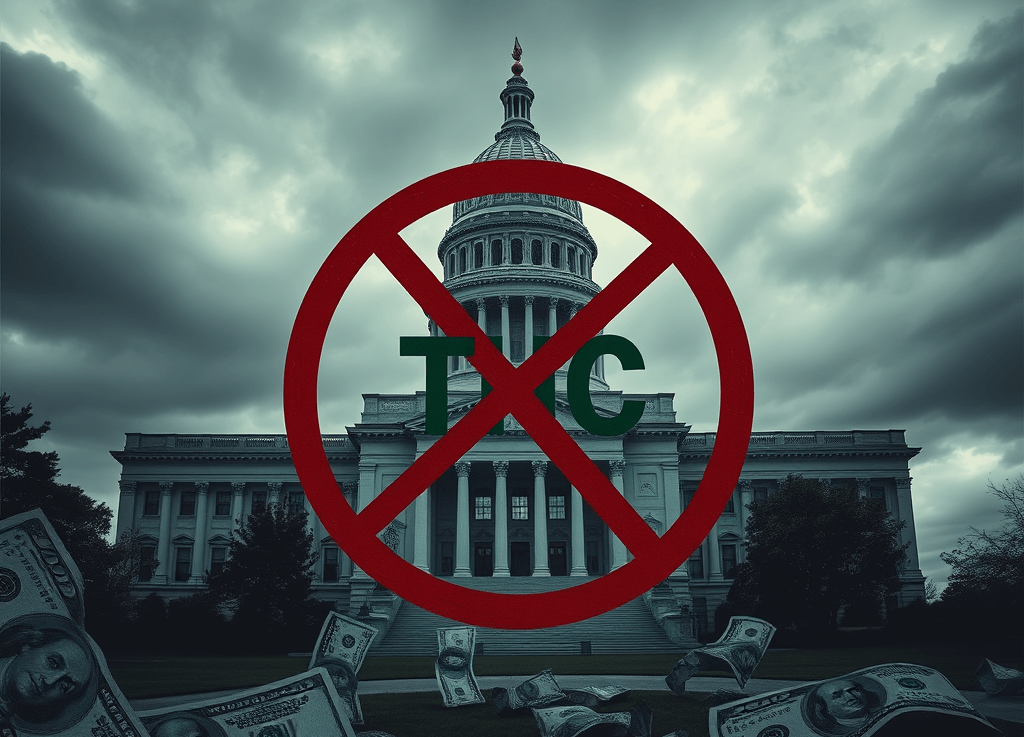
SB3 is Texas’s big “hold my beer” moment in THC regulation. It proposes a total ban on all THC products—including the ones that come from hemp. Yes, even the stuff that was entirely legal under the 2018 Farm Bill. Because nothing says “progress” like running backwards.

Products getting axed:

Any other Delta-9 THC that isn’t under ultra-strict medical exception

Delta-8 THC

Delta-10 THC

All consumable hemp products with synthetic cannabinoids

Passed? You bet. The Texas House and Senate rubber-stamped it, and now it’s just waiting for the governor to sign off with a flourish.

Implementation? September 1, 2025. Mark your calendars, or maybe just mark your stash.

Enforcement: Jail for Gummies, Cheers for CBD

If you’re caught with any of the banned THC products, you could face up to a year in jail. So long, THC gummies and beverages! The only survivors? CBD and CBG—because, apparently, they’re the “good kids” who do their homework and don’t talk back.

Political Circus: Who’s Wagging This Dog?

The bill has all the right (or wrong) friends in high places. Governor Dan Patrick is basically on a crusade to ban THC, with the only exception being the state’s incredibly limited Compassionate Use Program. Because if you’re not suffering enough for a medical exception, you’re just not trying hard enough.

Economic Impact: Why Not Kick Retail When It’s Down?

Texas retail is already circling the drain—sales index at -30.5 (lowest since April 2020) and employment dropping fast.

SB3 is about to obliterate a sector that was actually growing, because who needs jobs or tax revenue, right?

Over 40,000 jobs? Gone. Poof.

$7.5 billion in annual revenue? Say goodbye.

Historical Context: Déjà Vu, Prohibition-Style

Let’s play a game: is this Prohibition or SB3? (Spoiler: It’s both, just with different substances.)

Jobs Lost: Prohibition: 250,000 // SB3: 40,201 (but who’s counting?)

Annual Revenue Loss: Prohibition: $11B // SB3: $7.5B

Enforcement Costs: Prohibition: $4.5B // SB3: $2.8B

You’d think after one round of “let’s outlaw a popular substance and see what happens,” we’d learn. But no—let’s hit copy-paste and hope for a different outcome!

Black Market: The Only Winner Here

Projected to hit $9.2B by 2030 because, shocker, demand doesn’t disappear when you ban stuff.

Illegal trade growth? 35% a year. Welcome to the new Wild West.

Sophisticated trafficking networks will be popping champagne (or whatever traffickers drink).

Law Enforcement: Good Luck With That

Enforcement costs? Up 180% in three years.

Police will be so busy chasing edibles they might miss, you know, actual crime.

And, just like Prohibition, get ready for corruption and enforcement headaches.

But Wait—People Might Actually Die

If the money talk didn’t get your attention, here’s a dose of reality:

Fentanyl Crisis: Hold My THC

5 Texans die daily from fentanyl poisoning. Not dramatic enough? How about a 20% jump in overdose deaths after SB3 hits?

Law enforcement focus will shift so hard, fentanyl dealers will get a free pass.

Black market dealers may start mixing fentanyl with THC products. Because nothing says “public health” like a surprise overdose.

Public Health: The Opposite of What You Want

20% more ER visits from unregulated products.

Less access to safe, tested alternatives.

Addiction treatment centers? Prepare for a flood.

Recommendations (That They’ll Ignore, But Hey, We Tried):

Phase in changes. Don’t nuke the market overnight.

Boost funding for addiction treatment and harm reduction.

Create a dedicated task force for the fentanyl crisis—don’t lump everything together.

Test and monitor black market products (because pretending they don’t exist won’t work).

Final Thoughts: Stupid Shit, Indeed

Texas, you’re about to repeat one of history’s most famous flops. If you’re looking for a case study in how not to legislate, SB3 is your gold star. Want to solve the fentanyl crisis? Want to help law enforcement? Want to support jobs and revenue? SB3 does the opposite.

But hey, when has common sense ever stopped a “good” idea in the Texas legislature?

Stay tuned for more from my upcoming book, Stupid Shit, where we catalog the finest moments in legislative facepalming. Because if we don’t laugh, we’ll cry.

Oh, and Before You Assume I’m Just Trying to Save My Stash…

Let’s clear the air right now: If you think this is some desperate plea to protect my THC gummies, you might want to check your assumptions at the door. Seriously, does this look like a stoner manifesto? If anything, it’s a plea for basic logic and a little historical memory—two things that seem to be in shorter supply than common sense at the Texas Capitol.

This Isn’t About Getting High—It’s About Not Repeating History’s Dumbest Mistakes

Let’s be real: the “Iron Law of Prohibition” isn’t just a catchy phrase—it’s a proven disaster. Every time lawmakers try to ban a substance people want, the market doesn’t disappear. It just gets meaner, riskier, and a hell of a lot deadlier. That’s not stoner paranoia; that’s what happened with alcohol, and it’s exactly what’s happening with fentanyl right now. When you squeeze the supply, you don’t get less demand—you get more potent, more dangerous alternatives flooding the streets.

If You’re Worried About Fentanyl, SB3 Is the Opposite of a Solution

Let’s not kid ourselves: the fentanyl crisis is the worst drug crisis in American history. And what’s fueling it? Not legal, regulated products, but the black market that thrives every time lawmakers try to “crack down” with blanket bans. Just ask the DEA, who are busy seizing record-breaking amounts of fentanyl while the death toll keeps climbing. Or check with Texas Health and Human Services, who are literally begging people to get educated and connected to resources because the crisis is so out of control.

So, No—This Isn’t a Stoner’s Rant

This is a call for evidence-based policy, not knee-jerk reactions. If you think that’s just “stoner logic,” maybe you’re the one who needs to lay off the reefer madness. Because the real madness is repeating the same failed strategies and expecting a different result.

Final Thought: If You’re Still Not Convinced…

Ask yourself: Would a stoner really bother to dig up economic data, historical parallels, and public health projections? Or would they just be chilling, waiting for the next episode of whatever’s trending on Netflix? This isn’t about saving my stash—it’s about saving Texas from another round of legislative stupidity.

So, next time you hear someone say, “It’s just about the weed,” remind them: It’s about not making the same stupid mistakes over and over again.

Sign up for my updates so you will know when to look for my latest book “Stupid Shit”

-Best

The Return of Firing Squad Executions in the U.S.

The Return of Firing Squad Executions in the U.S.


I have been on the fence regarding the Death Penalty since I was a child.
For those of you old enough to remember grade school, when we got back from lunch and there was a projector in the room it was a great day!


Well, that was not the case one day in the third grade—yes, third grade. Most of us were 9 years old, and we didn’t know too much about war. For me, Vietnam was fresh on our minds even though we couldn’t find it on a map; we all knew someone who was involved.


The film that day was The Execution of Private Slovik. In case you never saw the film, the story revolves around a soldier named Private Slovak, who is executed for the crime of cowardice.

The events unfold in a manner that highlights the absurdity and tragedy of war. Vonnegut uses dark humor and irony to convey the senselessness of the military’s decision, questioning the values and morals of those in power.


“The Execution of Private Slovak” serves as a powerful commentary on the nature of war and the moral dilemmas faced by individuals in extreme circumstances. Vonnegut’s unique style and perspective prompt readers to reflect on the consequences of conflict and the human capacity for both cruelty and compassion.


The film adaptation of “The Execution of Private Slovak” is likely aimed at a mature audience, primarily due to its themes of war, morality, and the psychological impact of conflict.
The film’s production was so compelling that I still suffer from PTSD after seeing it in 1974 as a child.
I don’t have to tell you that the ‘teacher’ who sucked at teaching BTW had no business showing that film to nine-year-olds.

That brings me to my reason for this blog post…


Recent Execution by Firing Squad
Today, March 8, 2025, marks a significant event in the realm of capital punishment in the United States, as Brad Sigmon, a 67-year-old inmate, was executed by firing squad in South Carolina. This execution is notable as it is the first firing squad execution in the U.S. in 15 years, with the last one occurring in Utah in 2010.

Brad Sigmon was convicted of a double murder in 2002, where he killed his ex-girlfriend’s parents. He opted for the firing squad as his method of execution, rejecting other options such as electrocution or lethal injection. This choice has sparked discussions about the ethics and humanity of various execution methods, especially given the controversies surrounding lethal injections and their potential for botched procedures.


The execution has drawn significant attention and criticism, with many labeling the firing squad as a “barbaric” method of execution. There have been calls for clemency and debates about the appropriateness of using such methods in modern society. The return of firing squads as a method of execution raises questions about the evolving landscape of capital punishment in the U.S. and the moral implications involved.


Well, I don’t have to tell you that his death has resonated with me.


Unlike many, I feel as if we gain something when a mass murderer doesn’t commit suicide by cop or just plain old taking the coward’s way out and offing themselves.


Learning from the experiences of convicted murderers can help identify patterns that lead to violent behavior. This knowledge can inform community preventive strategies, such as mental health support, conflict resolution programs, and educational initiatives to reduce violence.


I maintain that we have a mental health crisis in this country and most probably around the globe.
As the Trump administration focuses on improving America’s health, mental health should be a key component.

This person chose this method to die as a statement. Why? What was his reasoning to die in such a horrific manner? Will his death dissuade others from committing acts of violence?


What are your thoughts?
Should we have the death penalty?
If we have it how should it be carried out?

As you can see, I enjoy sharing my views on current events. Feel free to share your thoughts in the comments section below.


I am thrilled to share an exciting update with you—my latest book, 1300 Feet per Second, will be released soon! This novel delves into the intricacies of human resilience and the relentless pursuit of one’s dreams, all set against the backdrop of gripping adventure and unforeseen challenges.
Your support has always been invaluable to me, and I am incredibly eager for you to dive into the pages of 1300 Feet per Second. This story will captivate your imagination and resonate with your spirit, much like it did with mine during the writing process.


In addition to this new release, I invite you to explore my current collection of books available on Amazon. Each title carries a piece of my heart and endless hours of dedication, crafted to offer you memorable and enriching literary experiences.


Thank you for being such a passionate and supportive community. I look forward to hearing your thoughts on 1300 Feet per Second and hope you find joy and inspiration in all my works.
Happy reading!


Warm regards,
Scott
Discover more of my books:

If your in to reading short stories for free…Follow the link and read my contest entries on the Reedsy web site in the UK.

The Impact of Drug Use on Autism Rates

The Impact of Drug Use on Autism Rates

I don’t believe Robert F. Kennedy Jr. needs to search extensively for the cause of autism. I have been thinking much about what RFK thinks about vaccines, food and so forth. I think his concern for Autism is spot on.

This article explores the causes of the country’s falling health, Autism and birth rates.

If you have used drugs like marijuana or cocaine at parties, your child’s poor health might be a result of your actions. Read on…

Focusing solely on autism, data from the United States reveals a significant rise in diagnosed cases over the past half-century, increasing from roughly 1 in 2,000 children in the 1970s and 1980s to 1 in 36 children in 2025. This signifies a greater than 50-fold rise in the reported prevalence.

No article on Autism would be complete if we didn’t acknowledge that this rise might be because of shifts in diagnostic methodologies, heightened awareness, and enhanced reporting procedures.

So, which is it?

There is substantial evidence that prenatal drug exposure can cause a wide range of birth defects, developmental issues, and medical conditions that may significantly impair a child’s ability to grow into a fully functioning adult. These effects can be severe and long-lasting, impacting various physical, cognitive, and social development aspects. The research underscores the importance of avoiding drug use during pregnancy to minimize these risks and ensure the best possible outcomes for children.

General Effects of Drug Use During Pregnancy: Most drugs of abuse can easily cross the placenta, affecting fetal brain development and potentially leading to long-lasting implications.

Drug use during pregnancy is associated with an increased risk of birth defects, including structural malformations and behavioral alterations in offspring.

Specific Drugs and Associated Risks:

Opioids: Linked to poor fetal growth, preterm birth, stillbirth, and specific birth defects.

Cocaine: Associated with an increased risk of stillbirth, premature birth, and low birth weight.

Heroin: Linked to reduced fetal growth and low birth weight.

Alcohol: Even small amounts can negatively affect the developing fetus, leading to Fetal Alcohol Spectrum Disorders (FASD).

Long-Term Effects: Prenatal drug exposure can lead to congenital anomalies and long-term developmental issues, potentially affecting the child’s ability to function as an adult.

If that’s not enough to convince an expectant mother to avoid recreational drugs and even something as seemingly harmless as Tylenol, what about the father, or in many cases, the sperm donor?

Recreational drug use can significantly impair both male and female fertility, making it more difficult to conceive:

Male Fertility:

Recreational drug use, including marijuana and other illicit substances, can adversely affect male reproductive health, potentially leading to subfertility and increasing the risk of infertility by up to 70%.

Specific effects on male fertility include:

Alcohol: Can decrease testosterone levels, reduce semen volume, and cause erectile dysfunction.

Marijuana: May lower testosterone levels and negatively affect semen quality, including sperm count and motility.

Cocaine: Can impair erectile function and reduce sperm concentration and motility.

Opioids: Linked to reduced libido, erectile dysfunction, and decreased testosterone levels.

Methamphetamines: Can lead to erectile dysfunction, decreased sexual desire, and cause apoptosis in germ cells, affecting sperm quality.

Female Fertility:

Substance abuse, including marijuana and alcohol, has been linked to negative sexual and reproductive health outcomes in females, including decreased fertility.

Specific effects on female fertility include:

Alcohol: Can disrupt menstrual cycles, leading to ovulatory dysfunction and difficulties conceiving.

Marijuana: May disrupt menstrual cycles and negatively impact assisted reproductive technology outcomes.

Cocaine: Associated with an increased risk of primary tubal infertility.

Opioids: Can lead to menstrual irregularities and amenorrhea, reducing the probability of conception.

Risks During Pregnancy

If conception does occur, recreational drug use during pregnancy poses significant risks to both the mother and the developing fetus:

Miscarriage and Stillbirth: The use of recreational drugs during pregnancy increases the risk of miscarriage and stillbirth.

Birth Defects and Developmental Issues: Many recreational drugs are teratogenic, meaning they can cause birth defects and developmental issues with long-lasting implications for the child.

Premature Birth and Low Birth Weight: Drug use during pregnancy is associated with an increased risk of premature birth and low birth weight, which can lead to further health complications for the newborn.

Neonatal Abstinence Syndrome (NAS): Babies born to mothers who use drugs during pregnancy may experience withdrawal symptoms after birth, known as Neonatal Abstinence Syndrome.

Fetal Growth Restriction: Exposure to drugs in utero can lead to poor fetal growth, resulting in babies being small for their gestational age.

Neurological and Behavioral Consequences: Prenatal exposure to drugs can lead to permanent neurological, developmental, and behavioral issues, manifesting as learning disabilities, attention deficits, and other cognitive impairments.

Long-Term Effects on Child Development

The impact of parental drug use extends beyond pregnancy and can have long-lasting effects on child development:

Physical Health: Children of parents who misuse substances may experience inadequate physical development, including stunted growth due to malnutrition in extreme cases.

Psychological and Emotional Effects: These children are at a higher risk of developing anxiety and depression due to the instability in their home environment.

Cognitive and Academic Challenges: Children of substance-abusing parents may show cognitive deficits that impact their academic performance.

Social and Behavioral Issues: These children may experience neglect and abuse, leading to behavioral problems and difficulties in forming healthy relationships.

Health Problems: Stress-related health problems are prevalent among these children, including conditions such as gastrointestinal disorders, headaches, migraines, or asthma.

Risk of Substance Use: There is a heightened risk that these children will develop substance use disorders themselves.

Expert Opinions

Healthcare organizations and professionals emphasize the risks associated with substance use and having children:

The NSPCC highlights that problematic substance use can lead to chaotic lifestyles that may harm children.

The Perinatal Addictions Prevention Project (PAPP) focuses on educating professionals and consumers about substance use during reproductive years, pregnancy, and postpartum, emphasizing prevention and risk reduction.

The National Institute for Health and Care Excellence (NICE) notes that substance misuse can lead to increased criminal activity, domestic abuse, and significant mental and physical health problems.

What about Paternal drug users? If only the sperm donor uses drugs for whatever reason and the mom to be is ok with him being the father, is that ok?

The survey says… No.

There is strong evidence that paternal drug use can cause DNA damage, chromosomal abnormalities, and epigenetic changes in sperm, which may increase the likelihood of birth defects and developmental issues in offspring. The specific risks depend on the type of drug, the extent and timing of use, and other mitigating factors. While not all paternal drug use results in adverse outcomes, the potential for harm underscores the importance of addressing substance use in prospective fathers to minimize risks to offspring. Further research is needed to fully understand the mechanisms and long-term implications of paternal drug use on child health and development.

Drug use, particularly substances like cocaine, opiates, alcohol, and nicotine, has been shown to cause significant DNA damage in sperm. This damage is often mediated by oxidative stress, which leads to DNA fragmentation and chromosomal abnormalities

For example, cocaine use has been linked to reduced sperm count, motility, and vitality, as well as increased DNA fragmentation. These changes can impair the genetic integrity of sperm and increase the risk of transmitting genetic abnormalities to offspring

Drug use can also induce epigenetic modifications in sperm, such as changes in DNA methylation and histone modifications. These changes do not alter the DNA sequence but can affect gene expression in the offspring, potentially leading to developmental issues or predispositions to certain conditions

Non-coding RNAs, such as microRNAs, are another mechanism through which drug-induced epigenetic changes can be transmitted to offspring, influencing their development and health.

Certain drugs, such as chemotherapy agents and heavy alcohol use, have been associated with chromosomal damage in sperm. This can lead to aneuploidy (abnormal number of chromosomes) or structural chromosomal abnormalities, which are known causes of birth defects and developmental disorders.

Congenital Anomalies:

Paternal drug use has been associated with an increased risk of congenital anomalies, such as heart defects, neural tube defects, and genital malformations. For example, paternal use of metformin has been linked to genital birth defects in male offspring.

Neurodevelopmental Disorders:

Drugs like valproate and cocaine have been linked to neurodevelopmental disorders in offspring, including autism spectrum disorders (ASD), intellectual disabilities, and attention deficit/hyperactivity disorder (ADHD).

Behavioral and Cognitive Issues:

Paternal cocaine use has been shown to increase the risk of learning disabilities, memory loss, and conduct disorders in offspring. These effects are thought to result from drug-induced genetic and epigenetic changes in sperm.

Addiction Vulnerability:

Animal studies suggest that paternal drug use can increase the offspring’s susceptibility to addiction. For example, paternal cocaine use has been linked to changes in genes affecting synaptic connections, which may predispose offspring to substance use disorders.

Cryptorchidism and Other Specific Defects:

Paternal use of certain drugs, such as finasteride, has been associated with cryptorchidism (undescended testicles) in male offspring.

Type of Drug:

Some drugs, such as cocaine, opiates, and alcohol, have stronger evidence linking them to DNA damage and birth defects compared to others, such as certain neurological medications, which show weak or null associations.

Extent of Use:

Chronic and heavy drug use is more likely to cause significant damage to sperm DNA and increase the risk of transmitting genetic abnormalities to offspring.

Timing of Drug Use:

The period of sperm development (approximately 74 days) is critical. Drug use during this time can affect the quality and genetic integrity of sperm.

Mitigating Factors:

Some effects of drug use on sperm may be reversible with cessation of use and lifestyle changes, such as improved diet and antioxidant supplementation, which can reduce oxidative stress and improve sperm quality.

RFK’s community awakening is clearly needed, which is supported by substantial evidence.

Recreational drug use can severely harm a child, impacting everything from conception to development. For optimal reproductive health and child well-being, those planning a family should avoid recreational drugs.

Truly, we are up against addiction. It isn’t just an addiction of recreational chemistry but the chemistry in your brain. If you’re still reading, you are my people; here is more fodder for you.

With drugs, smoking or even sex here is what happens:

1. Activation of the Brain’s Reward System

The brain’s reward system plays a central role in drug-induced highs. This system includes structures such as the ventral tegmental area (VTA), nucleus accumbens (NAc), and the prefrontal cortex.

When drugs are consumed, they trigger an artificial and often intense activation of this reward system, which is responsible for processing pleasurable experiences and reinforcing behaviors.

2. Dopamine Surge

One of the most significant effects of drug use is a surge in dopamine levels:

Dopamine is a key neurotransmitter in the brain’s reward system, associated with pleasure, motivation, and reinforcement.

When drugs are consumed, they often lead to a much larger increase in dopamine levels compared to natural rewards like food or social interactions.

This intense dopamine release creates the sensation of a “high,” which is a powerful motivator for repeated drug use.

3. Neurotransmitter Disruption

Different drugs affect various neurotransmitter systems in the brain:

Stimulants (e.g., cocaine, amphetamines):

Increase dopamine and norepinephrine levels by blocking their reuptake.

This leads to heightened alertness, euphoria, and increased energy.

Depressants (e.g., alcohol, benzodiazepines):

Enhance the effects of GABA, the brain’s primary inhibitory neurotransmitter.

This results in relaxation, reduced anxiety, and sedation.

Hallucinogens (e.g., LSD, psilocybin):

Primarily affect serotonin receptors, altering perception and mood.

This leads to changes in consciousness and potential hallucinations.

4. Altered Brain Activity

Neuroimaging studies have revealed significant changes in brain activity during drug intoxication:

There’s often lower glucose metabolism in the frontal cortex during the use of substances like cocaine, morphine, or alcohol.

The binge/intoxication stage is characterized by heightened activity in the ventral striatum, a key region in reward processing.

5. Short-Term Effects on Cognition and Behavior

Drug-induced highs can lead to immediate changes in cognitive function and behavior:

Altered consciousness, euphoria, and impaired judgment are common short-term effects.

Changes in coordination, mood, and perception can occur, varying based on the type of drug used.

6. Neuroadaptations

Even short-term drug use can begin to induce neuroadaptations in the brain:

The brain may start to adapt to the presence of the drug, leading to tolerance (needing more of the drug to achieve the same effect).

These adaptations can persist, contributing to the risk of addiction and relapse.

7. Activation of Memory and Learning Circuits

During a drug-induced high, the brain’s memory and learning circuits are also activated:

This creates strong associations between the drug use, the environment, and the pleasurable experience.

These associations can trigger intense cravings when exposed to drug-related cues, even after long periods of abstinence.

But what about other things that are addictive, like adrenaline?

The effects on the brain during sex, eating a favorite food like chocolate, or engaging in thrill-seeking behaviors such as speeding while driving are all related to the activation of the brain’s reward system, but with some distinct differences. Let’s explore each activity and its neurological impact:

1. Sexual Activity

Sexual activity has a profound impact on the brain, triggering a complex interplay of neurological processes:

Hormonal Release: During sexual activity, the brain releases a cocktail of hormones and neurotransmitters, including:

Dopamine: Produced by the hypothalamus, contributing to feelings of pleasure and euphoria.

Oxytocin: Often called the “cuddle hormone,” released in large quantities during sex, promoting bonding and relaxation.

Norepinephrine: Contributes to arousal and excitement.

Brain Region Activation: Sexual stimulation and satisfaction increase activity in various brain networks, including:

Prefrontal cortex, Orbitofrontal cortex, Insula, Cingulate gyrus, Cerebellum

These regions are involved in processing emotions, sensations, and decision-making.

Mood and Stress Effects: Sexual activity is associated with improved mood and reduced stress levels due to the release of oxytocin and endorphins, which can lead to a calming effect and pain relief.

Cognitive Benefits: Regular sexual activity may improve cognitive function, particularly in older adults, enhancing memory performance, verbal fluency, and visuospatial ability.

2. Eating Highly Palatable Foods (e.g., Chocolate)

Consuming highly palatable foods like chocolate also activates the brain’s reward system, but through different mechanisms:

Reward System Activation: The mesolimbic dopamine pathway, including the nucleus accumbens, is activated by the sensory properties of chocolate, such as its taste and smell.

Dopamine Release: Eating chocolate leads to the release of dopamine, contributing to feelings of pleasure and satisfaction.

Cognitive Effects: Dark chocolate, rich in flavanols, may have cognitive benefits:

Improved memory and reaction times in young adults.

Enhanced memory performance in older adults with long-term consumption of high-flavanol cocoa.

Mood Enhancement: Chocolate consumption is associated with mood improvement, possibly due to its ability to modulate neurotransmitter systems involved in mood regulation. It can lead to the release of endorphins, promoting feelings of happiness and well-being.

Craving and Reward Processing: Chocolate cues can elicit specific neural responses in regions associated with reward and craving, as shown by fMRI and ERP studies.

3. Thrill-Seeking Behaviors (e.g., Speeding While Driving)

Engaging in thrill-seeking behaviors like speeding activates the brain’s reward system in a unique way:

Dopaminergic System Activation: Thrill-seeking is associated with heightened response to dopamine, which can lead to increased risk-taking behaviors.

Risk and Reward Processing: The nucleus accumbens is activated during thrill-seeking activities, processing the rewards associated with the risky behavior.

Emotional and Cognitive Factors: Thrill-seeking can be influenced by emotional states like stress or anger, which can alter cognitive processing and lead to impaired decision-making.

Adrenaline Release: Speeding can lead to the release of adrenaline, contributing to feelings of exhilaration and excitement.

Prefrontal Cortex Engagement: Thrill-seeking behaviors uniquely engage the prefrontal cortex more extensively due to the need for risk assessment and decision-making.

Comparison and Synthesis

While all three activities activate the brain’s reward system, they do so in different ways:

Sexual activity provides a more holistic activation involving emotional bonding, stress relief, and potential cognitive benefits.

Eating chocolate focuses more on sensory pleasure and potential mood enhancement, with some cognitive benefits from certain types of chocolate.

Speeding engages the reward system through risk and excitement, involving more cognitive processing related to decision-making and risk assessment.

Each activity involves dopamine release, but the context and intensity vary. Sexual activity and chocolate consumption are generally associated with more positive long-term effects, while thrill-seeking behaviors like speeding carry significant risks and potential negative long-term consequences on brain function and overall health.

I added that last part for those who might judge drug users; believe me, we all have our own ingrained addictions. Maybe you are more responsible and understand that drug use will to quote Bruno Mars, ‘funk you up.’

One wonders what the middle ground might be? How does RFK and his team MAHA?

I would encourage him to enlist the services of experts in the field of mental health. Not only do we have an unhealthy diet, but we have a mental health crises that borders on hedonism with half the country acting like spoiled brats.

How do you fix spoiled brats?

Dad’s home; hand over the remote, and go to your room until you can behave yourself.

If only it were that simple.

If it were me, I would enlist the Franklin Grahams of the world. Education, while necessary, can only go so far. Morality seems to be a large part of the problem, and we need to attack these issues on multiple fronts. We need to dig into cultural history and backtrack to see where we went askew of common sense. -Best

Feel Free to share this post, re-blog, etc. This was a lot of work and research on my part.

While there is a fire raging in the kitchen, our attention seems inexplicably fixated on the lint scattered across the living room floor.

While there is a fire raging in the kitchen, our attention seems inexplicably fixated on the lint scattered across the living room floor.

On average, synthetic opioids known as fentanyl claim the lives of 150 people in the US each day.

Why?

Among the myriad of possibilities, this one stands out.

Dentists evoke conflicting emotions within me – love and hate. With a strong British heritage, it’s no surprise that dental problems run in my family.

COVID or the medications I took seemed to have exacerbated my dental condition to its breaking point. Friends, I am fully committed to getting dental implants as I am exhausted from dealing with root canals and similar procedures.

I firmly believe that COVID or the vaccine had an effect on my dental health, as this mess started with the first jab.

Now, there are a few things you don’t want to hear while sitting/laying in the dental chair, like the high-pitched whirring of the drill. One of those things is ‘oops,’ and the other, ‘trust me on this’ “get me the dental mallet.”

That statement hit like a punch to the gut. No amount of numbing shit or gas could ease the pain.

The realization hit me that I was not Superman, as the chair remained intact despite my attempt to test my strength with the jarring pounding of the chisel against my jawbone.

The experience during this part of the process was like a never-ending nightmare, with everything going wrong. I won’t mince words. A chisel and mallet relentlessly pounding on your jawbone is overwhelming.

But that is not the focus of our conversation today. Despite the direct connection between dental care and overall health, it is often overlooked. Regarding dental care, most insurance falls short of providing sufficient coverage.

I suspect that insurance companies use financial incentives to sway lawmakers into excluding dental care from insurance regulations. The procedure cost can be pretty high, and some may see it as an opportunity to indulge in the peculiar pleasure of having needles pricked in their mouths and relishing the sound of the dreaded drill. Pffft.

Silly me, after the procedure, I was expecting a written prescription for pain meds. When a chisel is used on your jawbone, you can anticipate excruciating pain once the numbing wears off.

Clearly and definitively, she rejected my proposal for pain meds. Wrong again. The nurse looked at me and said, “I assure you; you won’t need pain medicine.”

“Excuse me?” I say as bloody spit drools from my chin.

“Yeah, you just take a Tylenol, and then a few hours later, the throbbing in your head subsides as you swallow an Advil.” Maybe for a filling, but…give me a break.

I couldn’t believe it, but I purchased a property in Yuma that overlooks the ocean.

Without a doubt, I can confidently declare that it is pure nonsense!

My inner devil with a foul tongue emerges when specific triggers come into play.

The check is definitely not in the mail, and the alternating over-the-counter method might be effective for some things. However, when it comes to using the dental hammer and chisel, it’s just not practical.

With only three hours of sleep in the past four days, my patience has worn thin, and I’m not a delight to be around.

Unable to sleep or eat, I’ve had ample time to reflect on things. Among the things that stand out is the alarming number of overdose victims.

Now, I know this is a long shot, but could it be that due to restrictive laws on prescribing pain medications, doctors, dentists, and other medical professionals are inadvertently driving patients to seek relief through illicit means? Could it be that we are pushing ordinary everyday folks into the arms of the cartels?

It may sound crazy, but I must confess that pain can push someone to do unimaginable things. Pain will drive you to seek a remedy, whether it be a doctor, dentist, the ER, or even some guy on the street.

Pain is a unique experience that varies from person to person. If that guy brings out a dental hammer and chisel, you’ll need more than just over-the-counter remedies. I’m just putting it out there.

Some positive outcomes have emerged from this situation.

Lost a few pounds

Reflecting on the situation, I couldn’t shake off from realizing how foolish our lawmakers genuinely are.

I had plenty of time to count my pulse as the throbbing sensation was intense and persistent.

It dawned on me that cable news is far from delivering actual news; it’s all just a bunch of rubbish controlled by those who purchase air time, such as big pharma. What would the world look like if Walter Cronkite was still giving us the news as it was and not as our dictators want us to believe? Do you think  Walter would have said, ‘Take the vaccine?’

The content on TV is so absurd, and the definition of entertainment is mind-boggling.

I would use the downtime to let my creativity flow through writing. Still, it becomes challenging when every other thought is tainted with explicit language.

Soon enough, the throbbing will fade away, freeing my characters from their hiding places and allowing me to embrace my usual kinder self again.

If I were you and were shopping for teeth in a day or something extreme, I would make damned sure that real pain meds came with the procedure. Don’t assume like I did. That was a fucking mistake!

-Best

It’s an age thing. #health #doctor

It’s an age thing. #health #doctor

It’s an age thing.

sex-love-life-blogs-smitten-0607_dating_doctors_office_sm.jpg

Walking into the doctor’s office, the music blaring through the “system” was very upbeat.  In fact listening to it made me jittery.

By nature, I am a calm and collected person.  Easy going is an understatement.

Each and every song that played had some repetitive rap component mixed in with the  “music.”

Waiting in a doctor’s lounge is tough enough in that they are never on time.  Arriving there in a timely fashion is part of the deal and waiting for an extra 30 to 45 minutes after your appointment is also “part of the deal.”  Their time is valuable and yours, well…not so much!

The waiting is not what was bothering me however as I had my “smart phone” to entertain me.  At issue, however, was this hideous music that was getting under my skin much like poison ivy or a horrible sunburn, you can tolerate it for just so long and then it just pisses you off!

download.jpg

The lyrics were not understandable and as I said the beat was such that it by itself was making me jittery.

I found myself thinking that I might need to find another doctor.  If this is the new norm, screw it!

One already feels bad going to the doctor, forced to endure that bullshit, I don’t need!

Leaving on the drive home, thinking back to my parents yelling at me to shut my door or turn that “shit” down; I had to laugh.  It could be that it is simply an age thing, and now what folks listen to today is “shit” to me.

2004 Viewtech XM, Cam 016.jpg

Turning on the XM to 70’s music, I calmed, returning my  blood pressure to where it belonged.

8014dcc26f8589994750a1a884dc2487.jpg

People today suffer from high blood pressure and one has to wonder how much of it is caused by the music that they listen to.

high-blood-pressure-s1a-what-is-high-blood-pressure.jpg

My Two Cents

forum_2f455681_two_cents_small

-Best

(c) All Rights Reserved 2016


Gesundheit

Gesundheit

Gesundheit

pollenrelease
Yep, that tree is sending out its pollen…

This time of year, watering eyes, plugged up noses can be the start of something much worse if not taken care of properly.

Checking your pollen counts for your area when this happens is critical to know what it is that is effecting you.


“Why?” You Asked.

Avoidance things that you are allergic to, is your first line of defense from becoming ill.

746941main_pollenprairiehollyhock_full (1)
Is it any wonder why this thing bothers your sinuses? 

Juniper is one of the triggers that affect many.  The pollen from this plant causes the sinuses to become inflamed or agitated which in turn causes them to react, in this case, create mucus in order to wash away the offending irritant.

inflamed-sinus-infection.jpg

The sinus tissues becomes inflamed and swells, thus trapping that mucus allowing bacteria to find a nice moist place to grow and thrive.  Once of course you have bacteria take hold, you now have a sinus infection.

sinus-1.jpg

The more disconcerting problem with this is; “why the hell do people plant this plant?” Yes, the plant has a pleasant appearance and stays green all year round.

Juniper_berries_2595104k
Oh, look how pretty….NOT!

From late September to April this thing sends pollen out onto the winds which affect many.

Pollenchart766.x326 (1).jpg


Older folks or people who already have respiratory concerns can become ill with these triggers which could actually lead to pneumonia and death.

“You can’t fix stupidity.”

Juniper plants grow all over the US so avoiding them may be a tough call.  There are parts of the country with higher levels of pollen than others however.  Living near the ocean where onshore breezes from the salt air is probably why so many live so long in Florida.  Respiratory illness is one of the leading causes of death.Juniperus


If you have ever looked up at the moon and seen this…that is pollen causing it and you can bet it is Juniper…

CXBetfkWwAQxAQz.jpg
Pollen halo


Manage the symptoms.

Talk with your Pulmonologist about your condition.

If you have not already done so, speak with an allergist and see if you are a candidate for immunotherapy.

When you start to sneeze, that is the time to get serious about your regimen to stay healthy.

Prophylactically attack the problem head on with everything in your arsenal from Nasal irrigation to anti histamines.     Nose sprays with steroids in them are also a good idea.  Keeping the swelling of the sinus tissues at bay will allow the mucus to actually wash the surface of the tissue and be expelled as they was designed to do.

While Allegra and Benadryl are over the counter, these too should be part of your arsenal if your doctor agrees with this.

What you take must be ok with your doctor, as your other meds may interact with it; or your particular health may not afford you the luxury of taking things such as this.

The idea is to avoid that which triggers your allergies.

Manage the symptoms

Go see your doctor before it gets too bad.  Once it turns into an infection, a course of anti-biotics may be needed which we use way too liberally in this country.  Bacteria will become resistant to them and then stronger and stronger antibiotics will be needed.  These not only kill the offending bacteria but, the good bacteria that lives in us all.

16598492368_a99895c31e_z.jpg
Once these take hold…you may need the big guns to get rid of them.

Like brushing your teeth is a daily regime; I would take your sinus health just as seriously.  If you decide to do some landscaping around your house, I would not plant cedar juniper plants just because these things are vile when it comes to health.

cedar-installation-squamish.jpeg
Find something else….

-Best