Tag: writing-tips

Master Grammarly and ProWritingAid for Flawless Writing

Master Grammarly and ProWritingAid for Flawless Writing

Using Grammarly and ProWritingAid Without Losing Your Mind (Or Your Shit)

Look, we all want to write like some literary genius, but the truth is, most of us end up staring at our screens, screaming internally (or out loud) when that squiggly red line shows up for the tenth damn time. And yet, even with every so-called “miracle tool” at our fingertips, plenty of writers still manage to churn out writing that’s about as polished as sandpaper.

Let’s be real: you can slap Grammarly or ProWritingAid on your Word doc, but if you’re not paying attention, you might still end up with a sentence that makes your high school English teacher weep. Or laugh. Or both.

So why bother with these tools? Because, honestly, they’re the next best thing to having a grammar-obsessed friend reading over your shoulder, minus the heavy sighs and passive-aggressive comments.

Why Even Use These Bloody Tools?

Grammarly and ProWritingAid are like having two very judgmental robots follow you around, pointing out every embarrassing typo, awkward sentence, and the fact that you’ve used “very” eight times in two paragraphs.

They’re here to:

Catch all those dumb little mistakes you swear you didn’t make.

Clean up your sentences so they don’t sound like you just woke up from a nap.

Suggest fancier words, because apparently “good” isn’t good enough.

Keep your tone and style consistent, so you don’t accidentally sound like you’re writing a breakup letter to your boss.

Grammarly is all about real-time nagging and telling you when you sound like an asshole.

ProWritingAid? It’s the tool you call in when you want a detailed report that’ll make you question your life choices and every sentence you’ve ever written.

Getting These Tools Into Word Without Pulling Your Hair Out

Grammarly in Word:

Download the add-in from Grammarly’s site. Easy enough, right?

Install it. If you see a shiny new Grammarly tab, congrats—you didn’t screw it up.

Log in. If you forget your password, welcome to the club.

ProWritingAid in Word:

Grab the add-in from their website.

Install and activate it. Yes, you might have to click through some annoying popups.

Log in and prepare to be judged.

Both work on modern versions of Word on both Windows and Mac, so unless your computer is actually powered by a hamster wheel, you should be fine.

Pro Tips: Not Just for People Who Like Pro Tips

Grammarly Hacks:

Turn it on before you start writing. Let it nag you in real time and maybe you’ll make fewer mistakes. Maybe.

Click the underlines for explanations. Sometimes they’re helpful, sometimes you’ll want to scream.

The side panel is where the real action is: grammar, clarity, engagement, delivery—basically, everything you’ve ever done wrong.

Hit that “Goals” button. No one else will, but you should. Set your intent, audience, and all that jazz so Grammarly can judge you more accurately.

Premium lets you check for plagiarism. So if you’re “borrowing” ideas, you might want to see how original you actually are.

If the constant suggestions make you want to throw your laptop, just turn off the damn underlines and review at the end.

ProWritingAid Tricks:

Run full reports. It’s like getting a 10-page essay on why your writing sucks. But hey, it’s thorough.

Use the summary for a quick “here’s what you did wrong” overview.

You can tweak what it checks for. If you’re writing a sci-fi novel, maybe turn off the business jargon checker.

Highlight a word and dive into the thesaurus or word explorer. Because sometimes “nice” just doesn’t cut it.

Want an all-in-one roast? Use the Combo feature and watch your ego deflate in real time.

Only want to check a paragraph? Highlight it, and spare yourself the pain of a full-document critique.

Don’t Be a Robot: Best Practices

Don’t just click “accept” on every suggestion like a zombie. These tools are smart, but they’re not perfect. Sometimes they try to “fix” things that were actually fine.

Take a minute to read the feedback. You might accidentally learn something.

If you really want to cover your ass, run your work through both tools. They’ll catch different stuff, so you can feel extra paranoid.

In Conclusion—Because Apparently You Need One

Grammarly and ProWritingAid are lifesavers, especially if you’re tired of embarrassing yourself in emails and reports. They’re not going to turn you into Shakespeare overnight, but they will save you from some truly cringe-worthy mistakes. Install them, play around, and try not to take their criticism too personally. Your writing will get better, and maybe—just maybe—you’ll stop screaming at your keyboard.

As an added bonus, let me tell you about the comma…

My Love-Hate Relationship With the Stupid Comma

Honestly, one of the most mind-boggling, rage-inducing parts of writing is that damned comma. I swear, I’ve spent more time wondering where to stick the little fuckers than actually writing. And let’s not pretend those fancy tools we talked about earlier are any better—they like to throw commas around as if they’re confetti at a parade. Sometimes it’s helpful, sometimes I wonder if the AI is just screwing with me for fun.

So, here’s the deal. Let me save you some pain and tell you what I’ve actually figured out about commas, despite their best efforts to stay mysterious.

The No-Bullshit Guide to Commas

Let’s make commas a little less terrifying and a lot less random. Here’s what you need to keep in mind:

1. Slap a comma before those little joining words in a compound sentence.

If you’re stringing together two complete thoughts with words like and, but, or, nor, for, so, or yet, throw a comma in before the conjunction.

Example:

I wanted pizza, but I only had ramen. (Honestly, isn’t that just the story of my life?)

2. Use commas in a list, because chaos isn’t cute.

Got three or more things? Separate them with commas. The Oxford comma (the one before “and”) is optional, but seriously, sometimes it saves lives.

She packed sandwiches, chips, soda, and cookies.

(“Let’s eat, Grandma” vs. “Let’s eat Grandma.” Commas: keeping your relatives alive since forever.)

3. Intro? Comma. Always.

If your sentence starts with some kind of intro—like a phrase, word, or clause—give it a comma.

After a long day, I just want to nap.

However, I have work to do.

(Relatable, right?)

4. Extra info? Wrap it in commas like a burrito.

If you’re tossing in some bonus info that isn’t totally necessary, put commas around it.

My neighbor, who always wears pajamas, just mowed the lawn.

But if you actually need that info to make sense of the sentence, skip the commas.

The guy who always wears pajamas just mowed the lawn.

5. If your adjectives are fighting for attention, separate them.

If you can stick “and” between your adjectives and it still sounds right, use a comma.

It was a long, exhausting day.

But don’t overdo it.

He wore a bright yellow shirt. (No comma, because “bright yellow” works together.)

6. Talking to someone? Comma their name.

Direct address means you set off the person’s name with a comma, otherwise you might end up accidentally inviting Tom to be dinner, not to dinner.

Let’s eat, Tom.

Tom, let’s eat.

7. Commas love dates, addresses, titles, and big-ass numbers.

On April 1, 2024, we saw a clown.

She lives at 123 Fake Street, Springfield, Illinois.

My friend Jamie Smith, MD, is here.

The prize was $10,000.

(If only that last one was my life.)

8. Sometimes, commas are just there so shit doesn’t get weird.

If your sentence could be misunderstood, a comma might save the day.

To err, is human. (But let’s be honest, to really mess things up, you need a computer.)

Bonus Round: Don’t Overdo It

Don’t go all Jackson Pollock with your commas. Only use them when you actually need to. Too many commas make your writing look like it’s had one too many drinks.

Quick Recap:

Commas keep your writing from turning into a dumpster fire. They separate ideas, make things clearer, and help your sentences not run together like a bad hangover. If you’re not sure if you need one, read your sentence out loud. If you pause (or if it just sounds weird without it), a comma’s probably your friend.

If you still hate commas after all this, trust me, you’re not alone.

Now go forth and write. Or at least, go forth and make fewer mistakes.

If you found any part of this useful, give us a follow. This shit doesn’t write itself.

If you’re a writer, there are three things you should basically always be doing: writing, editing, or marketing. That’s it. There’s no secret fourth thing, no magical shortcut, and definitely no “just scrolling through Twitter for inspiration” (nice try, though).

So, what am I doing here with this blog post? Well, this counts as marketing. And honestly, I’m also just being a really nice person by sharing it with you. You’re welcome.

  • #WritingLife
  • #WriterProblems
  • #CommaDrama
  • #EditingStruggles
  • #WritersOfYou
  • #GrammarHumor
  • #WritingCommunity
  • #AmWriting
  • #WordNerd
  • #MarketingForWriters
  • #SarcasticWriter
  • #BloggingWriters
  • #WritingTips
  • #ProWritingAid
  • #GrammarlyFail
  • #IndieAuthorLife
  • #WritersJourney
  • #WriteEditRepeat
“How to Create Characters That Don’t Suck (and Maybe Even Kick Ass)”

“How to Create Characters That Don’t Suck (and Maybe Even Kick Ass)”

How to Build Characters : A Guide for Writers

So, while slogging through some stories (bless their hearts), it hit me that some folks could really use a crash course in character development. Because, let’s face it, reading about flat, lifeless characters is about as fun as watching paint dry on a rainy day. Great stories are built on great characters, so let’s talk about how to make them memorable, relatable, and, you know, not garbage.

Here’s the rundown:

1. Give Them a Damn Good Reason to Exist (aka Motivation)

Every character worth their salt wants something—something big, something juicy. It doesn’t matter if it’s love, revenge, a fat stack of cash, or just not dying a horrible death. Ask yourself: What’s their deal? What are they willing to burn down (figuratively, or literally) to get it? Take Harry Potter, for instance; he’s on a mission to take down Voldemort because, well, Voldemort killed his parents, and that’s kind of a dick move. See? Motivation. Clear as day.

2. Nobody Likes a Perfect

Perfect people don’t exist. (Except maybe Beyoncé, but even she probably has something.) If your character’s flawless, they’re boring. Like, “I ‘m-skipping-to-the-next-book” boring. Give them a mix of good and bad traits. Maybe your hero is brave as hell, but can’t keep their mouth shut when they should. Or maybe your villain is a manipulative jerk but secretly cries when they see stray puppies. People are messy; make your characters messy, too.

3. Growth Is Cool, but Stubbornness Is Also Fun

Look, people change or they don’t. Either way, it’s entertaining. Great stories often show characters evolving because of all the crap they go through. But hey, if your character is the kind of person who doubles down on their bad decisions instead of learning from them, that’s cool too. We all know someone like that in real life. (And we probably talk about them behind their back.)

4. Choices, Choices, Choices

Want your characters to feel real? Make them do stuff. Let them screw up, make bold moves, or accidentally burn down a metaphorical (or literal) bridge. Their decisions should have consequences, good ones, bad ones, or “holy-shit-did-they-really do that” ones. Actions reveal who your characters truly are. Plus, it keeps your plot from dying a slow, uneventful death.

5. Backstory: Sprinkle, Don’t Dump

A character’s past is like salt in a recipe, use just enough to enhance the flavor, but don’t go dumping the whole shaker in. Nobody wants to sit through five pages about your character’s traumatic childhood unless it actually affects how they act right now. Give us little breadcrumbs. Let us connect the dots. You’re not writing a therapy session, you’re writing a story.

6. Make Them Sound Like Actual Humans

Here’s a hot tip: not everyone talks like you. Shocking, I know. Give each character their own voice and quirks. Maybe one swears like a sailor, another spouts motivational quotes like they’re auditioning for a TED Talk, and another mumbles so much you’re not even sure what they’re saying half the time. Different speech patterns, body language, and habits make your characters stand out, and keep them from blending into one big, boring blob.

7. Make the Stakes Hit Home

If your character doesn’t care about what’s happening, why the hell should the reader? The stakes need to matter on a personal level. Sure, saving the world is great and all, but what if your protagonist is only doing it because their kid’s life is on the line? Or because their ex is leading the apocalypse and they want to prove they’re better at literally everything? Make it personal. Make it hurt.

8. Let Them Do Weird Shit Every Now and Then

Some of the best moments in stories come when a character does something you didn’t expect—but it still makes sense for who they are. Maybe your buttoned-up accountant suddenly punches someone in the face because they’ve finally had enough. Or your villain has a weirdly tender moment with their pet tarantula. Let your characters surprise you. Let them be unpredictable, but not completely out of character. There’s a fine line between “unexpected” and “WTF just happened.”

Final Words of Wisdom

At the end of the day, characters are the heart of your story. If you know them inside and out, their dreams, fears, secrets, and what kind of pizza they’d order at 3 a.m.—they’ll practically write the story for you. (Okay, not really, but you get the idea.) Keep them real, messy, and interesting, and your readers will stick around for the ride.

Now go forth and create some badass characters. Or don’t. But if you don’t, don’t blame me when your readers start yawning three chapters in.

In case you’re wondering… The Big Beautiful Book of Stupid Shit is still coming. I have to focus on editing, and I hate editing.

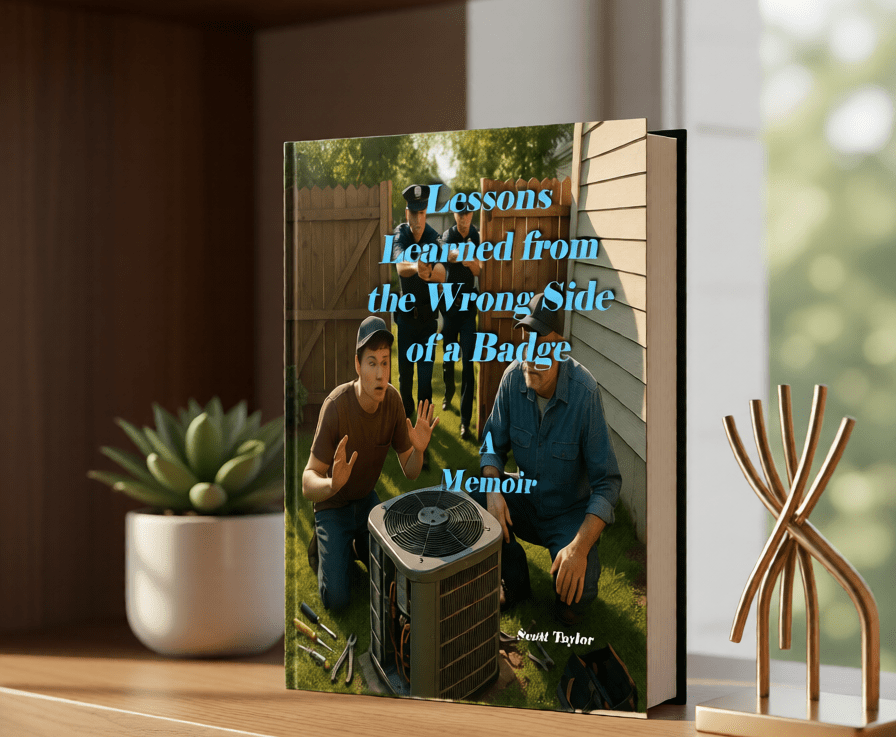
I did publish a memoir called “Lessons I learned at the wrong side of a badge. Yes, I had guns pointed at me and every mean, ugly, nasty thing you could imagine. After you read it, come back here, or there where you purchase it and tell me your thoughts.

BTW, it’s cheap and almost free if you’re on KDP.

#CharacterDevelopment #CreativeWritingTips #WritingCharacters #StorytellingTips #HowToWriteCharacters #FictionWriting #WritingAdvice #CreateRelatableCharacters #WritingHelp #BuildBetterCharacters

Mastering Hooks: Capture Readers in 3 Seconds

Mastering Hooks: Capture Readers in 3 Seconds

Struggling with the business side of writing? You’re not alone. Here’s a candid look at turning pages into paychecks—join the conversation.

Capturing and Maintaining Reader Attention in the Age of Overload

In a world where your readers’ phones buzz every few seconds, attention is the rarest resource. Great ideas aren’t enough. To connect, you need to cut through noise, spark curiosity fast, and keep delivering value line by line. This post breaks down why attention is harder to earn today—and practical ways to win and keep it.

Information Overload: The New Reality

Did I just interrupt your doomscrolling? Good—that’s part of the problem I’m writing against. I’m wading through the same flood you are: more to read, watch, and hear than any one person can hold. New posts, newsletters, videos, and podcasts never stop. Even careful, polished work gets buried under the pile.

Why Your Hook Only Gets 3 Seconds (and Why You Should Panic a Little)

Okay, writers, let’s be real for a second: your hook has the lifespan of junk mail. You know what I’m talking about—that envelope that lands in your hands, gets a three-second glance, and then, unless it screams “Open me!”, takes a one-way trip to the trash (or, as my mom used to call it, the “circular filing cabinet”). Your readers are doing the exact same thing with your title, subtitle, and opening line. If you don’t grab them immediately, well… let’s just say your hard work is headed for the digital equivalent of the recycling bin.

Your job? Be that one letter worth opening. You know the one—the one that makes you pause, unfold it, and actually read the thing. Let’s talk about how to make your writing that irresistible.

What Makes a Winning Hook?

A good hook isn’t just about sounding clever—it’s about making readers stop their scrolling, squint at your words, and think, “Wait, this is for me!” Here’s what your hook should do:

Signal relevance fast: “This is for YOU.” Not some vague “writer” or “reader”—you.

Make a clear promise: “Here’s what you’ll get if you keep reading.”

Stir curiosity: “You don’t know this yet, but you’re about to find out.”

Be specific: Use names, numbers, or real-world examples.

Set stakes: Show them what’s in it for them—time saved, pain avoided, or success achieved.

Sound human: No fluff, no jargon, no robotic nonsense.

Writing is Junk Mail (Bear With Me…)

Your title = The envelope sender: If you don’t seem trustworthy, intriguing, or relevant, trash.

Your subtitle/preview = The teaser on the envelope: What’s inside? Spell out the benefit in one clean sentence.

Your opening line = The first sentence of the letter: Hit them with tension, a question, or a surprise.

Subheads and bold lines = The P.S. on the letter: Reinforce your promise with quick, scannable takeaways.

If any of these pieces are vague, boring, or confusing, guess what? Your reader “files” you—and not in a good way.

The 3-Second Test

Before you publish, ask yourself three questions. Score each from 1–5:

Clarity: Can a stranger tell who this is for and what they’ll get?

Curiosity: Is there an unresolved question, tension, or surprise?

Credibility: Are there specifics (names, numbers, situations) to back this up?

If any score less than a 3, it’s time to rewrite. Sorry, but you owe it to your readers—and your ego.

Hook Formulas That Actually Work

Let’s get practical. These formulas are like cheat codes for writing irresistible hooks:

Problem + Time Frame + Outcome

Example: “Spend 10 minutes today and cut your email replies in half this week.”

Surprising Stat + So What

Example: “Half your readers leave by paragraph two—here’s how to keep the rest.”

Confession + Pivot

Example: “I lost my first 1,000 subscribers—here’s what I did differently on #1,001.”

Question + Consequence

Example: “What if your opening line is costing you 80% of your readers?”

Contrarian Angle + Benefit

Example: “Stop outlining—story your scenes instead.”

Tiny Promise + Clear Benefit

Example: “One sentence that makes every paragraph pull its weight.”

Specific Who + Outcome

Example: “Freelance writers: the 7-word reply that doubles approvals.”

Before-and-After Examples (Because We’ve All Been There)

Weak: “Let’s talk about writing hooks.”

Strong: “Your first line decides if your work gets read—or trashed in three seconds.”

Weak: “Here are marketing tips.”

Strong: “A non-gross way to sell your book in 15 minutes a day.”

Weak: “My editing process.”

Strong: “How I cut 27% of fluff—and gained 40% more readers.”

Weak (Fiction): “A woman faces a challenge.”

Strong: “She was supposed to be dead by dawn—and had a meeting at nine.”

Weak (Memoir/Essay): “Work overwhelmed me.”

Strong: “I didn’t quit my job—I misplaced it under 97 unread emails.”

A Quick Workflow to Nail Your Hook

Write 10 versions of your hook. Yes, 10. Just do it.

Underline your nouns and verbs. If they’re vague, swap them for concrete ones.

Add stakes: time, money, emotion, or risk.

Pick a tension device: question, contrast, surprise, or confession.

Read it out loud. Can you grasp it in one breath?

Do the phone test: glance at your hook for three seconds. If it doesn’t grab you instantly, rewrite.

Pitfalls to Avoid

Clever but unclear: If no one understands your wordplay, it doesn’t matter.

Throat-clearing: “In today’s world…” Stop. Just start where the energy is.

Overpromising: Big claims with zero specifics = instant distrust.

Passive voice and hedges: “might,” “could possibly,” “somewhat.” Nope. Be bold and direct.

Your Hook is Your Envelope

At the end of the day, your hook is the envelope that keeps your work from being trashed. Make it unmistakably for your reader, promise a real payoff, and make that promise impossible to ignore. Because, let’s be honest, we’re all one bad hook away from the literary recycling bin—and nobody wants to end up there.

Now, go write a hook that makes me stop scrolling. I dare you.

And while your at it, like, follow, share and help a fellow author out.

Thanks!

If the interests is there I will post more articles like this to assist you in your career of turning your paperback into a paycheck.

Best

Author Scott

Are Premium Writing Tools Worth the Investment?

Are Premium Writing Tools Worth the Investment?


Writers with a lifelong passion for the written word and the craft of storytelling often recognize the importance of using the right tools to bring their ideas to life. For those who have explored genres ranging from psychological thrillers with dark, erotic edges to humorous works like my work in progress, “The Big Beautiful Book of Stupid Shit,” every project demands a unique approach. Expensive writing tools—designed to refine grammar, enhance prose, and assist with plot development—are becoming an integral part of the writing process. But are they worth the investment for seasoned writers? Let’s explore.
Why Consider Premium Writing Tools?
Writers who are equally fascinated by both the arts and technology often look for ways to combine these passions to improve their craft. Writing tools have evolved far beyond basic spell checkers and are now sophisticated programs capable of analyzing tone, identifying plot holes, and suggesting improvements to elevate any piece of writing.
For authors who work on a wide range of projects—whether humorous critiques, science fiction adventures, or dark psychological thrillers—these tools serve as a valuable second pair of eyes. They ensure that stories remain polished, engaging, and free of errors.
How Writing Tools Can Help (and Where They Shine)
Expensive writing tools offer several features that make them worth the investment. Here’s how they can enhance different aspects of writing:
Grammar and Clarity
Even the most experienced writers can miss grammatical errors, unclear sentences, or awkward phrasing. Tools like Grammarly Premium or ProWritingAid go beyond simple corrections by analyzing sentence structure, suggesting concise alternatives, and highlighting overused phrases. For example, in a psychological thriller, where every word must carry weight, having a tool that ensures clarity is invaluable.
Style and Tone Analysis
Capturing the right tone is crucial in writing. Tools like Hemingway Editor make sure that the writing is accessible and punchy, pointing out overly complex sentences and passive voice. AI-driven tools like Sudowrite take this further by suggesting stylistic changes to match the intended tone, whether it’s sharp wit, emotional vulnerability, or urgent tension.
Plot Development and Story Structure
Writing intricate narratives, such as science fiction or thrillers, often comes with the challenge of spotting plot holes or inconsistencies. Tools like Campfire Pro or Plottr allow writers to map out their stories, track character arcs, and identify gaps in the plot. These tools are particularly helpful when dealing with multi-layered storylines or weaving together multiple timelines.
Research Assistance
Writers with backgrounds in history, literature, or even technical fields like physics understand the importance of research in crafting believable worlds. Tools like Scrivener allow them to organize research alongside their writing, making it easy to reference important details without disrupting their workflow.
Collaborative Feedback
Writing is often a solitary craft, but feedback is essential to growth. Tools like Fictionary provide AI-driven developmental editing, helping assess pacing, tension, and character development. For writers who explore varied genres, having a tool that serves as a digital writing coach can make a significant difference.
Do Writers Really Need Expensive Tools?
For writers serious about honing their craft, premium tools can be a game-changer. These tools aren’t substitutes for creativity or hard work—they’re enhancers. The most compelling stories come from within, but even the best storytellers benefit from tools that refine their work and help their ideas shine.
For instance, while crafting a humorous book like Stupid Shit, tools can ensure comedic timing lands effectively and critiques of absurdity remain sharp. In a psychological thriller, these tools can help ensure tension builds naturally and characters’ motivations stay consistent throughout the narrative.
Balancing Technology with Creativity
Technology is only as effective as the person using it. Writing software cannot replace a writer’s unique voice, perspective, or creative spark. It’s easy to become overly reliant on AI-driven tools, but the heart of any story always comes from the writer.
These tools function more like sophisticated assistants—they highlight technical flaws, streamline the process, and organize ideas, but the artistry remains in the hands of the writer.
Are Expensive Writing Tools Worth It?
For writers passionate about storytelling and willing to embrace technology, investing in premium tools is a wise decision. These tools streamline the writing process, refine ideas, and ensure that every word on the page serves its purpose. Whether crafting an intricate psychological thriller or a humorous critique of human absurdity, writing tools help writers reach new creative heights.
The best advice for writers considering these tools? Start small, experiment, and choose the ones that align with your goals. Remember, writing tools are there to support the craft—not replace it.
Embrace the technology, refine your craft, and keep writing. At the end of the day, the world needs great stories—flaws and all.
What are your thoughts on premium writing tools? Have you used any of the ones mentioned here? Let us know in the comments!

What would you surrender for a story that won’t stop knocking?

What would you surrender for a story that won’t stop knocking?

I surrendered the glow. The soft, blue hum that filled the room after dinner. I set the remote down the way some people set aside sugar for Lent—deliberately, almost ceremonially—like I was laying a coin on a ferryman’s palm. The one-eyed monster blinked into its own reflection, and the living room exhaled. No laugh track. No canned cliffhanger. Only the fridge whispering, the clock ticking, the house going quiet enough for another world to speak.

That was the night my AR clicked on.

Not augmented reality. Author Reality. The dimension that lives behind every closed door and blinking cursor. It doesn’t need a headset, and it doesn’t apologize for being demanding. It’s the world that asks you to show up with the same seriousness you bring to your job, your family, your grief, your joy. It rewards the faithful, and it keeps its secrets from the curious who wander in for a minute and wander back out.

Is it worth it? Depends on what you want from a story: to be carried, or to build the boat.

Here’s the rhythm I’ve learned, the three-beat cadence of making a book: if I’m not writing, I’m editing. If I’m not editing, I’m sharing—sending flares from my lighthouse so readers can find the shore I’ve drawn by hand. The work doesn’t pause when inspiration does. The tide moves with or without me, and the only way to get anywhere is to put an oar in the water every day, even when the fog is thick.

In AR, everything means more than it looks. A mug of coffee stops being a mug. Steam rolls out like sea fog over the harbor city I sketched in a January notebook—the one with crooked alleys and market bells and a lighthouse whose stair treads know my footsteps by now. The keyboard isn’t plastic and wires; it’s a compass that points toward scenes I haven’t met and scenes I’m avoiding. The cursor blinks like a beacon: here, here, here. Come back to work.

Characters are the first to step through. They don’t knock; they appear mid-argument, mid-laugh, mid-betrayal, dragging weather from their world into mine. A woman with ink-stained fingers and a secret she thinks is hers to keep sits across a table I’ve never owned, tapping out a rhythm that nags me until I write it. A courier with a map stitched into his jacket refuses to sleep until I let him miss his train. They bring me their trouble and their hope and ask me to be brave enough to tell the truth about both.

Writing is the first excavation. It’s the rush of discovering a bone in the sand and imagining the whole animal in a heartbeat. Then comes editing—the archaeology that happens with a brush instead of a shovel. Line by line, brush, brush, brush. I dig out the clean edges of the story from the clay of my habits. I cut the clever lines that don’t serve the skeleton. I sand away the splinters of scenes that snag but don’t support.

Editing is humbling. It asks: if you were a reader with a train to catch and twenty minutes to spare, would you keep turning pages? It makes you honest. It makes you protective of the reader’s time like it’s your own. It teaches you that your favorite sentence is sometimes the one that has to go.

Then there’s the sharing. I used to call it marketing and feel like I’d swapped my compass for a billboard, but that was before I understood it as lighthouse work. A story without a reader is a ship locked in the bottle: complete, exquisite, invisible. So I keep the glass polished. I write the note that says, “This is the world waiting inside,” and I send it in a thousand bottles. I accept that some will wash back to my own feet. I light the lamp again tomorrow. Maintenance isn’t glamorous, but neither is missing land because the light went out.

What did I trade for this? The easy glow of someone else’s story. The comfort of predictable arcs and neat resolutions. I traded hours that evaporated into hours that accrue. The time I used to float became time I build.

Not all trades feel noble. There are nights when the couch calls me by name, when the news scrolls like a slow-motion car wreck and every good show has three seasons ready to swallow me whole. There are mornings when the alarm sounds like a dare. I don’t always win. But I keep a little ledger—a trade log that tells me, honestly, what I gave up and what I made instead.

Gave up: an hour of television, a mindless scroll, a snack I didn’t need. Built instead: 827 words that moved a character from lying to telling the truth. Reshaped a chapter so the secret doesn’t leak too soon. Jotted a note about how the lighthouse uses a lens I’d never heard of before—Fresnel, a word that tastes like a bell.

Some nights the ledger holds only this: showed up. Sat with the blank and did not run. That counts. That’s a bead on the string.

Is it worth it? I don’t pretend I don’t miss the weightless time. Ease is its own kind of bliss. But there’s another kind: the exhale that comes when a paragraph clicks into place after a week of sanding. The email that says, “I brought your character to the doctor with me; she kept me company in the waiting room.” The message that says, “I didn’t think anyone knew how this felt until I read your chapter.” Those are the moments when the ledger pays interest.

Author Reality is not glamorous. It’s not a montage scored to moody piano. It’s a series of ordinary choices that turn into extraordinary pages. It is the practice of saying no to something pleasant so you can say yes to something that will outlast you. It’s a room you have to reenter every day because the door locks when you leave. And it is, somehow, always worth the key.

Maybe you feel the familiar itch in your palms. The tug toward building instead of consuming. The quiet knowing that you are meant to make something you cannot yet see the edges of. If that’s you, come with me. We can navigate together, even in different boats.

Here’s how to open your AR door:

For one week, switch off the one-eyed monster. Thirty minutes a day is enough to crack the seam between here and there. Put your remote in a drawer, set a timer, and let silence stretch long enough to get uncomfortable. On the other side of discomfort is a voice that wants to talk to you.

Choose your role each day so you don’t fight your own weather. Calm sea? Write new words, even if they’re ugly. Wind picking up? Edit yesterday’s draft with gentle eyes. Fog horn blowing? Share a piece—a paragraph, a line, a feeling—with someone who might need it. Writing, editing, sharing. Every day has a job.

Keep a tiny trade log. One line. What you traded. What you built. Gave up: 40 minutes of scrolling. Built: 3 new pages and a better scene transition. Gave up: a second helping of dessert. Built: the energy to reread my own work without hating it. The log is proof. The log is a map.

Offer a postcard from your AR. A sentence, a sketch of a character, a logline that scares you a little to say out loud. Tell me why it matters to you. We anchor each other when we speak our worlds into air.

You don’t need a headset to live in augmented reality. You need intention. You need a door you’re willing to close and a light you’re willing to switch on. You need the courage to choose your story over the millions that want to borrow your attention for free and charge you with regret later.

I won’t pretend it’s easy to keep that light burning. But I can promise this: the worlds we build in AR have a way of building us back. They give us patience and precision and a tenderness for our own imperfect drafts. They teach us to wait for the fog to lift and to move forward anyway, even when it doesn’t. They send back echoes in the shape of readers who bring our characters to breakfast, to chemotherapy, to bed. They make meaning out of minutes.

The light is on. The keys are warm. The door is unlocked. If you’re ready, step into your AR. Leave your shoes at the threshold and carry only what you need: your stubbornness, your curiosity, a pen that doesn’t mind being chewed. I’ll be in the lighthouse, keeping watch, sending signals. When your boat appears on the horizon, I’ll wave you in.

We have worlds to make.

#WritersLife #BookTok #Bookstagram #WritingCommunity #AmWriting #IndieAuthor #WritersOfInstagram #AuthorTok #WritersOfTwitter #WritersOfX #Worldbuilding

Show Don’t Tell

Show Don’t Tell

‘Show don’t tell’ is one of the foundational principles of writing, emphasizing the importance of vividly illustrating instead of simply stating.

The principle of “show, don’t tell” is a fundamental technique in writing that enhances storytelling by allowing readers to experience emotions and events more vividly. Here are several reasons this approach is effective:
Engages the Reader’s Imagination
When writers show rather than tell, they invite readers to interpret the emotions and actions of characters through descriptive language and sensory details. This engagement encourages readers to visualize scenes and feel emotions alongside the characters, creating a more immersive experience.
Creates Emotional Depth
Showing emotions through actions, dialogue, and body language adds layers to character development. For instance, instead of stating that a character is angry, a writer might describe clenched fists, a flushed face, and a sharp tone of voice. This method allows readers to understand the character’s emotional state more deeply and personally.
Enhances Character Development
Characters become more relatable and realistic when their emotions are demonstrated through their behavior. Readers can infer motivations and personality traits based on how characters react to situations, making them feel more authentic and complex.
Builds Tension and Conflict
By showing rather than telling, writers can create suspense and tension in a narrative. For example, a character’s internal struggle can be illustrated through their actions and decisions, allowing readers to sense the stakes without explicitly stating them. This technique keeps readers engaged and invested in the outcome.
Encourages Reader Interpretation
When writers show emotions and events, they allow readers to draw their own conclusions and interpretations. This active participation can lead to a more rewarding reading experience, as readers connect with the story on a personal level and reflect on its themes and messages.


Here are some basic emotions

Joy – A feeling of great pleasure and happiness.
Trust – A positive emotion characterized by reliance on someone or something.
Fear – An emotional response to perceived threats or danger.
Surprise – A reaction to unexpected events.
Sadness – A feeling of sorrow or unhappiness.
Disgust – A strong feeling of aversion or repulsion.
Anger – A strong feeling of annoyance, displeasure, or hostility.
Anticipation – A feeling of excitement about something that is going to happen.

Detailed or nuanced emotions.

Affection
Amusement
Anxiety
Apathy
Compassion
Confusion
Contentment
Curiosity
Despair
Disappointment
Empathy
Envy
Excitement
Fearfulness
Frustration
Guilt
Hope
Horror
Hostility
Interest
Jealousy
Loneliness
Nostalgia
Pride
Relief
Remorse
Satisfaction
Shame
Surprise
Tenderness
Worry


Examples:
Opening his birthday present, Tim was joyful when he saw the latest video game.

Opening his birthday present, Tim’s face lit up with joy as he saw the latest video game. He eagerly imagined the hours of fun ahead.


Tim was disappointed to learn he would have to wait to play the game until the weekend, as tomorrow was a school day.


The following example may be a bit excessive, but it effectively conveys his disappointment.

As Tim’s face fell, a deep furrow etched itself across his brow. His eyes, which had sparkled with anticipation just moments before, now held a hint of sadness. The corners of his mouth, which had been curved up in a hopeful grin, now turned downward, reflecting the weight of his disappointment. He sighed, a long, slow exhalation that seemed to carry the burden of his unmet expectations.
He stared at the game console, its vibrant colors and intricate graphics now a stark reminder of the fun he would have to postpone. His fingers, which had been itching to wrap around the controller, now drummed a slow, disheartened rhythm against the table.
The room, once filled with the excited chatter of friends eagerly discussing strategies and predicting outcomes, now fell silent, save for the soft ticking of the clock on the wall. The hands moved inexorably forward, marking the passage of time that Tim could not reclaim.
As the reality of his situation sunk in, Tim’s shoulders slumped, and his body language indicated his despondency. He glanced at his friends, their faces a mirror of his own emotions, and then back at the game console. The screen, with its glowing promise of adventure and excitement, now seemed cold and distant, a cruel reminder of the joy that was now out of reach.
With a final, resigned sigh, Tim turned away from the game, his eyes downcast, his heart heavy with disappointment. He knew he would have to wait until the weekend to play, but for now, he could only endure the long, slow hours until then.


Try your hand at it. Pick a couple of the basic emotions, tell the story, and then show the story.

If you want more of these types of interactions, share your thoughts or stories in the comments.

-Best

Fostering Camaraderie in Writer’s Group for Collective Growth

Fostering Camaraderie in Writer’s Group for Collective Growth

A rising tide lifts all ships… JFK

Lately, thoughts of group activities and why I commit so much time and effort to them have rattled my mind about when I should be planning my next trip to Venus. (sci-fi joke)

The Pareto Principle is endemic to almost every group of people.

As the saying goes, “There is no I in ‘team,’” which couldn’t be more accurate. Let’s explore the beauty of collaboration, the strength in unity, and the satisfaction of achieving common goals together.

Often, we find that 20% of the team does 80% of the work. Why is that?

Understanding the 80/20 Rule in Team Productivity

The majority of my career was spent in a managerial role. Leading the troops, if you can call it that, was a mere blip in my life. Even though I left the corporate world, I continue to apply many of those skills.

My latest endeavor to stay occupied involves leading a writing group, where I immerse myself in the sights and sounds of passionate discussions about storytelling techniques. Part of that process involves motivating others to step forward and assume responsibility for a project that benefits the entire group. Throughout my life, I’ve discovered that the 80/20 rule holds true in almost every aspect of life, without fail. In any group, you can find individuals who take charge and others who prefer to follow. Leaders are proactive and take charge, while followers are more inclined to assist if given specific instructions; otherwise, they delegate tasks to others.

The phenomenon known as the 80/20 rule, or the Pareto Principle, suggests that roughly 20% of the workforce is responsible for accomplishing 80% of the work. 

This concept has intrigued researchers and managers alike, leading to a deeper exploration of its implications. The 80/20 rule underscores the fact that a minority of individuals within an organization possess the ability to consistently produce a majority of the results. 

So, why does 20% of the team do 80% of the work?

The Pareto Principle can be applied to team productivity, and it highlights several key factors contributing to this distribution of productivity:

The 80/20 rule in team productivity reflects the unequal distribution of impact and contributions within a workforce. It underscores the importance of recognizing and leveraging the strengths of high-performing individuals while providing support and resources to facilitate the growth and development of all team members. 

But what about non work environments? What about Church or Club activities? How do you get the group to stop focusing on the ‘I’ and back on the team?

Encouraging Contribution in a Team Environment

In a team environment where the Pareto Principle seems to dominate, breaking the mold and fostering contributions from all team members is crucial for achieving a balanced and productive workforce. Here are some strategies to encourage everyone to contribute:

1. Create a Holistic Environment:

  • Focus on reducing time spent on non-value-adding activities and use free time for team building, skill development, and employee engagement. This can help in creating a work environment where team members feel valued, have fun with their colleagues, and continuously learn to achieve personal and organizational goals 

2. Emphasize Team Building and Skill Development:

  • Allocate time for activities that promote team bonding, skill enhancement, and personal development. This can help in creating a positive and engaging work environment where everyone feels motivated to contribute 

3. Encourage Collaboration and Fair Delegation:

  • Encourage collaboration on high-priority tasks and ensure fair delegation of responsibilities. When team members feel that their contributions are valued and that they are responsible for significant tasks, they are more likely to actively participate and contribute to the team’s success 

4. Focus on High-Impact Tasks:

  • Identify tasks that will significantly impact the project and delegate these high-impact tasks to the team. This approach ensures that each team member is contributing to the most critical aspects of the project, fostering a sense of ownership and responsibility 

5. Foster a Collaborative Environment:

  • Create an environment where everyone feels empowered to contribute and where their contributions are recognized and appreciated. This can help break the mold of the 80/20 rule and promote a culture of equal participation and contribution. 

What does this have to do with a writer’s group, you might ask?

Working for the group’s greater good means putting the team’s success above personal gain. It’s about recognizing that our collective efforts can achieve far more than anyone can accomplish alone. When we unite as a cohesive unit, we unleash a powerful force that can drive positive change and make a real difference in the world.

So, why is this concept so important? Let’s start by acknowledging that no one person has all the answers or possesses every skill needed to tackle complex challenges. By pooling our diverse talents, perspectives, and experiences, we can leverage our collective wisdom to overcome obstacles and innovate in ways we never could.

Moreover, working for the greater good fosters a culture of trust, support, and mutual respect within a team. When members feel valued and heard, they become more willing to contribute their best work and go the extra mile for the team’s success.

This sense of camaraderie creates a positive and motivating environment where everyone thrives.

Another undeniable benefit of prioritizing the group’s welfare is the ripple effect it creates.

When teams align their efforts toward a common purpose, they become a force to be reckoned with. They can inspire others, drive positive community change, and influence significant societal shifts. The impact of collective action is undeniable and often far-reaching.

Now, let’s talk about how we can embody this principle in our everyday lives, whether at work, in our communities, or within our families. It starts with embracing open communication, active listening, and a willingness to compromise.

When one group stands out, other groups with similar aspirations gravitate toward a group that is positive and doing something as a group and not for what they personally can gain from belonging to the group.

It’s perfectly acceptable to benefit from the other members’ abundance of diverse talents and skills. When the opportunity arises, remember to share your own skills and talents.

If we examine this scenario from the perspective of a writer’s group, how do we meticulously ready the ship for the incoming tide?

Creating a sense of camaraderie within writers’ groups is essential for nurturing a supportive and inspiring environment. Here are some strategies to enhance camaraderie within the group:

1. Shared Writing Goals and Encouragement:

  • Establish shared writing goals and encourage each member to support and motivate one another in achieving these goals. Setting and reaching writing milestones together can foster a sense of camaraderie and collective achievement 

2. Collaborative Learning and Discussions:

  • Organize discussions on various aspects of writing, such as studying different genres, sharing writing prompts, and exploring writing techniques. This collaborative learning approach can help members study different aspects of the writing craft and engage in meaningful discussions 

3. Supportive Feedback Sessions:

  • Create a space for members to share their work and receive constructive feedback from their peers. Constructive criticism and encouragement can strengthen the bond among members and create a supportive atmosphere for growth and improvement 

4. Mentorship and Buddy System:

  • Implement a mentorship or buddy system within the group, where experienced members can guide and support newer or less experienced writers. This can help foster a sense of connection and support among members, especially those who may feel isolated in their writing journey.

5. Emotional Support and Networking:

  • Provide emotional support and networking opportunities within the group. Writers often look to their groups for emotional support, motivation, and networking, especially during the isolating writing process. Creating a space for members to share their challenges and successes can strengthen the sense of camaraderie 

6. Inclusive and Engaging Activities:

  • Organize inclusive and engaging activities, such as writing sprints, brainstorming sessions, or critique groups. These activities can unite members, encourage collaboration, and provide opportunities for shared learning and growth.

One troubling aspect I observe in the writer’s community is that some individuals, upon achieving publication, conclude that there is no further benefit to remaining in the group.

When writers achieve their goal of getting published and consider leaving the group, there are compelling arguments for convincing them to stay and become mentors to other writers who are still striving to achieve their own publishing goals.

1. Paying It Forward:

  • Encouraging successful writers to stay and mentor others allows them to pay forward the support and guidance they received on their journey. By sharing their experiences and insights, they can help aspiring writers navigate the challenges of the publishing world and provide valuable mentorship.

2. Building a Supportive Community:

  • Emphasizing the importance of maintaining a supportive community can motivate successful writers to stay and contribute to the growth and success of the group. Their mentorship can create a nurturing environment where writers at different stages of their careers can learn from each other and thrive collectively.

3. Legacy and Impact:

  • Highlighting the potential impact of their mentorship on the next generation of writers can inspire successful authors to stay engaged. By becoming mentors, they can leave a lasting legacy and positively influence the development of emerging talent, contributing to the overall growth of the writing community.

4. Personal Growth and Fulfillment:

  • Emphasizing the personal fulfillment and growth that comes from mentoring others can be a compelling argument. Serving as a mentor allows successful writers to refine their skills, gain fresh perspectives, and experience the satisfaction of guiding others toward their goals.

5. Strengthening the Group’s Reputation:

  • Illustrating how their continued involvement as mentors can enhance the group’s reputation and attract new talent. Their mentorship can elevate the group’s standing within the writing community and create a culture of continuous learning and support.

Leading by example was a key strategy to successfully manage people professionally. Sticking around to lead similarly allows a published author to continue making a positive impact in the writing community and contribute to the growth and development of future authors.

Leading by example as a writer is a powerful way to inspire, guide, and influence others within the writing community. Here’s a perspective on the importance and impact of leading by example as a writer:

1. Demonstrating Dedication and Discipline:

  • Leading by example involves demonstrating dedication and discipline in one’s writing practice. By consistently showing up to write, meeting deadlines, and pursuing improvement, writers can inspire others to prioritize their craft and approach their work with commitment.

2. Modeling Professionalism and Ethics:

  • Writers who lead by example uphold professional standards and ethical conduct in their writing endeavors. This includes respecting copyrights, maintaining integrity in their work, engaging in fair and honest practices, and setting a positive example for others.

3. Embracing Growth and Adaptability:

  • Leading by example involves embracing a growth mindset and a willingness to adapt. Writers who openly share their learning experiences, setbacks, and triumphs demonstrate the importance of continuous growth and inspire others to evolve in their writing journeys.

4. Advocating for Inclusivity and Support:

  • Writers who lead by example champion inclusivity, support, and diversity within the writing community. By actively promoting an inclusive environment and supporting emerging voices, they encourage others to do the same, fostering a culture of collaboration and mutual respect.

5. Sharing Knowledge and Mentorship:

  • Leading by example as a writer involves sharing knowledge and mentoring those earlier in their writing careers. By guiding and supporting others, writers can inspire a new generation of talent and contribute to the overall growth and vibrancy of the writing community.

6. Striving for Excellence and Authenticity:

  • Writers who lead by example strive for excellence and authenticity in their work. By setting high standards and staying true to their unique voice, they inspire others to pursue their best work and embrace their individuality as writers.

Taking on the mindset of a newcomer to writing, I wanted to analyze everything I had typed. What could drive someone to fiercely protect their words, safeguarding them like a child protects their diary?

Emotional attachment, responsibility for authenticity, and the desire for creative autonomy are the foundations of the fierce drive to protect one’s words. By exhibiting this protective instinct, the writer demonstrates their unwavering commitment to preserving the authenticity and desired effect of their work. This ensures that it is shared and comprehended in a manner that stays true to their creative vision and individual experiences.

Throughout the years, I have conversed with numerous aspiring writers who were hesitant to share their writing.

Besides what we can offer them, how might a writer’s group engender their trust?

Encouraging fledgling writers to share within the writer’s group to ascertain their needs and provide assistance can be achieved through fostering a supportive and inclusive environment.

1. Create a Welcoming Atmosphere:

  • Emphasize the importance of creating a welcoming and inclusive atmosphere within the group. Encourage open communication and assure fledgling writers that their contributions are valued and respected 

2. Establish Regular Meetings and Activities:

  • Organize regular meetings and activities facilitating sharing and collaboration, such as writing sprints, brainstorming sessions, and critique groups. These structured activities can allow fledgling writers to engage with the group and seek assistance.

3. Emphasize the Benefits of Sharing:

  • Highlight the benefits of sharing within the group, such as receiving constructive feedback, gaining diverse perspectives, and finding support from fellow writers. Communicate how sharing can lead to personal and professional growth.

4. Lead by Example:

  • Encourage established writers within the group to lead by example and share their work or experiences. This can set a precedent for fledgling writers and demonstrate the value of sharing within the group 

5. Provide Constructive Feedback Guidelines:

  • Establish guidelines for providing constructive feedback that emphasizes respect, encouragement, and helpful critique. Assure fledgling writers that the group aims to provide a supportive environment for growth and improvement.

6. Foster Personal Connections:

  • Encourage personal connections and camaraderie within the group. Emphasize the value of building relationships with fellow writers, which can create a sense of trust and comfort in sharing one’s work and seeking assistance.

Fledgling writers can benefit significantly from seeking out a group of like-minded individuals for several compelling reasons:

1. Support and Encouragement:

  • Joining a group of like-minded individuals provides fledgling writers with a supportive community to share their experiences, seek advice, and receive encouragement. This support network can be invaluable in navigating the challenges of the writing journey and staying motivated.

2. Learning and Growth:

  • Interacting with other writers with similar interests and aspirations can foster a culture of continuous learning and growth. Writers groups often provide opportunities for skill development, feedback, and exposure to diverse perspectives, which can contribute to improving one’s craft.

3. Networking and Collaboration:

  • Being part of a writer’s group allows fledgling writers to network with peers, potential mentors, and industry professionals. Collaborative opportunities within the group can lead to valuable connections, partnerships, and exposure to new writing opportunities.

4. Accountability and Discipline:

  • Engaging with like-minded individuals can create a sense of accountability and discipline in one’s writing practice. Group dynamics often encourage members to set and meet writing goals, stay consistent in their efforts, and take their writing aspirations seriously.

5. Emotional and Creative Inspiration:

  • Connecting with like-minded individuals can provide emotional support and creative inspiration. Sharing experiences, challenges, and successes with others who understand the writing process can boost morale, spark new ideas, and reignite passion for writing.

Comments are welcome.

If you want to join a Writer’s Group that offers hybrid meetings where you can participate from anywhere in the world with a Zoom link, please contact me. You’ll have the opportunity to connect with a fantastic community of spirited writers who share a passion for writing.