Category: LifeStyle

Stupid Shit the Tease…

Stupid Shit the Tease…

Have you ever found yourself utterly overwhelmed by stupid shit? Like, truly drowning in the sheer tsunami of idiocy that seems to be the hallmark of modern life? Yeah, me too. Welcome to the club—we meet on Thursdays, bring snacks.

First things first, let me level with you: I am a writer. Mostly, I stick to science fiction because imagining dystopian futures where robots take over the world is somehow less depressing than facing the actual stupidity happening outside my front door. But lately? Lately, folks, what we’re witnessing out there makes Orwell look like a f*cking monk calmly sipping tea in a monastery while the rest of the world burns.

So, why did I decide to write about this? Two reasons. A) Writing is cathartic, and frankly, if I don’t get this dumb shit out of my head and onto a page, I’ll probably end up yelling at pigeons in the park. And B) I thought, “Hey, why not channel my rage into something people might actually enjoy reading?” Because let’s face it: there’s enough depressing crap out there. What we need is a book that takes all this absurdity, rolls it in sarcasm, and serves it with a side of humor. That’s the goal here—keep it funny, keep it sharp, and for the love of God, keep it real.

Alright, folks, hold onto your hats because there might just be a third reason for all this madness. You see, when you take a good, hard look at the world’s dumpster fire of problems through the eyes of someone who’s not afraid to think outside the box—let’s call them “the wonderfully weird”—you might just stumble upon a few suggestions that’ll make you go, “What the actual f*ck?”

So, are you ready for this rollercoaster of absurdity? Buckle up, because here comes the wisdom from the land of ridiculous ideas!

Now, what you’re reading here is just a sample—a teaser, if you will. Think of it as the appetizer platter of stupidity. The original plan was to write a novella. You know, something short and sweet, around 10,000 words. But guess what? Surprise! This thing is now over 120,000 words and counting. At this rate, I’ll be challenging Tolstoy for the title of “longest book no one actually finishes.” Move over, War and Peace, here comes Stupid Shit.

The truth is, there’s just too much material. The world is bursting at the seams with stupidity, and it’s like trying to bail out the Titanic with a teaspoon. Everywhere you look, there’s another mind-numbing act of idiocy begging to be documented. It’s relentless. It’s exhausting. And honestly, it’s kind of impressive—like, I didn’t even know humans could be this dumb on such a consistent basis.

But here’s the thing: I’m not just writing this to vent (okay, mostly to vent). I’m writing this because we need to figure out how to slow the stupidity down before it suffocates us all. Or, at the very least, we need to learn how to laugh at it while we all collectively go down with the ship.

Now, ICE raids? They’re the authoritarian roommate equivalent of storming into your room at 3 a.m. and yelling, “EVERYONE OUT, NOW!” while you’re just trying to watch Netflix in peace. Naturally, people are pissed—and hence, the social media outrage, hence the reinactment of WWII in a city near you.

Here’s the kicker: being pissed off is like COVID—it’s damn catchy! Just like a smile can spread faster than a rumor in a high school cafeteria, the unbelievable bullshit that comes from doing something stupid, getting caught, and then pointing the finger at the cop like they were the ones who parked the car on the sidewalk? Yeah, it’s that stupid.

Seriously, it’s like a viral meme in the world of idiocy. One person’s meltdown can ignite a whole chain reaction of “Hold my beer, watch this!” moments. And trust me, the only thing worse than being the idiot in the spotlight is watching others join the parade of morons. So, let’s all take a moment to appreciate the sheer ridiculousness of it all—because if we don’t laugh, we might just end up crying.

In truth, this book—coming soon!—isn’t just a laugh riot; it’s packed with solid information about why we do the dumb shit we do and, more importantly, how to avoid becoming a useful idiot for the people who’ve mastered the fine art of mindf*cking the masses. Consider it your guide to dodging the bullshit and keeping your sanity intact in a world gone mad.

Riots, however, are protests’ drunk, angry cousin. They start with “Let’s make a point” and quickly turn into “Let’s burn some shit down!” It’s chaos: flipping cars, smashing windows, and, for some, a convenient excuse to loot a Walmart and snag a free TV. For example: LA today. Or yesterday. Or, honestly, pick any random Tuesday in LA. If you’re not sure whether it’s a protest or a riot, just check if there’s a couch on fire in the middle of the street. If yes? Riot. If not? Protest. It’s really that simple.

The ongoing riot in LA is a clusterf*ck of monumental proportions, and it all starts with a weak-ass governor who seems more interested in auditioning for a Netflix drama than actually governing. Gavin Newsom, the self-proclaimed savior of California, is out here juggling riots, forest fires, sky-high taxes, and his dream of forcing everyone into electric vehicles (you know, if you can afford one). At the same time, he hires his official photographer to capture his perfect hair. Oh, and let’s not forget his obsession with wind power—because nothing screams “leadership” like betting the farm on a breeze.

This clownshow thinks he can blog, tweet, and virtue-signal his way into the Oval Office by calling Trump a “loser” every five minutes. Meanwhile, LA is burning, businesses are being looted, and self-driving cars are literally on fire. But sure, Gavin, keep telling us how this is all Trump’s fault while you dare the National Guard to arrest you like you’re starring in some low-budget action movie.

Stay tuned, folks. Because if this is the kind of leadership Newsom’s bringing to the table, 2028 is shaping up to be one hell of a circus.

We’re being told not to believe our lying eyes—apparently, the riot is totally peaceful. But hey, why not ask the people who’ve lost their businesses, been pelted with rocks, or had Molotov cocktails tossed at them how “peaceful” it feels? I’m sure they’d have a different perspective. Were they out there roasting hot dogs on the burning cars? Maybe making s’mores while their livelihoods went up in flames?
Because nothing says “peaceful protest” like shattered windows, looted stores, and a bonfire made out of someone’s Toyota. But sure, let’s just keep pretending it’s all kumbaya and good vibes while the city looks like the set of a post-apocalyptic movie.

Maybe they honestly think it’s just a protest—because, let’s be real, the weed stores out there must have the best stuff. How else do you explain people standing in front of burning buildings, looted stores, and smashed-up cars saying, “Yup, totally peaceful, bro”? Whatever they’re smoking, it’s gotta be next-level.

The book’s clocking in at 120K words of pure, unfiltered chaos and will be hitting the market soon, with zero censorship. Want a front-row seat to the lunacy of our world? Sign up for emails and get ready to laugh, cry, and wonder how the hell we got here. Don’t miss out—because let’s face it, stupidity this good deserves to be shared.

-Best

Why SB3 Could Worsen Texas’s Fentanyl Crisis

Why SB3 Could Worsen Texas’s Fentanyl Crisis

Critical Warning: Buckle Up, Texas — The Stupid Train Has No Brakes

Let’s call it what it is: SB3 is a masterclass in not thinking things through. If brainless copy-pasting from failed policies like Prohibition is your kink, then congratulations, Texas lawmakers, you’re living the dream! Our computational models—and honestly, anyone with a pulse and a memory—suggest SB3 could make things worse. Think more crime, a raging fentanyl crisis, and police so overworked they’ll need group therapy and a GoFundMe.

An Unsolicited RFC (Request For Comment) They’ll Never Read

I’m working on a book called Stupid Shit, and trust me, SB3 is earning itself a whole chapter. Here’s the Cliff Notes version of why I’ve seen better logic in a fortune cookie.

What the Hell Is Senate Bill 3?

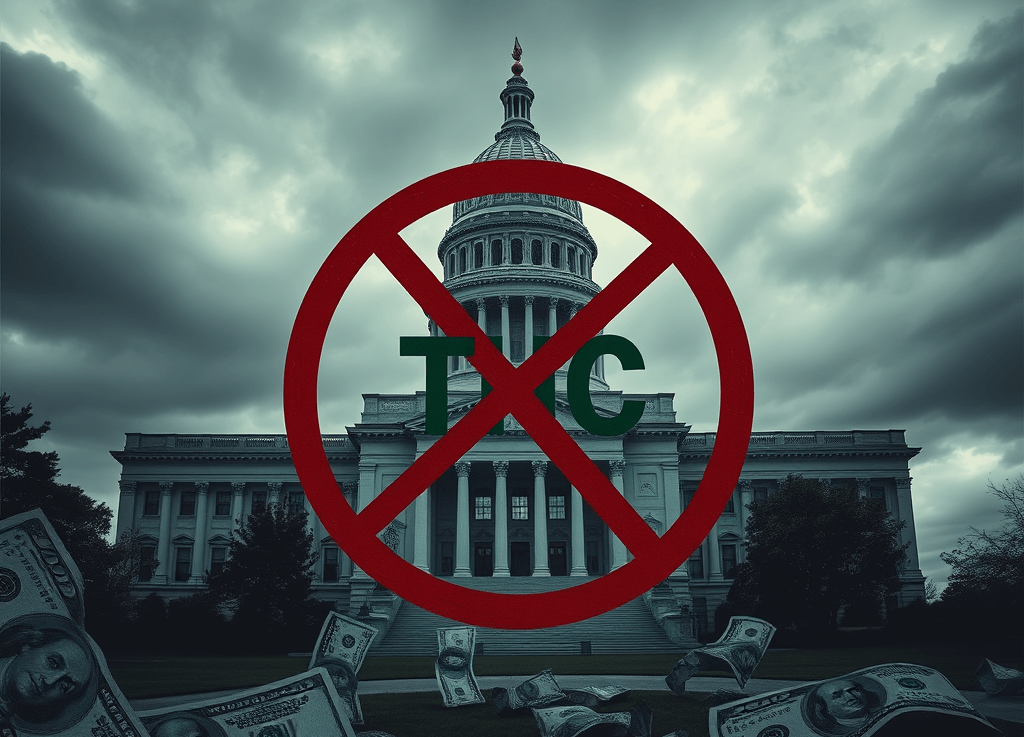
SB3 is Texas’s big “hold my beer” moment in THC regulation. It proposes a total ban on all THC products—including the ones that come from hemp. Yes, even the stuff that was entirely legal under the 2018 Farm Bill. Because nothing says “progress” like running backwards.

Products getting axed:

Any other Delta-9 THC that isn’t under ultra-strict medical exception

Delta-8 THC

Delta-10 THC

All consumable hemp products with synthetic cannabinoids

Passed? You bet. The Texas House and Senate rubber-stamped it, and now it’s just waiting for the governor to sign off with a flourish.

Implementation? September 1, 2025. Mark your calendars, or maybe just mark your stash.

Enforcement: Jail for Gummies, Cheers for CBD

If you’re caught with any of the banned THC products, you could face up to a year in jail. So long, THC gummies and beverages! The only survivors? CBD and CBG—because, apparently, they’re the “good kids” who do their homework and don’t talk back.

Political Circus: Who’s Wagging This Dog?

The bill has all the right (or wrong) friends in high places. Governor Dan Patrick is basically on a crusade to ban THC, with the only exception being the state’s incredibly limited Compassionate Use Program. Because if you’re not suffering enough for a medical exception, you’re just not trying hard enough.

Economic Impact: Why Not Kick Retail When It’s Down?

Texas retail is already circling the drain—sales index at -30.5 (lowest since April 2020) and employment dropping fast.

SB3 is about to obliterate a sector that was actually growing, because who needs jobs or tax revenue, right?

Over 40,000 jobs? Gone. Poof.

$7.5 billion in annual revenue? Say goodbye.

Historical Context: Déjà Vu, Prohibition-Style

Let’s play a game: is this Prohibition or SB3? (Spoiler: It’s both, just with different substances.)

Jobs Lost: Prohibition: 250,000 // SB3: 40,201 (but who’s counting?)

Annual Revenue Loss: Prohibition: $11B // SB3: $7.5B

Enforcement Costs: Prohibition: $4.5B // SB3: $2.8B

You’d think after one round of “let’s outlaw a popular substance and see what happens,” we’d learn. But no—let’s hit copy-paste and hope for a different outcome!

Black Market: The Only Winner Here

Projected to hit $9.2B by 2030 because, shocker, demand doesn’t disappear when you ban stuff.

Illegal trade growth? 35% a year. Welcome to the new Wild West.

Sophisticated trafficking networks will be popping champagne (or whatever traffickers drink).

Law Enforcement: Good Luck With That

Enforcement costs? Up 180% in three years.

Police will be so busy chasing edibles they might miss, you know, actual crime.

And, just like Prohibition, get ready for corruption and enforcement headaches.

But Wait—People Might Actually Die

If the money talk didn’t get your attention, here’s a dose of reality:

Fentanyl Crisis: Hold My THC

5 Texans die daily from fentanyl poisoning. Not dramatic enough? How about a 20% jump in overdose deaths after SB3 hits?

Law enforcement focus will shift so hard, fentanyl dealers will get a free pass.

Black market dealers may start mixing fentanyl with THC products. Because nothing says “public health” like a surprise overdose.

Public Health: The Opposite of What You Want

20% more ER visits from unregulated products.

Less access to safe, tested alternatives.

Addiction treatment centers? Prepare for a flood.

Recommendations (That They’ll Ignore, But Hey, We Tried):

Phase in changes. Don’t nuke the market overnight.

Boost funding for addiction treatment and harm reduction.

Create a dedicated task force for the fentanyl crisis—don’t lump everything together.

Test and monitor black market products (because pretending they don’t exist won’t work).

Final Thoughts: Stupid Shit, Indeed

Texas, you’re about to repeat one of history’s most famous flops. If you’re looking for a case study in how not to legislate, SB3 is your gold star. Want to solve the fentanyl crisis? Want to help law enforcement? Want to support jobs and revenue? SB3 does the opposite.

But hey, when has common sense ever stopped a “good” idea in the Texas legislature?

Stay tuned for more from my upcoming book, Stupid Shit, where we catalog the finest moments in legislative facepalming. Because if we don’t laugh, we’ll cry.

Oh, and Before You Assume I’m Just Trying to Save My Stash…

Let’s clear the air right now: If you think this is some desperate plea to protect my THC gummies, you might want to check your assumptions at the door. Seriously, does this look like a stoner manifesto? If anything, it’s a plea for basic logic and a little historical memory—two things that seem to be in shorter supply than common sense at the Texas Capitol.

This Isn’t About Getting High—It’s About Not Repeating History’s Dumbest Mistakes

Let’s be real: the “Iron Law of Prohibition” isn’t just a catchy phrase—it’s a proven disaster. Every time lawmakers try to ban a substance people want, the market doesn’t disappear. It just gets meaner, riskier, and a hell of a lot deadlier. That’s not stoner paranoia; that’s what happened with alcohol, and it’s exactly what’s happening with fentanyl right now. When you squeeze the supply, you don’t get less demand—you get more potent, more dangerous alternatives flooding the streets.

If You’re Worried About Fentanyl, SB3 Is the Opposite of a Solution

Let’s not kid ourselves: the fentanyl crisis is the worst drug crisis in American history. And what’s fueling it? Not legal, regulated products, but the black market that thrives every time lawmakers try to “crack down” with blanket bans. Just ask the DEA, who are busy seizing record-breaking amounts of fentanyl while the death toll keeps climbing. Or check with Texas Health and Human Services, who are literally begging people to get educated and connected to resources because the crisis is so out of control.

So, No—This Isn’t a Stoner’s Rant

This is a call for evidence-based policy, not knee-jerk reactions. If you think that’s just “stoner logic,” maybe you’re the one who needs to lay off the reefer madness. Because the real madness is repeating the same failed strategies and expecting a different result.

Final Thought: If You’re Still Not Convinced…

Ask yourself: Would a stoner really bother to dig up economic data, historical parallels, and public health projections? Or would they just be chilling, waiting for the next episode of whatever’s trending on Netflix? This isn’t about saving my stash—it’s about saving Texas from another round of legislative stupidity.

So, next time you hear someone say, “It’s just about the weed,” remind them: It’s about not making the same stupid mistakes over and over again.

Sign up for my updates so you will know when to look for my latest book “Stupid Shit”

-Best

Modern Insomnia: Navigating Today’s Chaos

Modern Insomnia: Navigating Today’s Chaos


If you’ve ever lain awake at night, pondering the peculiar parade that is our modern world, you are not alone. In fact, you’re in excellent (and probably sleep-deprived) company. Join me, dear reader, for a meandering stroll through the baffling bazaar of current events—a stroll filled with curious characters, economic contortions, and, of course, the ever-present background noise that makes insomnia seem downright logical.


Restless Nights and Restive Times

It’s hard to sleep these days. Not because of caffeine, but because I’m serenaded nightly by the cacophony of contemporary civilization. The soundtrack? Equal parts confusion, outrage, and a touch of “did that really just happen?” If only there were a snooze button for society.


Story Time, But Not As We Knew It

Once upon a time, story time meant fairy tales and talking animals. Now, it seems we’ve added a touch of theatrical flair, with drag queens reading to kids. Some call it progress, others call it performance art gone rogue. Either way, the plot twist is: society can’t agree on the moral of the story.


The Immigration Imbroglio

Tens of millions in the country without official paperwork—some say they get more assistance than our own veterans. It’s a bit like hosting a potluck where the guests eat first and the hosts get the leftovers. No wonder the host is grumpy.


Gang Bangers, Judges, and the Curious Case of the Protected Perpetrator

In today’s legal landscape, it sometimes feels like activist judges are playing defense for those who never quite got the hang of playing by the rules. Courtrooms: now with 25% more plot twists!


Presidents, Puppets, and the Mystery of the Marionettes

Why do we need a president? Is it just to keep the White House tour guides in business? And if the president is the puppet, who’s got their hand on the strings? I suspect the marionettes have marionettes, and somewhere, someone is making a fortune selling all the strings.


Economy: Where Prices Go Up, Wages Stand Still, and Politicians Get Richer

Sanders and company shout about living wages while their own bank accounts live quite comfortably. Meanwhile, regular folks are left with calluses and receipts for $8 eggs. Here’s a radical idea: maybe prices should come down instead of wages going up. But what do I know? I’ve never been invited to a Senate brunch.

Did you know: the more you earn, the more everything costs, and the only ones celebrating are the tax collectors, who get a bonus every time a price tag goes up. It’s like a game of Monopoly, but the banker always wins.


North Korea: Apocalypse Now, or Later?

Rumor has it that North Korea’s supreme leader instructed his people to launch nukes at the U.S. upon his demise. Loyalty or lunacy? Hard to tell. Either way, it’s proof that “Dear Leader” is not a job for the faint of heart (or the rational).


Shadow Governments and Conspiracy Cocktails

Was JFK snuffed out for being too much like Trump? Is the CIA running a shadow puppet show behind the scenes? Was the “Red Scare” just a shiny distraction? At this point, the only thing less believable than the official story is the unofficial one.


Higher Education: Now With 50% More Indoctrination

Is college just expensive brainwashing? If so, can I get a refund? And perhaps a certificate of “Critical Thinking, With Honors (Some Restrictions Apply)”?


The Curious Case of Flying Immigrants

The latest travel trend: the Biden administration was flying in thousands of newcomers and dropping them in red states, courtesy of NGOs with all the transparency of a foggy window. Apparently, “non-profit” is the new “trust me, bro.”


The Age-Old Question: Why?

Why does the media spin tales taller than Paul Bunyan? Why do politicians defend the indefensible? Why is the frog in the soup kettle still hanging on? Why can’t I get some sleep?


Conclusion: Pass the Ambien, Please

If you’ve made it this far, congratulations! You deserve a nap. Perhaps you’re considering joining me in a virtual world where the newsfeed is filled with nothing but puppy videos, and the only drama is whether the cat will knock over the vase. Until then, let’s keep asking questions (and maybe invest in earplugs).


Best,
A Fellow Sleepless Soul

The Return of Firing Squad Executions in the U.S.

The Return of Firing Squad Executions in the U.S.


I have been on the fence regarding the Death Penalty since I was a child.
For those of you old enough to remember grade school, when we got back from lunch and there was a projector in the room it was a great day!


Well, that was not the case one day in the third grade—yes, third grade. Most of us were 9 years old, and we didn’t know too much about war. For me, Vietnam was fresh on our minds even though we couldn’t find it on a map; we all knew someone who was involved.


The film that day was The Execution of Private Slovik. In case you never saw the film, the story revolves around a soldier named Private Slovak, who is executed for the crime of cowardice.

The events unfold in a manner that highlights the absurdity and tragedy of war. Vonnegut uses dark humor and irony to convey the senselessness of the military’s decision, questioning the values and morals of those in power.


“The Execution of Private Slovak” serves as a powerful commentary on the nature of war and the moral dilemmas faced by individuals in extreme circumstances. Vonnegut’s unique style and perspective prompt readers to reflect on the consequences of conflict and the human capacity for both cruelty and compassion.


The film adaptation of “The Execution of Private Slovak” is likely aimed at a mature audience, primarily due to its themes of war, morality, and the psychological impact of conflict.
The film’s production was so compelling that I still suffer from PTSD after seeing it in 1974 as a child.
I don’t have to tell you that the ‘teacher’ who sucked at teaching BTW had no business showing that film to nine-year-olds.

That brings me to my reason for this blog post…


Recent Execution by Firing Squad
Today, March 8, 2025, marks a significant event in the realm of capital punishment in the United States, as Brad Sigmon, a 67-year-old inmate, was executed by firing squad in South Carolina. This execution is notable as it is the first firing squad execution in the U.S. in 15 years, with the last one occurring in Utah in 2010.

Brad Sigmon was convicted of a double murder in 2002, where he killed his ex-girlfriend’s parents. He opted for the firing squad as his method of execution, rejecting other options such as electrocution or lethal injection. This choice has sparked discussions about the ethics and humanity of various execution methods, especially given the controversies surrounding lethal injections and their potential for botched procedures.


The execution has drawn significant attention and criticism, with many labeling the firing squad as a “barbaric” method of execution. There have been calls for clemency and debates about the appropriateness of using such methods in modern society. The return of firing squads as a method of execution raises questions about the evolving landscape of capital punishment in the U.S. and the moral implications involved.


Well, I don’t have to tell you that his death has resonated with me.


Unlike many, I feel as if we gain something when a mass murderer doesn’t commit suicide by cop or just plain old taking the coward’s way out and offing themselves.


Learning from the experiences of convicted murderers can help identify patterns that lead to violent behavior. This knowledge can inform community preventive strategies, such as mental health support, conflict resolution programs, and educational initiatives to reduce violence.


I maintain that we have a mental health crisis in this country and most probably around the globe.
As the Trump administration focuses on improving America’s health, mental health should be a key component.

This person chose this method to die as a statement. Why? What was his reasoning to die in such a horrific manner? Will his death dissuade others from committing acts of violence?


What are your thoughts?
Should we have the death penalty?
If we have it how should it be carried out?

As you can see, I enjoy sharing my views on current events. Feel free to share your thoughts in the comments section below.


I am thrilled to share an exciting update with you—my latest book, 1300 Feet per Second, will be released soon! This novel delves into the intricacies of human resilience and the relentless pursuit of one’s dreams, all set against the backdrop of gripping adventure and unforeseen challenges.
Your support has always been invaluable to me, and I am incredibly eager for you to dive into the pages of 1300 Feet per Second. This story will captivate your imagination and resonate with your spirit, much like it did with mine during the writing process.


In addition to this new release, I invite you to explore my current collection of books available on Amazon. Each title carries a piece of my heart and endless hours of dedication, crafted to offer you memorable and enriching literary experiences.


Thank you for being such a passionate and supportive community. I look forward to hearing your thoughts on 1300 Feet per Second and hope you find joy and inspiration in all my works.
Happy reading!


Warm regards,
Scott
Discover more of my books:

If your in to reading short stories for free…Follow the link and read my contest entries on the Reedsy web site in the UK.

The Impact of Drug Use on Autism Rates

The Impact of Drug Use on Autism Rates

I don’t believe Robert F. Kennedy Jr. needs to search extensively for the cause of autism. I have been thinking much about what RFK thinks about vaccines, food and so forth. I think his concern for Autism is spot on.

This article explores the causes of the country’s falling health, Autism and birth rates.

If you have used drugs like marijuana or cocaine at parties, your child’s poor health might be a result of your actions. Read on…

Focusing solely on autism, data from the United States reveals a significant rise in diagnosed cases over the past half-century, increasing from roughly 1 in 2,000 children in the 1970s and 1980s to 1 in 36 children in 2025. This signifies a greater than 50-fold rise in the reported prevalence.

No article on Autism would be complete if we didn’t acknowledge that this rise might be because of shifts in diagnostic methodologies, heightened awareness, and enhanced reporting procedures.

So, which is it?

There is substantial evidence that prenatal drug exposure can cause a wide range of birth defects, developmental issues, and medical conditions that may significantly impair a child’s ability to grow into a fully functioning adult. These effects can be severe and long-lasting, impacting various physical, cognitive, and social development aspects. The research underscores the importance of avoiding drug use during pregnancy to minimize these risks and ensure the best possible outcomes for children.

General Effects of Drug Use During Pregnancy: Most drugs of abuse can easily cross the placenta, affecting fetal brain development and potentially leading to long-lasting implications.

Drug use during pregnancy is associated with an increased risk of birth defects, including structural malformations and behavioral alterations in offspring.

Specific Drugs and Associated Risks:

Opioids: Linked to poor fetal growth, preterm birth, stillbirth, and specific birth defects.

Cocaine: Associated with an increased risk of stillbirth, premature birth, and low birth weight.

Heroin: Linked to reduced fetal growth and low birth weight.

Alcohol: Even small amounts can negatively affect the developing fetus, leading to Fetal Alcohol Spectrum Disorders (FASD).

Long-Term Effects: Prenatal drug exposure can lead to congenital anomalies and long-term developmental issues, potentially affecting the child’s ability to function as an adult.

If that’s not enough to convince an expectant mother to avoid recreational drugs and even something as seemingly harmless as Tylenol, what about the father, or in many cases, the sperm donor?

Recreational drug use can significantly impair both male and female fertility, making it more difficult to conceive:

Male Fertility:

Recreational drug use, including marijuana and other illicit substances, can adversely affect male reproductive health, potentially leading to subfertility and increasing the risk of infertility by up to 70%.

Specific effects on male fertility include:

Alcohol: Can decrease testosterone levels, reduce semen volume, and cause erectile dysfunction.

Marijuana: May lower testosterone levels and negatively affect semen quality, including sperm count and motility.

Cocaine: Can impair erectile function and reduce sperm concentration and motility.

Opioids: Linked to reduced libido, erectile dysfunction, and decreased testosterone levels.

Methamphetamines: Can lead to erectile dysfunction, decreased sexual desire, and cause apoptosis in germ cells, affecting sperm quality.

Female Fertility:

Substance abuse, including marijuana and alcohol, has been linked to negative sexual and reproductive health outcomes in females, including decreased fertility.

Specific effects on female fertility include:

Alcohol: Can disrupt menstrual cycles, leading to ovulatory dysfunction and difficulties conceiving.

Marijuana: May disrupt menstrual cycles and negatively impact assisted reproductive technology outcomes.

Cocaine: Associated with an increased risk of primary tubal infertility.

Opioids: Can lead to menstrual irregularities and amenorrhea, reducing the probability of conception.

Risks During Pregnancy

If conception does occur, recreational drug use during pregnancy poses significant risks to both the mother and the developing fetus:

Miscarriage and Stillbirth: The use of recreational drugs during pregnancy increases the risk of miscarriage and stillbirth.

Birth Defects and Developmental Issues: Many recreational drugs are teratogenic, meaning they can cause birth defects and developmental issues with long-lasting implications for the child.

Premature Birth and Low Birth Weight: Drug use during pregnancy is associated with an increased risk of premature birth and low birth weight, which can lead to further health complications for the newborn.

Neonatal Abstinence Syndrome (NAS): Babies born to mothers who use drugs during pregnancy may experience withdrawal symptoms after birth, known as Neonatal Abstinence Syndrome.

Fetal Growth Restriction: Exposure to drugs in utero can lead to poor fetal growth, resulting in babies being small for their gestational age.

Neurological and Behavioral Consequences: Prenatal exposure to drugs can lead to permanent neurological, developmental, and behavioral issues, manifesting as learning disabilities, attention deficits, and other cognitive impairments.

Long-Term Effects on Child Development

The impact of parental drug use extends beyond pregnancy and can have long-lasting effects on child development:

Physical Health: Children of parents who misuse substances may experience inadequate physical development, including stunted growth due to malnutrition in extreme cases.

Psychological and Emotional Effects: These children are at a higher risk of developing anxiety and depression due to the instability in their home environment.

Cognitive and Academic Challenges: Children of substance-abusing parents may show cognitive deficits that impact their academic performance.

Social and Behavioral Issues: These children may experience neglect and abuse, leading to behavioral problems and difficulties in forming healthy relationships.

Health Problems: Stress-related health problems are prevalent among these children, including conditions such as gastrointestinal disorders, headaches, migraines, or asthma.

Risk of Substance Use: There is a heightened risk that these children will develop substance use disorders themselves.

Expert Opinions

Healthcare organizations and professionals emphasize the risks associated with substance use and having children:

The NSPCC highlights that problematic substance use can lead to chaotic lifestyles that may harm children.

The Perinatal Addictions Prevention Project (PAPP) focuses on educating professionals and consumers about substance use during reproductive years, pregnancy, and postpartum, emphasizing prevention and risk reduction.

The National Institute for Health and Care Excellence (NICE) notes that substance misuse can lead to increased criminal activity, domestic abuse, and significant mental and physical health problems.

What about Paternal drug users? If only the sperm donor uses drugs for whatever reason and the mom to be is ok with him being the father, is that ok?

The survey says… No.

There is strong evidence that paternal drug use can cause DNA damage, chromosomal abnormalities, and epigenetic changes in sperm, which may increase the likelihood of birth defects and developmental issues in offspring. The specific risks depend on the type of drug, the extent and timing of use, and other mitigating factors. While not all paternal drug use results in adverse outcomes, the potential for harm underscores the importance of addressing substance use in prospective fathers to minimize risks to offspring. Further research is needed to fully understand the mechanisms and long-term implications of paternal drug use on child health and development.

Drug use, particularly substances like cocaine, opiates, alcohol, and nicotine, has been shown to cause significant DNA damage in sperm. This damage is often mediated by oxidative stress, which leads to DNA fragmentation and chromosomal abnormalities

For example, cocaine use has been linked to reduced sperm count, motility, and vitality, as well as increased DNA fragmentation. These changes can impair the genetic integrity of sperm and increase the risk of transmitting genetic abnormalities to offspring

Drug use can also induce epigenetic modifications in sperm, such as changes in DNA methylation and histone modifications. These changes do not alter the DNA sequence but can affect gene expression in the offspring, potentially leading to developmental issues or predispositions to certain conditions

Non-coding RNAs, such as microRNAs, are another mechanism through which drug-induced epigenetic changes can be transmitted to offspring, influencing their development and health.

Certain drugs, such as chemotherapy agents and heavy alcohol use, have been associated with chromosomal damage in sperm. This can lead to aneuploidy (abnormal number of chromosomes) or structural chromosomal abnormalities, which are known causes of birth defects and developmental disorders.

Congenital Anomalies:

Paternal drug use has been associated with an increased risk of congenital anomalies, such as heart defects, neural tube defects, and genital malformations. For example, paternal use of metformin has been linked to genital birth defects in male offspring.

Neurodevelopmental Disorders:

Drugs like valproate and cocaine have been linked to neurodevelopmental disorders in offspring, including autism spectrum disorders (ASD), intellectual disabilities, and attention deficit/hyperactivity disorder (ADHD).

Behavioral and Cognitive Issues:

Paternal cocaine use has been shown to increase the risk of learning disabilities, memory loss, and conduct disorders in offspring. These effects are thought to result from drug-induced genetic and epigenetic changes in sperm.

Addiction Vulnerability:

Animal studies suggest that paternal drug use can increase the offspring’s susceptibility to addiction. For example, paternal cocaine use has been linked to changes in genes affecting synaptic connections, which may predispose offspring to substance use disorders.

Cryptorchidism and Other Specific Defects:

Paternal use of certain drugs, such as finasteride, has been associated with cryptorchidism (undescended testicles) in male offspring.

Type of Drug:

Some drugs, such as cocaine, opiates, and alcohol, have stronger evidence linking them to DNA damage and birth defects compared to others, such as certain neurological medications, which show weak or null associations.

Extent of Use:

Chronic and heavy drug use is more likely to cause significant damage to sperm DNA and increase the risk of transmitting genetic abnormalities to offspring.

Timing of Drug Use:

The period of sperm development (approximately 74 days) is critical. Drug use during this time can affect the quality and genetic integrity of sperm.

Mitigating Factors:

Some effects of drug use on sperm may be reversible with cessation of use and lifestyle changes, such as improved diet and antioxidant supplementation, which can reduce oxidative stress and improve sperm quality.

RFK’s community awakening is clearly needed, which is supported by substantial evidence.

Recreational drug use can severely harm a child, impacting everything from conception to development. For optimal reproductive health and child well-being, those planning a family should avoid recreational drugs.

Truly, we are up against addiction. It isn’t just an addiction of recreational chemistry but the chemistry in your brain. If you’re still reading, you are my people; here is more fodder for you.

With drugs, smoking or even sex here is what happens:

1. Activation of the Brain’s Reward System

The brain’s reward system plays a central role in drug-induced highs. This system includes structures such as the ventral tegmental area (VTA), nucleus accumbens (NAc), and the prefrontal cortex.

When drugs are consumed, they trigger an artificial and often intense activation of this reward system, which is responsible for processing pleasurable experiences and reinforcing behaviors.

2. Dopamine Surge

One of the most significant effects of drug use is a surge in dopamine levels:

Dopamine is a key neurotransmitter in the brain’s reward system, associated with pleasure, motivation, and reinforcement.

When drugs are consumed, they often lead to a much larger increase in dopamine levels compared to natural rewards like food or social interactions.

This intense dopamine release creates the sensation of a “high,” which is a powerful motivator for repeated drug use.

3. Neurotransmitter Disruption

Different drugs affect various neurotransmitter systems in the brain:

Stimulants (e.g., cocaine, amphetamines):

Increase dopamine and norepinephrine levels by blocking their reuptake.

This leads to heightened alertness, euphoria, and increased energy.

Depressants (e.g., alcohol, benzodiazepines):

Enhance the effects of GABA, the brain’s primary inhibitory neurotransmitter.

This results in relaxation, reduced anxiety, and sedation.

Hallucinogens (e.g., LSD, psilocybin):

Primarily affect serotonin receptors, altering perception and mood.

This leads to changes in consciousness and potential hallucinations.

4. Altered Brain Activity

Neuroimaging studies have revealed significant changes in brain activity during drug intoxication:

There’s often lower glucose metabolism in the frontal cortex during the use of substances like cocaine, morphine, or alcohol.

The binge/intoxication stage is characterized by heightened activity in the ventral striatum, a key region in reward processing.

5. Short-Term Effects on Cognition and Behavior

Drug-induced highs can lead to immediate changes in cognitive function and behavior:

Altered consciousness, euphoria, and impaired judgment are common short-term effects.

Changes in coordination, mood, and perception can occur, varying based on the type of drug used.

6. Neuroadaptations

Even short-term drug use can begin to induce neuroadaptations in the brain:

The brain may start to adapt to the presence of the drug, leading to tolerance (needing more of the drug to achieve the same effect).

These adaptations can persist, contributing to the risk of addiction and relapse.

7. Activation of Memory and Learning Circuits

During a drug-induced high, the brain’s memory and learning circuits are also activated:

This creates strong associations between the drug use, the environment, and the pleasurable experience.

These associations can trigger intense cravings when exposed to drug-related cues, even after long periods of abstinence.

But what about other things that are addictive, like adrenaline?

The effects on the brain during sex, eating a favorite food like chocolate, or engaging in thrill-seeking behaviors such as speeding while driving are all related to the activation of the brain’s reward system, but with some distinct differences. Let’s explore each activity and its neurological impact:

1. Sexual Activity

Sexual activity has a profound impact on the brain, triggering a complex interplay of neurological processes:

Hormonal Release: During sexual activity, the brain releases a cocktail of hormones and neurotransmitters, including:

Dopamine: Produced by the hypothalamus, contributing to feelings of pleasure and euphoria.

Oxytocin: Often called the “cuddle hormone,” released in large quantities during sex, promoting bonding and relaxation.

Norepinephrine: Contributes to arousal and excitement.

Brain Region Activation: Sexual stimulation and satisfaction increase activity in various brain networks, including:

Prefrontal cortex, Orbitofrontal cortex, Insula, Cingulate gyrus, Cerebellum

These regions are involved in processing emotions, sensations, and decision-making.

Mood and Stress Effects: Sexual activity is associated with improved mood and reduced stress levels due to the release of oxytocin and endorphins, which can lead to a calming effect and pain relief.

Cognitive Benefits: Regular sexual activity may improve cognitive function, particularly in older adults, enhancing memory performance, verbal fluency, and visuospatial ability.

2. Eating Highly Palatable Foods (e.g., Chocolate)

Consuming highly palatable foods like chocolate also activates the brain’s reward system, but through different mechanisms:

Reward System Activation: The mesolimbic dopamine pathway, including the nucleus accumbens, is activated by the sensory properties of chocolate, such as its taste and smell.

Dopamine Release: Eating chocolate leads to the release of dopamine, contributing to feelings of pleasure and satisfaction.

Cognitive Effects: Dark chocolate, rich in flavanols, may have cognitive benefits:

Improved memory and reaction times in young adults.

Enhanced memory performance in older adults with long-term consumption of high-flavanol cocoa.

Mood Enhancement: Chocolate consumption is associated with mood improvement, possibly due to its ability to modulate neurotransmitter systems involved in mood regulation. It can lead to the release of endorphins, promoting feelings of happiness and well-being.

Craving and Reward Processing: Chocolate cues can elicit specific neural responses in regions associated with reward and craving, as shown by fMRI and ERP studies.

3. Thrill-Seeking Behaviors (e.g., Speeding While Driving)

Engaging in thrill-seeking behaviors like speeding activates the brain’s reward system in a unique way:

Dopaminergic System Activation: Thrill-seeking is associated with heightened response to dopamine, which can lead to increased risk-taking behaviors.

Risk and Reward Processing: The nucleus accumbens is activated during thrill-seeking activities, processing the rewards associated with the risky behavior.

Emotional and Cognitive Factors: Thrill-seeking can be influenced by emotional states like stress or anger, which can alter cognitive processing and lead to impaired decision-making.

Adrenaline Release: Speeding can lead to the release of adrenaline, contributing to feelings of exhilaration and excitement.

Prefrontal Cortex Engagement: Thrill-seeking behaviors uniquely engage the prefrontal cortex more extensively due to the need for risk assessment and decision-making.

Comparison and Synthesis

While all three activities activate the brain’s reward system, they do so in different ways:

Sexual activity provides a more holistic activation involving emotional bonding, stress relief, and potential cognitive benefits.

Eating chocolate focuses more on sensory pleasure and potential mood enhancement, with some cognitive benefits from certain types of chocolate.

Speeding engages the reward system through risk and excitement, involving more cognitive processing related to decision-making and risk assessment.

Each activity involves dopamine release, but the context and intensity vary. Sexual activity and chocolate consumption are generally associated with more positive long-term effects, while thrill-seeking behaviors like speeding carry significant risks and potential negative long-term consequences on brain function and overall health.

I added that last part for those who might judge drug users; believe me, we all have our own ingrained addictions. Maybe you are more responsible and understand that drug use will to quote Bruno Mars, ‘funk you up.’

One wonders what the middle ground might be? How does RFK and his team MAHA?

I would encourage him to enlist the services of experts in the field of mental health. Not only do we have an unhealthy diet, but we have a mental health crises that borders on hedonism with half the country acting like spoiled brats.

How do you fix spoiled brats?

Dad’s home; hand over the remote, and go to your room until you can behave yourself.

If only it were that simple.

If it were me, I would enlist the Franklin Grahams of the world. Education, while necessary, can only go so far. Morality seems to be a large part of the problem, and we need to attack these issues on multiple fronts. We need to dig into cultural history and backtrack to see where we went askew of common sense. -Best

Feel Free to share this post, re-blog, etc. This was a lot of work and research on my part.

Why I Value Critiques Over Prizes in Writing Contests

Why I Value Critiques Over Prizes in Writing Contests

This week’s entry…

Many of you know I frequently submit contest entries to Reedsy, aiming for several submissions each month.

While the tease, the carrot, if you will, of $250 is nice, the reality is that I don’t even consider that part of the prize that I am seeking.

People around the world read my stories. While a simple “like” is an affirmation in that they took the time to click like, it is for the critiques of other writers I seek.

Since they don’t know me, they can tell me what they honestly think or feel. I also reciprocate for the stories that I read. I do that with the good, the bad, and the ugly.

This week’s entry was posted, and I received the following review.

Scott, your story masterfully blends humor, serendipity, and heartfelt moments into a captivating narrative that made me feel like I was right there in the snowed-in airport. The line, “No, I’m not tired,” he whispered sadly, “but I’m also sad to see the blizzard ending,” encapsulates the bittersweet feeling of fleeting connections and new possibilities. Your depiction of Victor and Emma’s banter and chemistry, especially their shared frustrations and quick wit, is utterly delightful. The humor throughout the story—like Emma’s hilarious commentary on airport bars—kept the mood lively while the underlying emotions added depth. Your vivid descriptions, especially of the bustling airport bar and Victor’s nostalgia for Toad Suck, created a rich, immersive backdrop. This is a wonderfully crafted piece with humor, heart, and charm. Thank you for sharing such a delightful read!

I am not sharing this as a brag but as an example.

Countless similar contests, with their own unique rules and prizes, undoubtedly exist across various platforms and communities. For me, these contests are much like a recess from grade school—a welcome break from the pressures of work, a chance to let loose and have some fun, just like those carefree days of childhood. The prompt transports me from my project – be it the chilling winds and barren rocks of an alien planet or the plush carpets and rich scents of a movie star’s boudoir. The challenge is to meticulously plan my writing, unlike my spontaneous, free-flowing pantster style. With a maximum of 3000 words, creating the arc, the storyline, and so on is excellent practice for that New York Times bestseller that is looming in the near distance of my imagination.

Follow the link to my entry and see what you think. Was she right?

Recently, I published a book of these entries called Ephemera, Tales of the Fleeting and Profound. Another book with the same name, Vol II, is in the making as I take these stories, edit them, add to them as I see fit, and re-publish them as a book of short stories. You can find my work here.

Welcome to 2025 and your personal connection to someone passionate about the craft of writing.  Cheers!

The Ethical Dilemmas of AI and Legal Professionals

The Ethical Dilemmas of AI and Legal Professionals

The subsequent analysis presents my reflections on artificial intelligence following Mr. Kennedy’s inquiry to AI specialists.

Prior to offering my perspective, which I consider to be self-evident, it is necessary to consider expert opinions on gain-of-function viral research and the wisdom of developing weapons of mass destruction.

It is imperative that we discuss the legislators. The preponderance, if not the totality, of them are legal professionals. Allow yourself time to fully comprehend this. I contend that the legal profession often lacks ethical principles. Morality is linked to self-interest and the potential financial gain from persuading others to adopt and act on one’s beliefs.

Alternatively, what comparative analysis is needed to validate my stance relative to my opponent’s?

Two pertinent examples remain vividly in my memory.

Alternative 1: In my initial role as an engineer in a prominent law firm, the senior partner invested time in building a rapport with me. From my perspective, his office was in a state of disarray. The 34th floor of the office building resembled those often depicted in “Boston Legal,” though it was distinguished by files scattered across the floor, pertaining to various cases.

In reference to a defendant, he stated, “My ability to secure an acquittal is enhanced by an understanding of your guilt.” In plain English, it was easier for him to get you off if you told him you were guilty.”

His statement resonated deeply with me during my elevator descent from his office that afternoon.

The following case. A colleague in the same field as the first case had incurred the displeasure of a lawyer due to a professional error. I frequently responded to cases involving highly dissatisfied clients.

I was approached by a short, thin lawyer as I entered his office. His behavior escalated to include shouting, ranting, spitting, and threats of litigation. In short, he exhibited extreme narcissistic traits and behaved in a reprehensible manner.

A small notebook and pen were consistently kept in my shirt pocket. While he delivered his intimidating pronouncements against my company and myself, I made notes, allowing him to express his grievances. 

His discourse concluded; I ceased my doodling and calmly inquired, “Have you finished?”

His reaction was akin to that produced by a sudden immersion in cold water.

“You didn’t buy that?” He asked.

My professional engagements are exclusively limited to physicians and legal professionals.

Why this dissertation on lawyers?

Numerous legal professionals serve in both the House and the Senate. Shockingly, a few are not that smart, like an ex-bartender we all know.

When you wonder why the world is so screwed up, that is your reason. Many, not all make decisions on “what is in it for me?” Those are the ones who need to be primaried, and that is also why we need term limits. It would be beneficial to have clear financial transparency. When people all over the country are forced to decide whether to buy their medicine or eggs, that is a problem.

Serve your country for a limited time, then rejoin the real world and engage with the frustrations and anger of the people, instead of remaining aloof in your privileged position.

Now, let’s talk about AI.

AI needs an off switch. Period.

Any AI incorporated in mechanical devices not only needs an off switch but must also have a dictum that it cannot get around: “Thou shall not kill.”

No robots of any kind shall be a replacement for police, soldiers, or peacekeeping devices.

No AI should possess the ability to rewrite its own code. Creators of such code, like the coronavirus, should be held accountable; furthermore, I would require them to be licensed.

A non-corrupt agency must be created to handle licensing.

AI has a similarity to the Vietnam War. “What?”

Think about it. The Vietnam War was a no-win scenario. Why would AI become a no-win scenario?

As much as we regulate it here in the States, I can guarantee that other countries will only see it, much like lawyers who skirt the laws for their personal advantage; what can I get out of it? How would AI put my country ahead of other countries? How could AI give me an advantage?

Much like Iran and other countries seeking nuclear bombs, the use of such would mean the end of humanity, and any sane person knows this. Yet they spend billions of dollars on building such things, and some foolish person somewhere wants more of them, just like some impotent men get a fast car to replace their inability to impress a girl.

The application of artificial intelligence to research, particularly its capacity for high-speed analysis of extensive datasets, presents significant advantages. I believe that AI might find a cure for cancer or be able to come up with solutions for complicated legal issues.

AI-driven automation will inevitably lead to job losses.

Granting artificial intelligence the authority to make life-or-death decisions based on algorithms of unknown origin is ill-advised.

Much like many programs today, the output is only as good as the input. When I asked AI to tell me about Tim Walz when Kamala chose him, the output would make you think he was an all-American hero who Jesus himself would be proud to call brother.

In contrast, research concerning right-leaning political figures is far less optimistic, suggesting inherent biases within AI systems.

One final thought about those who walk DC hallowed halls and believe they are more intelligent than their bosses.

Why would a man spend $19 million of his own money to get elected to a congressional seat that pays less than $200,000 a year?

How do some people of modest means get elected and now worth millions?

My final head-scratcher is how Kamala Harris got and spent over a Billion dollars for an election that had a zero chance of winning, even with the media spreading vitriol for Trump and over half the American people.

Who is running the country?

I hope sanity prevails in Washington, D.C., soon.

To be completely transparent, I’m a multi-genre author and a creative thinker. Challenges like this demand my attention before I can return to my fictional worlds, where even the final frontier is a stepping stone in my search for extraterrestrial intelligence.

You can find my books here.

The Power of Embrace

The Power of Embrace

The Power of Embrace

Unveiling the Transformative Benefits of Hugging

Yes, hugs play a significant role in our emotional and physical well-being. Hugs provide comfort and support, especially during difficult times. When someone is facing challenges, a hug can help reduce their stress levels and make them feel more supported. This physical touch fosters a sense of connection and reassurance.

Hugging stimulates the production of oxytocin. This hormone not only helps to ease stress but also promotes feelings of bonding and connection between individuals. Also, hugging releases other hormones like dopamine and serotonin, enhancing mood and overall mental health.

Regular hugging can lead to various health benefits, including improved heart health. It has been shown to lower blood pressure and reduce the risk of heart disease. The act of hugging can also help mitigate the effects of high-stress hormones, which are linked to many health issues.

Hugs are a powerful way to strengthen social bonds. They can enhance feelings of closeness and intimacy in relationships, contributing to higher self-esteem and improved mental health.

Not only is hugging like the old song “I want to buy the world a Coke and live in harmony,” but think about how we lead by example. What we do in our homes has long-term effects on our progeny. They watch us as parents. Much like sponges, the nut doesn’t fall far from the tree.

Hugging plays a crucial role in children’s emotional, cognitive, and physical development.

Hugging provides children with a sense of security and comfort. This physical affection helps to foster emotional resilience, allowing children to better manage stress and anxiety. Research shows that hugs can effectively reduce tantrums and promote calm, essential for emotional regulation during early development.

Hugging stimulates the release of oxytocin, a hormone that not only enhances bonding but also supports brain development. This hormone can promote the release of growth hormones vital for cognitive development. Children who receive regular hugs may experience enhanced brain growth and improved learning capabilities.

Regular hugging can boost a child’s immune system, making them less susceptible to illness. Studies show that the physical touch of hugging reduces inflammation and promotes overall health, especially important during childhood development. This nurturing behavior contributes to a child’s physical well-being, allowing them to thrive.

Hugging is a powerful way to enhance the emotional bond between parents and children. This connection fosters trust and security, which are foundational for healthy relationships. Children who feel loved and secure are more likely to develop positive self-esteem and social skills.

We are role models for our children.

Witnessing their parents express affection through hugging teaches children about the importance of physical touch in relationships. It sets a positive example of how to show love and support, helping them understand that affection is a natural and healthy part of human interaction.

Seeing their parents hug can create children’s sense of safety and security. This physical expression of love reinforces the idea that their parents are emotionally connected and supportive of each other, which can help children feel more secure in their own relationships.

Children who witness affectionate interactions between their parents are more likely to develop strong emotional intelligence. They learn to recognize and express their own emotions, as well as understand the feelings of others. This exposure to positive emotional expressions can lead to higher self-esteem and better social skills.

When children see their parents hugging, they are likelier to engage in similar affectionate behaviors. This can lead to a nurturing atmosphere where children feel comfortable expressing love and care towards their peers and family members, fostering healthy relationships throughout their lives.

All too often we see children from families of stoic parents become stoic adults, thus making relationships rife for marriage counselors and rocky starts.

Some people might dismiss demonstrativeness as they think back and remember they hugged their spouse or child recently, but it might have been weeks or months ago that they were actually there for the hug, if at all.

If you think about the different behaviors of some cultures, you might fit into that category.

Cultural expressions of affection, including physical touch like hugging, vary significantly across different societies. Here’s a breakdown of cultures that tend to be more demonstrative versus those that are less so:

Many Latin American, Mediterranean, and Middle Eastern societies are often characterized as more demonstrative. In these cultures, physical expressions of affection, such as hugging, kissing, and holding hands, are common and socially accepted. For example, in countries like Brazil and Italy, people frequently greet each other with hugs and kisses, reflecting a warm and open approach to interpersonal relationships. These cultures value emotional expressiveness and view physical touch as vital to social interaction.

In contrast, cultures considered less demonstrative include many East Asia and Northern European societies. For instance, in countries like Japan and Finland, there is often a greater emphasis on personal space and restraint in physical expressions of affection. In these cultures, public displays of affection may be viewed as inappropriate or uncomfortable. People may hint at their feelings, relying on verbal communication or non-verbal cues rather than physical touch.

As we enter a period of life where health comes from the drug store via big pharma, one must wonder how much of the medicine prescribed today could be rendered mute with a few changes in our social mores and diet.

Are you there for the hug?

The intention behind a meaningful hug is crucial. People give hugs purposefully, whether to celebrate a joyous occasion, comfort someone in distress, or express affection. This intentionality enhances the emotional impact of the hug, making it a memorable and significant experience.

A meaningful hug typically lasts longer than a quick greeting. It involves a genuine embrace where both parties engage fully, often accompanied by a gentle squeeze or a soft pat on the back. This prolonged contact can deepen feelings of connection and intimacy.

While a meaningful handshake might suffice upon meeting someone for the first time, graduating to a hug over consecutive meetings will undoubtedly go a long way towards cementing that friendship for years to come.

Just some food for thought.

Yes, I’m an author. I’m currently juggling several exciting projects. One delves into the mystical world of magic, while another explores the dark and thrilling world of a forensic assassin, a project filled with suspense and unexpected twists. Stay tuned.

-Best

Brushstrokes of Betrayal

Brushstrokes of Betrayal

This week’s #reedsy contest features a prompt that intrigued me.

Center your story on a character filled with love and fear in equal measure.

Check out my latest story.
In the hushed corridors of a historic museum, Peter Thomas, an aspiring artist moonlighting as a security guard, becomes inexplicably drawn to a haunting portrait of a woman named Georgiana. The painting said to imprison the soul of a king’s daughter punished for love, ensnares Peter with its eerie allure. As Halloween approaches, under the glow of a blood moon, he discovers the painting’s sinister secret. Lured into a deadly game of deception orchestrated by the enigmatic curator, Roger, Peter unwittingly becomes part of a centuries-old curse. With the stroke of midnight, the boundary between art and reality blurs, revealing a world where the living and the painted are intertwined. In a twist of fate, Peter’s fascination turns into betrayal, leaving him trapped within the canvas while Georgiana—now free—steps into the modern world. “Brushstrokes of Betrayal” weaves a gothic tale of enchantment, sacrifice, and the timeless seduction of art, where the ultimate role one plays may not have a curtain call.

https://blog.reedsy.com/short-story/4zw843/

After you read the story (for free) take a moment and leave me a comment. Those are helpful. Thanks!