Category: opinion

Are Smart Devices Watching You? The Truth Explained

Are Smart Devices Watching You? The Truth Explained

Imagine this: you’re sitting at your dinner table, enjoying a quiet moment with family, when suddenly your Alexa device chimes in with, “I’m sorry, I didn’t quite get that.” Or, perhaps, you’re on the phone discussing something personal, and Siri decides to say, “Here’s what I found on the web for that.” These interruptions have become so common that many of us brush them off as quirks of technology. But let’s dig deeper: are these devices simply malfunctioning, or is something—or someone—always listening?

The truth is, we are constantly being watched, listened to, and monitored, whether by our smart devices, security cameras, or even the apps running silently on our phones and computers. It’s easy to dismiss this as paranoia, but let’s be real—can you honestly say you’re not being spied on?

From the blue and red squiggly lines under text that suggest grammar improvements to the ever-watchful eyes of your doorbell cameras, surveillance has seamlessly integrated into our lives. This brings up a profound, and somewhat unsettling, question: how do we reconcile with the fact that we’re always being observed? To explore this, let’s turn to some familiar “watchers” from our cultural and spiritual lore—Santa Claus, the Elf on the Shelf, and even Jesus Christ.

The Elf on the Shelf is a playful holiday tradition meant to inspire good behavior in children. The idea is simple—this magical little elf watches from its perch and reports back to Santa each night. For kids, this can be an effective way to curb naughty behavior during the Christmas season. But think about it: the elf is a symbol of constant surveillance. It’s always watching, silently judging, and subtly influencing behavior.

Sound familiar? Today’s smart devices function much like that elf—quietly perched in the background, observing your every move. The difference? Unlike the elf, these devices don’t just report back to Santa; they report back to corporations, data warehouses, and sometimes even hackers.

The idea of Santa Claus himself is a bit unnerving when you think about it. He “knows when you are sleeping, he knows when you’re awake, he knows if you’ve been bad or good…” Essentially, Santa is the original overseer of behavior. His omnipresence teaches children to act kindly and responsibly, but it also introduces them to the concept of being judged by an unseen force.

In many ways, the modern surveillance state operates on the same principle. Whether it’s the little cameras at traffic lights or the algorithms analyzing your Google searches, the message is clear: someone is always watching. And just like Santa, these systems reward or punish based on your behavior. Stay “good,” and you might get a targeted ad for something useful. Step out of line, and you could face consequences—like a flagged social media account or even legal action.

In countries like China, a social credit system is not just an idea; it’s a developing reality. The government uses vast networks of surveillance cameras, facial recognition, and AI algorithms to monitor citizens. Your online activity, financial habits, and even the company you keep can affect your score. A low score might result in:

Being banned from purchasing train or plane tickets.

Losing access to loans or financial services.

Public shaming through “blacklists” that display your name and offenses for all to see.

While this level of control hasn’t reached every corner of the globe, the infrastructure for similar systems exists in many other countries. And as digital currencies and surveillance technologies become more widespread, the potential for similar programs to emerge elsewhere becomes increasingly plausible.

For many, Jesus represents the ultimate example of omnipresence and moral accountability. The idea that Jesus sees all and knows all is a cornerstone of Christian faith. Unlike the Elf on the Shelf or Santa Claus, however, Jesus’s watchfulness is rooted in love and grace, not judgment or manipulation. His constant presence is meant to provide guidance and comfort, rather than inspire fear.

The spiritual parallel here is worth noting. While surveillance technology often feels invasive and self-serving, it’s also possible to view it as a tool for accountability and safety. For example, the cameras on your doorbell might feel like an invasion of privacy, but they also provide a sense of security. In this way, our modern surveillance landscape mirrors both the benevolent and intrusive aspects of these watchers—helping us, but also keeping us under constant scrutiny.

Living Under the Watchful Eye: Embrace It or Escape It?

Now that we’ve established that surveillance is everywhere—whether through Alexa, Nest cameras, or even the principles baked into cultural icons like Santa—it’s time to ask yourself a critical question: how do you want to live with this reality? Should you embrace the fact that you’re being watched, or is living off the grid truly a better option? Let’s examine both paths.

Option 1: Embrace the Watchfulness

If you choose to embrace the fact that you’re being watched, here’s a potential mindset shift: instead of seeing surveillance as a violation of privacy, view it as an opportunity for accountability. For example:

Use smart devices to your advantage by customizing privacy settings and understanding what data they collect.

Accept that surveillance is a trade-off for convenience. Your Alexa might “listen,” but it can also make your life easier by setting reminders, controlling smart lights, or ordering groceries.

Focus on transparency. Ask yourself, “What am I willing to share in exchange for the benefits I get?” By being mindful of what you post, type, and say near these devices, you can maintain a sense of control.

Option 2: Escape the Grid

Living off the grid is a tempting way to escape the watchful eyes of modern technology. But before you pack your bags and head for the wilderness, consider the trade-offs:

Pros: You’ll enjoy complete privacy, fewer distractions, and a sense of independence. Without constant surveillance, you’re free to live without worrying about digital footprints.

Cons: Living off the grid means giving up the conveniences of modern life, from instant communication to online banking. It also requires significant effort to maintain self-sufficiency.

If you’re leaning toward this path, start small. Try disconnecting from unnecessary tech for a weekend or limiting your use of surveillance-heavy apps. See how it feels before committing fully.

Action Plan: Finding Your Balance

Whether you choose to embrace surveillance or strive for a life of minimal exposure, here are some steps to help you navigate this hyper-connected world:

Audit Your Devices: Take stock of all the devices in your home. Adjust privacy settings, disable unnecessary features, and research what data they collect.

Be Mindful Online: Think before you post, search, or share. The less data you give away, the less you have to worry about being tracked.

Adopt Healthy Boundaries: Use technology intentionally. Set “unplugged” hours during your day to avoid unnecessary exposure to screens and microphones.

Educate Yourself: Stay informed about how surveillance works. The more you know, the more empowered you’ll feel to make choices that align with your values.

Experiment with Minimalism: Try reducing your reliance on smart gadgets. Can you live without Siri for a day? How about a week?

From Santa Claus to the Elf on the Shelf, and now the algorithms embedded in our devices, the notion of being watched has shifted from myth to an undeniable reality. Surveillance is no longer the stuff of folklore—it’s tangible, pervasive, and inescapable.

Consider programs like Israel’s Pegasus, which has the capability to remotely access cameras and microphones without users’ consent. If one nation has developed this technology, it’s safe to assume others have as well. This raises important questions: Should we allow our phones in private spaces like bedrooms and bathrooms? Should we demand devices with removable batteries to ensure they are truly “off” when we want them to be? These steps seem like prudent safeguards in a world where privacy is rapidly eroding.

In the future, we’ll dive deeper into practical tips for spotting surveillance devices in places like hotels or vacation rentals. But for now, the reality is clear—our actions and words may no longer be as private as we’d like to believe. To navigate this new era of constant observation, it’s wise to act with caution, awareness, and perhaps a touch of humor.

After all, the watchers are here to stay—whether we like it or not.

So, what will you do? Will you lean into the conveniences of modern surveillance and make peace with the trade-offs? Or will you take steps to reclaim your privacy and live life on your own terms? The choice is yours, and it’s a decision that will shape how you interact with the world in this digital age.

After all, someone is always watching. The question is: how will you respond?

Are Premium Writing Tools Worth the Investment?

Are Premium Writing Tools Worth the Investment?


Writers with a lifelong passion for the written word and the craft of storytelling often recognize the importance of using the right tools to bring their ideas to life. For those who have explored genres ranging from psychological thrillers with dark, erotic edges to humorous works like my work in progress, “The Big Beautiful Book of Stupid Shit,” every project demands a unique approach. Expensive writing tools—designed to refine grammar, enhance prose, and assist with plot development—are becoming an integral part of the writing process. But are they worth the investment for seasoned writers? Let’s explore.
Why Consider Premium Writing Tools?
Writers who are equally fascinated by both the arts and technology often look for ways to combine these passions to improve their craft. Writing tools have evolved far beyond basic spell checkers and are now sophisticated programs capable of analyzing tone, identifying plot holes, and suggesting improvements to elevate any piece of writing.
For authors who work on a wide range of projects—whether humorous critiques, science fiction adventures, or dark psychological thrillers—these tools serve as a valuable second pair of eyes. They ensure that stories remain polished, engaging, and free of errors.
How Writing Tools Can Help (and Where They Shine)
Expensive writing tools offer several features that make them worth the investment. Here’s how they can enhance different aspects of writing:
Grammar and Clarity
Even the most experienced writers can miss grammatical errors, unclear sentences, or awkward phrasing. Tools like Grammarly Premium or ProWritingAid go beyond simple corrections by analyzing sentence structure, suggesting concise alternatives, and highlighting overused phrases. For example, in a psychological thriller, where every word must carry weight, having a tool that ensures clarity is invaluable.
Style and Tone Analysis
Capturing the right tone is crucial in writing. Tools like Hemingway Editor make sure that the writing is accessible and punchy, pointing out overly complex sentences and passive voice. AI-driven tools like Sudowrite take this further by suggesting stylistic changes to match the intended tone, whether it’s sharp wit, emotional vulnerability, or urgent tension.
Plot Development and Story Structure
Writing intricate narratives, such as science fiction or thrillers, often comes with the challenge of spotting plot holes or inconsistencies. Tools like Campfire Pro or Plottr allow writers to map out their stories, track character arcs, and identify gaps in the plot. These tools are particularly helpful when dealing with multi-layered storylines or weaving together multiple timelines.
Research Assistance
Writers with backgrounds in history, literature, or even technical fields like physics understand the importance of research in crafting believable worlds. Tools like Scrivener allow them to organize research alongside their writing, making it easy to reference important details without disrupting their workflow.
Collaborative Feedback
Writing is often a solitary craft, but feedback is essential to growth. Tools like Fictionary provide AI-driven developmental editing, helping assess pacing, tension, and character development. For writers who explore varied genres, having a tool that serves as a digital writing coach can make a significant difference.
Do Writers Really Need Expensive Tools?
For writers serious about honing their craft, premium tools can be a game-changer. These tools aren’t substitutes for creativity or hard work—they’re enhancers. The most compelling stories come from within, but even the best storytellers benefit from tools that refine their work and help their ideas shine.
For instance, while crafting a humorous book like Stupid Shit, tools can ensure comedic timing lands effectively and critiques of absurdity remain sharp. In a psychological thriller, these tools can help ensure tension builds naturally and characters’ motivations stay consistent throughout the narrative.
Balancing Technology with Creativity
Technology is only as effective as the person using it. Writing software cannot replace a writer’s unique voice, perspective, or creative spark. It’s easy to become overly reliant on AI-driven tools, but the heart of any story always comes from the writer.
These tools function more like sophisticated assistants—they highlight technical flaws, streamline the process, and organize ideas, but the artistry remains in the hands of the writer.
Are Expensive Writing Tools Worth It?
For writers passionate about storytelling and willing to embrace technology, investing in premium tools is a wise decision. These tools streamline the writing process, refine ideas, and ensure that every word on the page serves its purpose. Whether crafting an intricate psychological thriller or a humorous critique of human absurdity, writing tools help writers reach new creative heights.
The best advice for writers considering these tools? Start small, experiment, and choose the ones that align with your goals. Remember, writing tools are there to support the craft—not replace it.
Embrace the technology, refine your craft, and keep writing. At the end of the day, the world needs great stories—flaws and all.
What are your thoughts on premium writing tools? Have you used any of the ones mentioned here? Let us know in the comments!

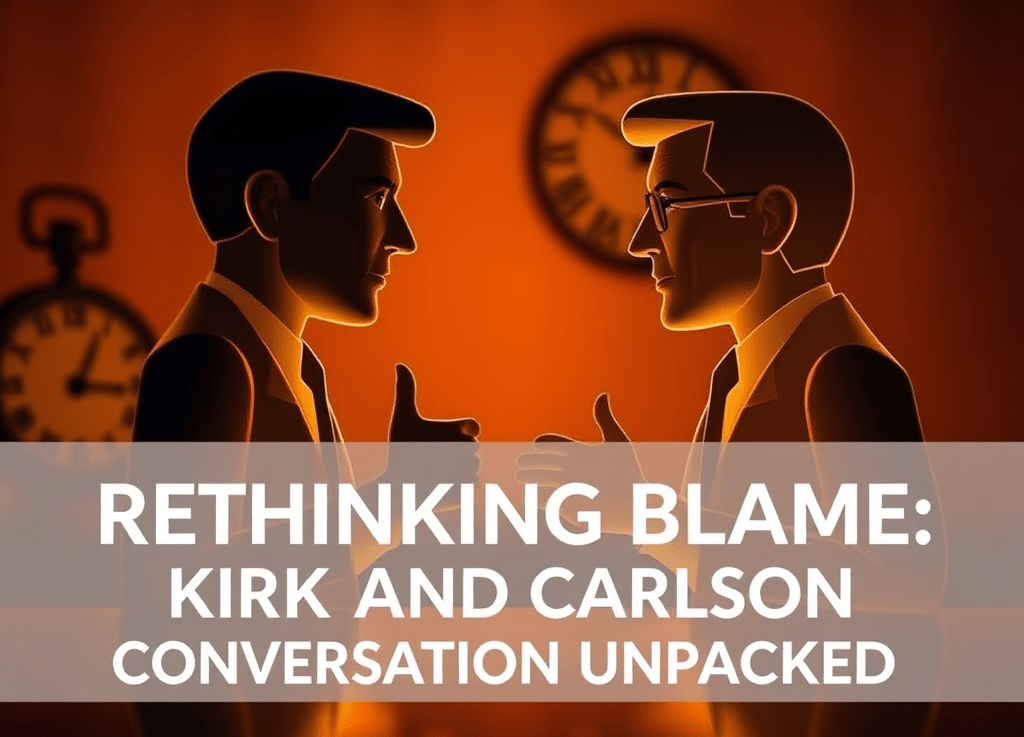
Rethinking Blame: Kirk and Carlson’s Conversation Unpacked

Rethinking Blame: Kirk and Carlson’s Conversation Unpacked

The recent interview between Charlie Kirk and Tucker Carlson warrants closer scrutiny, particularly in light of the significant influence both figures wield in shaping public discourse. While the conversation touched on a variety of topics, including generational blame, political strategy, and cultural values, it also revealed certain rhetorical tendencies and ideological positions that merit critical reflection and, perhaps, a reevaluation of their approach.


Generational Blame and Oversimplification

One of the central themes of the interview was the critique of Baby Boomers, with both Kirk and Carlson suggesting that this generation bears significant responsibility for the economic and cultural challenges faced by younger generations, particularly Gen Z. This argument, while provocative, risks oversimplifying complex systemic issues. As noted in the transcript of the interview titled “How Debt Has Radicalized Young America and Why Boomers Deserve the Blame”, Kirk and Carlson discuss how debt and economic inequality have disproportionately impacted younger generations, framing Boomers as a primary cause 

.While it is true that certain policies and decisions made during the Baby Boomer era have contributed to current economic challenges, attributing blame to an entire generation ignores the diversity within that cohort. Many Boomers were not in positions of power and faced their own economic struggles. Furthermore, systemic issues such as rising debt, economic inequality, and environmental degradation are the result of decisions made by individuals across multiple generations, not solely by Boomers. This kind of generational scapegoating risks alienating potential allies and oversimplifying the root causes of these problems.


Inflammatory Rhetoric and Its Consequences

Another point of concern is the tone and language used during the interview. Tucker Carlson, known for his provocative style, reportedly used inflammatory language, including a call to “lock those [expletive] up,” which was met with visible discomfort from Kirk, as noted in the interview. While Carlson’s rhetoric may resonate with certain segments of his audience, it raises questions about the broader implications of such language in public discourse.Inflammatory rhetoric, while effective in capturing attention, can undermine constructive dialogue and alienate individuals who might otherwise engage with the issues being discussed. It also risks reinforcing the very dynamics of power and division that Carlson and Kirk often critique. As public figures with significant platforms, both men have a responsibility to foster thoughtful and inclusive conversations rather than resorting to language that exacerbates polarization.


The Role of Self-Reflection in Public Discourse

Given the influence of both Carlson and Kirk, it is crucial for them to engage in self-reflection and consider the broader impact of their messaging. While their critiques of cultural and political elites often resonate with audiences who feel disillusioned or marginalized, they must also ensure that their arguments are grounded in nuance and avoid perpetuating division. For instance, Carlson’s reflections on religion and values, as highlighted in the interview, offer an opportunity to emphasize unity and shared purpose rather than focusing on blame or conflict.Moreover, Kirk’s role as a voice for younger generations could benefit from a more balanced approach that acknowledges the contributions and struggles of older generations while advocating for systemic change. By fostering intergenerational collaboration and emphasizing shared goals, Kirk and Carlson could help bridge divides rather than deepen them.


The recent interview between Charlie Kirk and Tucker Carlson provides a valuable opportunity to reflect on the role of public figures in shaping societal narratives. While their critiques of generational and systemic issues raise important questions, their reliance on oversimplification and inflammatory rhetoric risks undermining the constructive potential of their platform. A more nuanced and inclusive approach, grounded in self-reflection and a commitment to fostering unity, would better serve their audience and contribute to meaningful progress on the issues they seek to address.

Trump’s Late Night Iran Strategy: A Game of Diplomatic Whack-a-Mole

Trump’s Late Night Iran Strategy: A Game of Diplomatic Whack-a-Mole

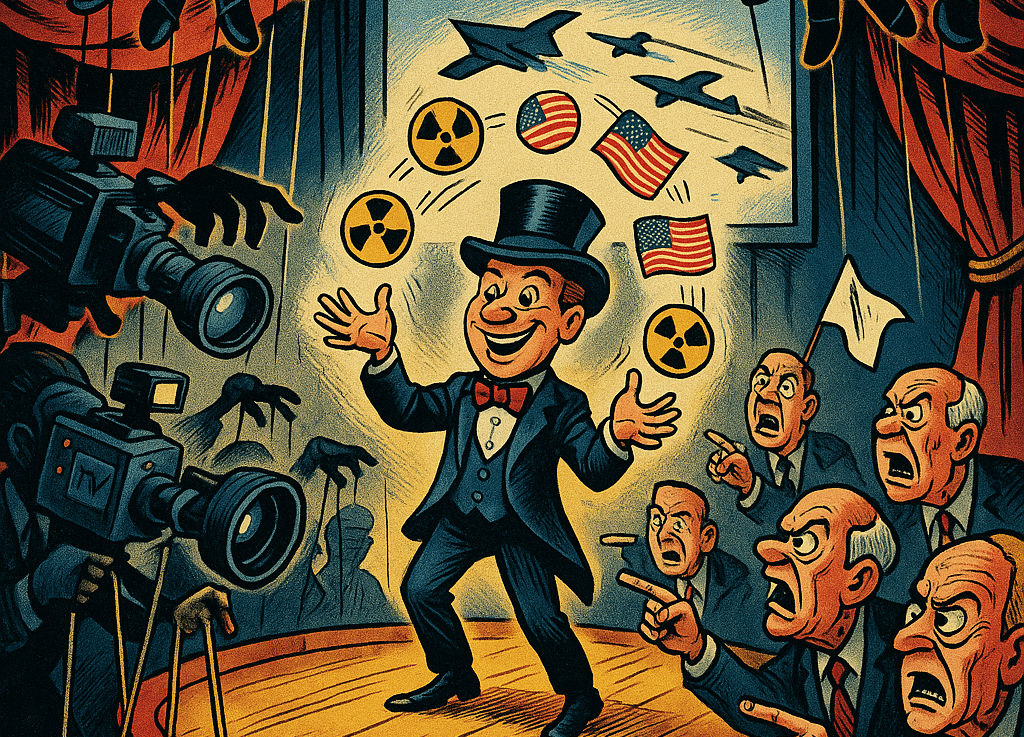
As many of you might have heard, the US, under Trump—yes, that Trump—decided to play a little game of geopolitical whack-a-mole and removed three Uranium enrichment sites in Iran on a Saturday night. Because, you know, nothing says “I’m serious about diplomacy” like a late-night raid.
Now, some folks might argue that Iran was just trying to save the planet with their proposed nuclear energy programs. You know, the same way a toddler thinks they’re helping by “cleaning” the house with a garden hose. Most of you reading this would probably just nod and say, “Bless your heart,” while secretly rolling your eyes.


I’ve said it before and I’ll say it again: we should pay attention to what people do, not just what they say. Talk is cheap, folks. Take the people crying foul over Trump not consulting Congress or the American people. Seriously? If they were in charge, they’d be the first ones waving a white flag and begging for mercy from anyone who hates this country.


Now, let’s talk about how this mission went off without a hitch—thanks to a little thing called secrecy. It was like a magic trick: “Now you see the B2 bombers heading to Guam, now you don’t!” Not getting permission from those who want to impeach Trump for merely existing? That’s the real sleight of hand.
Today’s media circus will be full of voices, both for and against. The naysayers will crank up the emotional tension, warning us that Iran, the world’s favorite sponsor of terror, is going to do something terrible. Spoiler alert: they always talk a big game, but their actions? Always violent and deadly.


Remember that phrase “speak softly and carry a big stick; you will go far”? Good ol’ Teddy Roosevelt popularized it to remind us that diplomacy is great, but a strong military presence is even better. Last night, we saw that principle in action. Appeasers? They’re always going to get screwed by the oppressors. It’s a fact of life, like taxes and bad hair days.


Had Trump notified Congress, those who’ve been bought off by our enemies would have been tipped off. You know, the ones who want him impeached? Yeah, they’re probably on the payroll of foreign governments. Treason is a real thing, and maybe we should consider bringing back public hangings for those convicted of it. Talk about a big stick!


So, these are my thoughts on the stupid shit that is political posturing and theater. Those who talk shit are just pandering to the mindless masses who gobble up whatever the media, bought and paid for by America’s enemies, dishes out. It’s all emotional leverage to manipulate the masses who want to believe in crazy shit—like the tooth fairy, flat Earth theories, and other absurdities that make for entertaining blogs about stupid shit.


Have a nice day!

More Stupid Shit

More Stupid Shit

and media manipulation

Vance Boelter, a man clearly not invited to the “Let’s Make Good Life Choices” seminar, decided one day to spice things up by dressing as a cop, strolling up to a Minnesota lawmaker’s house, and committing straight-up cold-blooded murder. Bold move, Vance. Bold, stupid-as-hell move.

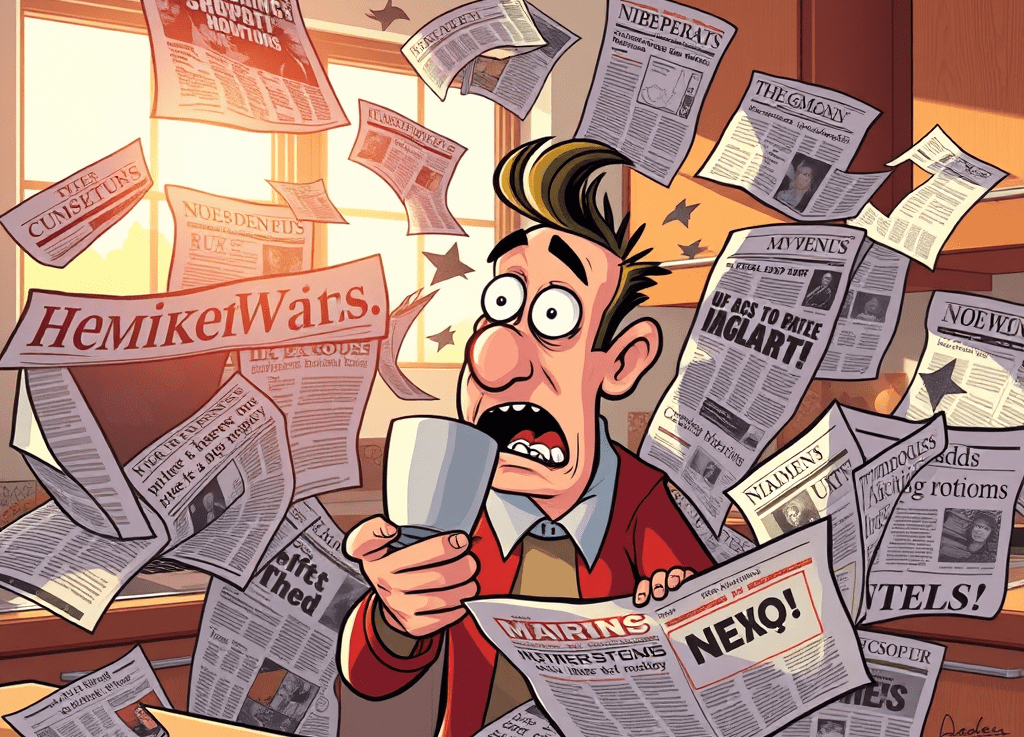
Now, as gruesome and shocking as that is, what really takes the cake here is the way Alexa—yes, Amazon’s Alexa—decided to break the news. Imagine walking into your kitchen, coffee in hand, ready to fight the soul-sucking Monday ahead, when your helpful little robot assistant pops up with:

“A murder occurred at the home of a Democratic Lawmaker. The perpetrator shot the husband and wife in cold blood.”

To be honest, the newsflash should have left out the word Democrat… Whoever writes this shit knows what they are doing and trust me, its deliberate.

Well, damn, Alexa. Way to brighten my day. That’s one hell of a headline to pair with my toast and jam. But you know what they didn’t mention? What they just conveniently left out? That Vance was… wait for it… a Democrat appointee, courtesy of Governor Tim Walz himself. Yeah, let that marinate. Tens of thousands of people see that vague little nugget of information and immediately start imagining some MAGA-hat-wearing lunatic foaming at the mouth. Because that’s what we do now: jump to conclusions faster than a squirrel on espresso.

Public Opinion: A Circus of Stupidity

This, ladies and gentlemen, is how public opinion is formed. Not with facts or nuance or even a shred of common sense. Nope. Just a headline and a whole lot of assumptions. And let’s be real here—critical thinking is about as popular these days as a Nickelback reunion tour. Nobody questions anything, nobody digs deeper. The media throws you a bone, and we all run with it like we’re championship greyhounds.

But wait! There’s more! Because, of course, there’s always more stupid shit to pile on top of the already steaming heap. Enter Alex Padilla, the guy who apparently thought it was a good idea to crash Kristi Noem’s press conference (because why not, right?). This same dude is now trying to tie these murders to Trump’s campaign. Yes, you read that right. The murders. Trump. Connected. Somehow. It’s like a bad game of Mad Libs where every blank gets filled with “Trump” because nobody knows what else to say anymore.

Why Are We Like This?

And here’s the million-dollar question: Why are tensions rising? Why is everybody so angry all the damn time? Well, buckle up, because here’s the answer—it’s stupid shit like this. The media stirs the pot with half-truths, people gobble it up without question, and before you know it, everyone’s picking sides and throwing punches. It’s human nature, sure, but it’s also human stupidity in its purest form.

So, there you have it. Murder, media, and a masterclass in how to divide a population. If this isn’t the poster child for my upcoming book, Stupid Shit, I don’t know what is. Oh, and if you’re still here, sign up for emails so you can snag the book on KDP when it drops because nothing cures the existential dread of living in a divided society like laughing at the sheer absurdity of it all.

Learn to ask questions and stop assuming shit.

-Scott

More Stupid Shit: Dia dos

More Stupid Shit: Dia dos

Ah, lawyers and politicians—the true thespians of our time. If there’s one thing they excel at, it’s political theater. And yesterday, Senator Alex Padilla took center stage for his 15 minutes of fame, delivering a performance that would make even the most melodramatic soap opera actor blush.

Padilla’s stunt at Christy Noem’s press conference wasn’t just about making a scene—it was about standing up for the real victims of society: the criminals burning cars in the streets. You know, the ones who are apparently just misunderstood artists expressing themselves through the medium of arson.

The Burning Car Chronicles

Speaking of burning cars, let’s talk about the absolute masterpiece of media spin happening in Los Angeles right now. During the recent anti-ICE riots, where vehicles were literally on fire and chaos reigned supreme, an ABC7 news anchor decided to channel their inner optimist.

“It’s just a bunch of people having fun watching cars burn,” they said, as if this was some kind of impromptu Burning Man festival instead of, you know, a riot.

Let’s break this down. Cars are on fire. Objects are being thrown. The city looks like the set of a post-apocalyptic movie. And yet, somehow, this is described as “relatively peaceful”. Because nothing says “peaceful” like the smell of burning rubber and the distant sound of someone smashing a window.

Padilla’s Role in the Circus

Enter Alex Padilla, stage left. Fresh off his press conference stunt, he decided to use his newfound spotlight to condemn ICE and, by extension, law enforcement in general. In his statement to the press, he dropped this gem:

“If this is how they treat a senator, how do you think they are treating Hispanics?”

Now, let’s be clear: ICE isn’t exactly winning any popularity contests. But Padilla’s attempt to tie his self-inflicted humiliation to the broader issue of immigration enforcement is nothing short of political theater at its most shameless.

Here’s the thing: Padilla isn’t wrong to criticize ICE. But let’s not pretend his little outburst was some brave act of defiance. This wasn’t about standing up for the oppressed. This was about getting airtime and scoring political points. And in the process, he managed to toss everyday Americans under the bus—again.

The Bigger Picture

This whole debacle is a perfect example of how we the people are manipulated. Politicians like Padilla pull stunts like this, knowing it’ll dominate the news cycle. Meanwhile, the media downplays actual violence and destruction, framing it as “fun” or “relatively peaceful”.

It’s all part of the same game: distract, deflect, and divide. While we’re busy arguing about whether burning cars is a valid form of self-expression, the real issues—like immigration reform, public safety, and economic inequality—get swept under the rug.

Final Thoughts

So, what did we learn from all this? Nothing. Absolutely nothing. Because this is politics, and politics is stupid. It’s a never-ending parade of bad actors, bad decisions, and bad takes.

In conclusion: yesterday was yet another day of stupid shit. And if the news out of LA is any indication, tomorrow will be more of the same. Stay tuned.

Oh, and don’t forget to follow me and sign up for emails—because, let’s face it, who doesn’t want more random shit clogging up their inbox? But seriously, I’m on the verge of unleashing my literary masterpiece, Stupid Shit, onto the unsuspecting world, and you’re not going to want to miss it. I’ll probably slap it on KDP (because I’m fancy like that), so all you Kindle-having, book-hoarding legends can read it, laugh your ass off, and then wonder why you willingly spent your time on this nonsense. Spoiler: it’s worth it.

-Scott

Trump Derangement Syndrome

Trump Derangement Syndrome

The news of another attempted assassination attempt on Trump made me nauseous.

The Keyword NEWS is the problem.

The excessive use of hyperbole, propaganda, NLP, and rhetoric to generate clicks and advertising revenue has become overwhelming. This nut job in Florida is just one more brainwashed lunatic that doesn’t understand the media has to sell airtime to advertisers and ratings are part of the formula that allows them to charge so much a second for you to learn about self-storage or the latest drug to combat your poor choices of foods.

Even today, after the attempt, Dana Bash is out there calling JD Vance a racist.

Do they not see, or do they not care?

Money is driving the agenda. What kinds of stories garner the public’s attention and make people click or tune in?

Way back when 30 seconds of airtime during the Super Bowl was a million dollars, that was probably a bargain by today’s standards. Imagine that: 30 seconds of airtime for a product during the Super Bowl was a million dollars and change.

If you remember the talking frogs advertising Bud Wis Er, well that was one of our commercials that my employer at the time created. Those commercials cost big money and were aired several times during the game.

To sell airtime, you needed something that drew lots of attention.

The Super Bowl is only once a year. How do we get higher ratings for the rest of the year? Well, we create a product that drives emotions. Trump Derangement Syndrome is a product. The stronger the emotional impact, the more people will tune in.

Hyperbole incites an emotional reaction.

  • If Trump gets in, the world is going to hell, our democracy is gone, and you will be living on the streets with the migrants.
  • If Harris gets in, the world is going to hell, our democracy is gone, and you will be living on the streets with the migrants.
  • The Sky is falling, how to survive a nuclear war, Climate Change will kill us all.

Emotional response not only invites people to tune in, but it incites the unstable into action.

Not a single word of what was mentioned holds any truth.

The simple fact is we have no idea who is controlling the country right now. It isn’t Biden and certainly not the cackling VP. Who is it? Who is setting policy? Who is keeping the country safe? Are your cats being eaten?

The media is not your friend. They are not telling the truth about anything.

If you could talk to Putin, you would learn a whole different set of facts about why he is doing what he is doing. RFK shined some light on it during his speech. Why is our CIA sponsering regime change when these folks have enough nukes to destroy the world 100 times over? What is the ultimate goal?

Are they really trying to reduce the world’s population by 33%?

Do they really think they can create a one-world government when you have so many diverse opinions, religions, ideologies, government structures, and so on?

What about the oligarchs that are pulling the strings? Sooner or later, one of them will claim God’s status, and then what happens?

If you could speak with the Ukrainians who are not pulling the strings, you would learn a new set of facts.

Someone is getting a hell of a lot of our tax dollars, and lots of human lives are being extinguished to feed the greed of a few.

We are puppets being taken to the cleaners by those who control the narrative. Do we really think the woman who slept her way into politics is the answer?

As far as the debate the other night, that was not a debate; it was an ambush.

Harris had been working with Hollywood’s best method acting coach to learn to put on a show. Knowing Trump and his temper, they ambushed him. All three wanted to get under his skin by attacking what he was proud of. Using opinion to fact-check him live, I noticed they didn’t fact-check Harris once.

  • Everything he says is a lie.
  • People leave your rallies because they are bored.
  • World leaders think you are a joke.
  • The economy was your fault, not ours.
  • We fixed immigration. It was you who destroyed it.

There is so much more I could say. The moderators agreed with these falsehoods. I am not sure I could have stood there and dealt with that abuse. If it were me, I would have flipped them all off and left. When he said it was a waste of time, it was, his.

While I don’t wish this lunatic who waited for a chance to kill Trump any peace whatsoever, I am glad he is alive so they can dissect what set him off. I am sure the MSM will play a massive role in the lies told that he accepted as the gospel. I am sure in his mind, he felt like he was doing the work of God Almighty saving Democracy.

One quick thought: name another president who left office poorer than when they went in. Name one other president who didn’t accept a salary.

We are not casting our votes for an individual; instead, we are casting our votes for a set of principles and policies. Trump’s were and are solid and much better than those of the current administration and the last 3.5 years.

We need to toss the assholes out and start fresh only voting for those who will enact term limits in Congress.

Thoughts?

Retiring is Stupid!

Retiring is Stupid!

Those were the words of one Elon Musk. Were they out of context? I hope so.

Should you retire?
The choice to retire is a personal one that depends on several factors, including financial stability, health, interests, and personal preferences. Here are a few significant points that should be considered.


To attain financial stability, one must possess ample savings, investments, or pension income to sufficiently cover one’s living expenses during retirement.


Now here is the rub: I don’t see Gen Z or even the Millennials preparing for retirement. What I see is them living for today and not planning for tomorrow. It’s almost as if they never heard of Dave Ramsey.


The simple fact is that many could not pull together $500 in case of an emergency. It’s true, and the credit card folks love it. If you save money, you know that .50% is about all you can get unless you adopt some high-yield account of 5.5%


Conversely, if you use a credit card, which many Americans do, the interest rate has reached an all-time high of 28.4% APR. We should ask why the current administration is allowing the fat cat bankers to do this, but we can deduce the reasoning.

This administration creates inflation, forces people to use their savings and borrow money, and allows bankers to raise interest rates to encourage predatory lending. I’m sure it’s all on the up and up.


I was curious about what it would cost to borrow $10,000 and repay the loan by making minimum payments. Are you ready for this?
The total cost of borrowing $10,000 at an APR of 28.4% with minimum payments is infinite.

The minimum payment is assumed to be 2% of the outstanding balance each month, a common minimum payment percentage for credit cards. Suppose the minimum payment is less than the interest accrued in a month. In that case, the balance increases, leading to a situation where the balance never decreases, and the total cost of borrowing becomes infinite.


Since they don’t seem to teach introductory economics or critical thinking skills, what are the chances of retirement? Is that why Elon says Retirement is stupid?


Health and wellness: Reflect on your existing state of health and the potential healthcare needs. The presence of a well-developed plan addressing potential health issues can enhance the comfort of one’s retirement. Until you are 65, health insurance is a budget killer. The sad fact is that many companies will not hire older Americans. By older I mean over 50. Yeah, I know the HR bit about not discriminating, but trust me, they do. Getting a job over 50 is doable, but not for the average Joe.

Your track record must be exceptional and free from the embellishments often found in contemporary resumes.

Playing video games is not a career move, nor would it impress a boss who needs someone with critical thinking skills. Unless you are a developer of such games, turn off the game and get your hands dirty.

It’s not enough to have funds or adequate health to retire. What will you do when the day of the week no longer matters?


All too often the day and time of the week only matter to retired folks when a medical appointment is looming. That’s a sad fact, stay healthy.


Consider your interests and hobbies when contemplating how you would prefer to allocate your time during retirement. Certain individuals may enjoy pursuing hobbies, traveling, or engaging in volunteer work, while others may prioritize spending additional time with family or friends.

The ability to lead a satisfying life post-retirement may be contingent upon preserving social connections and actively participating in social activities.


If one derives pleasure and contentment from their occupation, they may pursue part-time employment or a more flexible role. Consulting is a frequent option until the consultee gets what they need from your head and no longer requires your expertise.


The company typically lacks loyalty towards its employees. A paycheck is owed to you for the job or duration of service completed. That sums it up. It can be pretty difficult to accept when you put forth your utmost effort for the company only to have them opt for a more cost-effective alternative. When setting goals, consider yourself and the needs of your family first.


Ultimately, the decision to retire should be based on a thorough evaluation of your financial, health, and personal circumstances. It’s essential to weigh the pros and cons and make a decision that aligns with your goals and priorities.

With inflation, remember that the million you thought you had in the bank now has substantially less purchasing power than what you think you have. If trends continue, you might be in real trouble.


We should discuss the G-word here: Goals. If you have been successful, you are most certainly familiar with goal setting by now.


It would be best if you were goal-setting now, even forty years away from retirement. We do this for several reasons. One of them is setting an example to our progeny. They are watching. They absorb everything you say and do like sponges.


You don’t want to be the grandparent or parent who writes checks to cover your kids’ or grandkids’ bad decisions, sacrificing everything you worked for to bail them out of their bad choices.


I watch them and talk to them, and I must tell you that very few of them have a grasp on reality. It’s almost as if the video games that steal so much of their waking hours are their reality.


If you want to give them a dose of reality, kill the power so that even the smartphones will not work. That topic deserves a book but unless it was in the form of a video game they would most probably never know of its existence.


Your final goal is to run out of money and life simultaneously. When you slide into the home plate (the grave), have it paid for in advance. Whatever your residual is, is what it is. If you teach your children right, they won’t be counting on your investments for their retirement.

Should you retire?
Stress comes out of your hide. Those gray hairs and wrinkles are badges of honor and a price paid for being the best you could be.


In a future blog, I want to explore the subject of jobs. What should you or your child focus on for a career choice? Is college the only way to go?

Stay tuned, follow and comment.

In case you’re new to this blog…I am a writer.
With several works in process.

My books are here, and your support is always appreciated.

-Best