What happens when you stop choosing sides in the great writing debate and embrace the chaos and the structure? You get what I like to call a Planster — and it just might be the most productive approach to writing you’ve never tried.
The Pantser Days
When I first started writing, I was a pure stream-of-consciousness writer — much like Stephen King, who famously describes his process as uncovering a fossil, brushing away the dirt one sentence at a time. I’d sit down, let the words pour out, and trust the story to find its own shape. There was a raw, electric energy to writing that way. The surprises my characters threw at me were my surprises too.But here’s the thing about pantsing: for every story that found its way to a satisfying ending, there were others that wandered into dead ends, spiraled into subplots that led nowhere, or simply ran out of steam halfway through. I had hard drives full of half-finished manuscripts collecting digital dust — stories with heart but no spine.
The Shift to Plotting
Eventually, I began studying story structure — the beats, the arcs, the underlying architecture that makes a narrative work. I dove into frameworks like the three-act structure, Save the Cat, and the Hero’s Journey. I learned about inciting incidents, midpoint reversals, dark nights of the soul, and satisfying climaxes.And suddenly, I understood why some of my old stories had stalled. They had voice. They had characters I loved. But they were missing the bones that hold a story upright.So I became a plotter. I outlined. I structured. I mapped every scene before writing it.And something was lost.The outlines were solid, sure — but sitting down to write a scene I’d already planned in detail felt like retracing someone else’s steps. The spontaneity, the discovery, the magic of pantsing had dried up.
The Planster Revelation
Then a thought hit me: What if you plot the structure but pants the beats?What if, instead of choosing one camp or the other, you used story structure as a roadmap — just the major landmarks, the critical turns — and then let your pantser brain run wild between them?That’s the Planster method in a nutshell:
Create a beat sheet. Identify the key structural moments your story needs — the hook, the inciting incident, the first plot point, the midpoint, the crisis, the climax, the resolution.
Know your destination for each beat. Understand what needs to happen at each structural turn and why it matters.
Pants everything in between. Let the characters breathe. Let the scenes surprise you. Let the dialogue flow the way it wants to. Trust your creative instincts to fill the space between the signposts.
You get the reliability of structure with the energy of discovery. The bones are there, but the flesh is alive.
The Proof Is in the Publishing
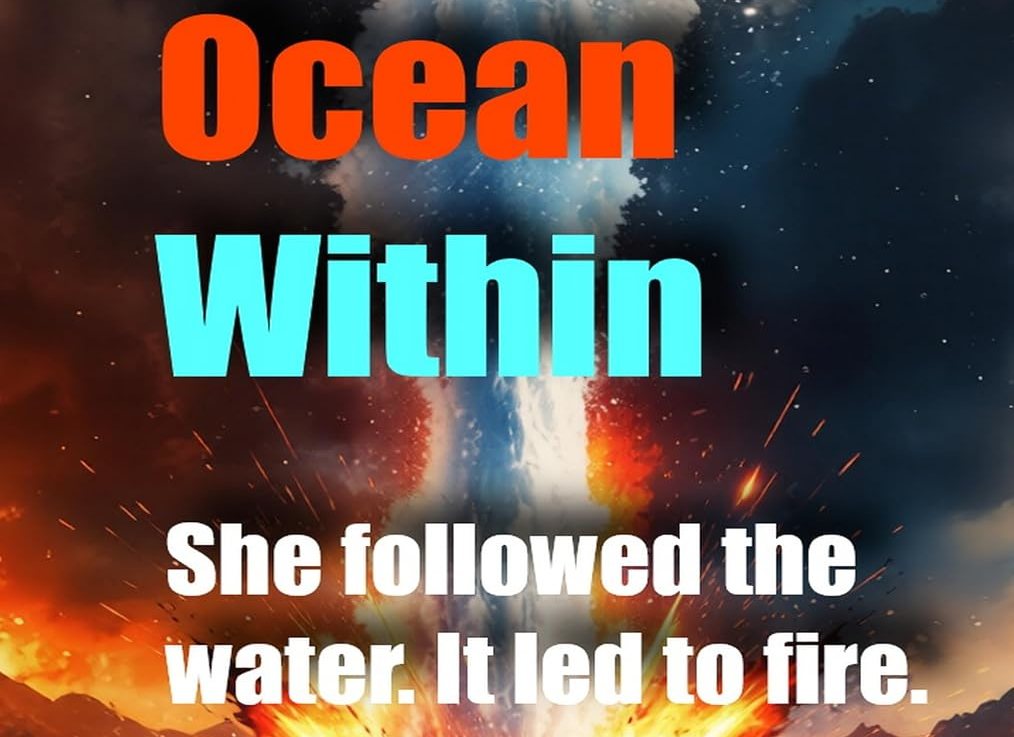
I decided to put this method to the test — not with a brand-new idea, but with those old stories buried on dusty hard drives from my pantsing days. Stories that had voice, had spark, but had never found their shape.I pulled three of them out, built beat sheets around their cores, and then pantsed my way through the beats.The results? Three completed novels in a fraction of the time it would have taken me using either method alone:
📖 Written in Skin — published on Amazon
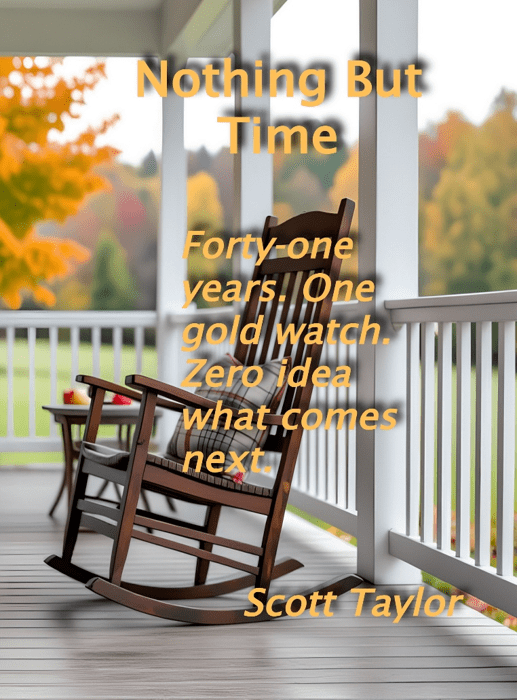
📖 Nothing But Time — published on Amazon
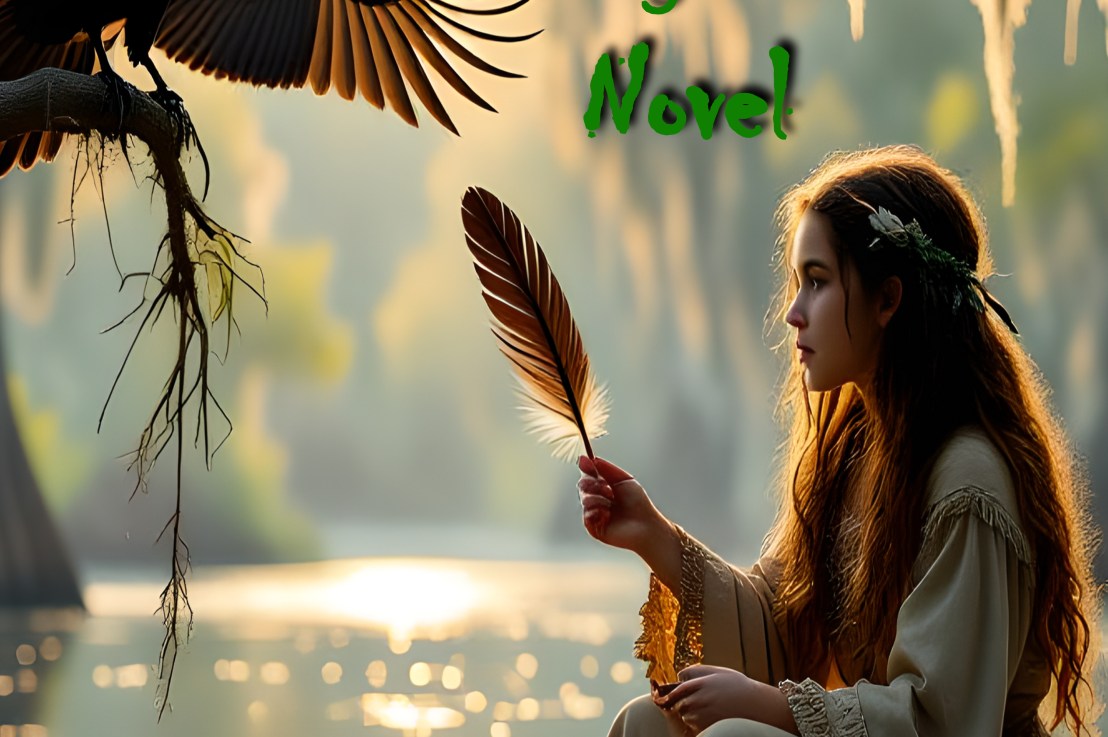
📖 The Girl Who Broke Everything — coming soon
Three abandoned stories. Three finished books. That’s not a fluke — that’s a process that works.
Why the Planster Method Works
Structure prevents you from getting lost. You always know where you’re headed next.
Pantsing keeps the writing alive. You’re still discovering the story as you write it — just within guardrails.
It’s faster. You spend less time staring at a blank page and less time rewriting entire drafts that went off the rails.
It resurrects old work. Got abandoned manuscripts? They might just need a skeleton to stand on.
Are You a Planster?
If you’ve ever felt torn between the freedom of pantsing and the security of plotting, give yourself permission to be both. Grab a beat sheet template, sketch out your structural landmarks, and then let yourself fly between them.You might be surprised how many stories you’ve already started that are just waiting for the right structure to finally be told.
Have you tried the Planster method? Got old manuscripts collecting dust? I’d love to hear about your experience — drop a comment below or find my published works, Written in Skin and Nothing But Time, on Amazon. And keep an eye out for The Girl Who Broke Everything, coming soon.
A Tiny, Totally Non-Desperate Plea From Your Friendly Neighborhood Author
If you enjoyed this post — or even if you just tolerated it with mild amusement — I have a few small, completely reasonable requests:1. Share this post. Hit that share button like it owes you money. Text it to a friend. Email it to your mom. Print it out and leave it on a stranger’s windshield. I don’t judge distribution methods.2. Spread the word. Tell people about this blog. Whisper it in crowded elevators. Mention it casually at dinner parties. Skywriting is also acceptable.3. Buy a book. Look, I’m not starving. Let’s not be dramatic. But I am a coffee-dependent creature with a very real and very expensive caffeine habit, and those lattes aren’t going to fund themselves. Every book purchase keeps a moderately-fed author adequately caffeinated and typing away at the next thing you’ll (hopefully) enjoy.So if you’re feeling generous, kind, or just impulsive enough to click “Add to Cart” — I salute you, you beautiful human.☕ Keep the coffee flowing. Keep the words coming.
Let us speak of something that has been troubling me, and likely many of you, about the writing contest industry. It is a thing that hums beneath the surface of our submissions like a second heartbeat we have learned to ignore.
The Business Behind the “Opportunity”
Here is the hard truth, plain as the words that appear unbidden on a blank page at three in the morning: writing contests are a money-making business. There is nothing altruistic about the companies that hold them. They rely on your ego, your dreams, and your hope to willingly surrender that entry fee for a chance at recognition. The fee slips from your fingers like sand, like memory, like the last line of a poem you swore you would remember. Sound familiar? It should. This strategy is not new. The lottery counts on your optimism (and perhaps your misunderstanding of probability) to keep buying tickets. Vegas has built an empire on this exact psychology for generations. Writing contests? They are playing the same ancient game, only dressed in literary clothing, their true nature hidden behind promises that shimmer and shift like heat rising from summer pavement.
My Real Frustration: The Silence
What bothers me most is not the business model itself; everyone needs to make money. It is the complete lack of engagement with the work we submit. Our stories vanish into the void, swallowed whole, and we are left listening for an echo that never returns. Is it too much to ask for some modicum of evidence that someone actually read our stories? Even the smallest bit of feedback would transform the experience:
“Your opening didn’t hook me.”
“Did you read the prompt?”
“Strong voice, but the pacing faltered.”
These words, however brief, would be enough. They would prove that our stories had weight, that they existed somewhere beyond the submission portal, that they touched, however briefly, another human mind. With platforms like Reedsy, I understand that a five-dollar entry fee is not breaking the bank. But still, is it really too much to ask for something in return beyond silence and a form rejection? The silence is its own kind of haunting. It lingers in the inbox, in the space between refreshing the page and accepting, once again, that no reply will come.
The Bottom Line
We are paying for a service. Should that service not include at least a sentence of human acknowledgment? A single line to prove that our words, however flawed, were witnessed? Tell me your thoughts in the comments below. Am I asking for too much, or is it time contests stepped up and broke their long, strange silence?
Tonight I read a story for comments from my writers’ group. One person stopped listening and rolled their eyes when the word Dragon was spoken. The dragons are a metaphor for those who resist government overreach. The story was inspired from a prompt on the Reedsy website. There is a link below if you want to see the story for yourself. It is short and enjoyable if I say so myself…
What if the most valuable critique you ever give is on a book you’d never buy?
Writers are often told to find critique partners who “get” their genre. But the reality of writing groups, workshops, and beta swaps is messier. Sometimes you’re handed a cozy mystery when you live for grim dark fantasy. Sometimes you’re reviewing a picture book manuscript, and you haven’t interacted with a five-year-old in years.
Does that make your feedback worthless? Not even close—if you know how to give it.
The trick isn’t pretending to be something you’re not. It’s learning to separate what’s broken from what simply isn’t built for you. Here’s how to offer meaningful, respectful critiques—even when the story was never written for someone like you.
Acknowledge Your Position First
The most important step is transparency. Before diving into your feedback, tell the writer:
“I want to be upfront—I’m not typically a reader of [genre/age category]. I’ll do my best to evaluate the craft, but please weigh my feedback with that in mind.”
This simple disclaimer does two things:
It helps the writer contextualize your opinions
It keeps you accountable to critique fairly rather than based on personal taste
Separate Craft from Preference
Even if you’re not the target reader, you can still evaluate fundamental craft elements that apply universally:
What you CAN critique objectively:
Clarity – Is the prose easy to follow?
Consistency – Do characters behave consistently? Are there plot holes?
Pacing – Does the story drag or rush in places?
Dialogue – Does it sound natural and distinct for each character?
Structure – Is the narrative arc clear?
Grammar and mechanics – Are there technical errors?
What you should be cautious about:
Tropes common to the genre (they may be expected, not flaws)
Tone or content that feels “too much” for you but fits the audience
Subjective style choices that serve the intended readers
Ask Questions Instead of Making Declarations
When you’re uncertain whether something is a flaw or simply “not for you,” frame your feedback as questions:
Try: “Is this level of romantic tension typical for your target readers? It felt heavy to me, but I recognize I may not be calibrated for the genre.”
This invites dialogue rather than shutting down the writer’s choices.
Research the Target Audience
If you’re committed to giving useful feedback, do a little homework:
Read a few popular titles in the genre or age category
Look at reader reviews to understand what fans love and hate
Ask the writer who their ideal reader is and what comparable titles they’re targeting
This context helps you distinguish between “this doesn’t work” and “this doesn’t work for me.”
Focus on the Reader Experience You Can Assess
Even as an outsider, you’re still a reader. You can report your experience without declaring it universal:
“As someone unfamiliar with this genre, I found the magic system confusing at first. Intended readers might follow it more easily, but you may want to check if the explanation is clear enough.”
“I wasn’t sure if the pacing in chapter three is intentionally slow for atmosphere or if it might lose some readers.”
This approach provides data to the writer without presuming authority over their audience.
Know When to Step Back
Sometimes the most helpful thing you can say is:
“I don’t think I’m the right person to evaluate this aspect of your story.”
If you actively dislike a genre or feel unable to assess its conventions fairly, it’s okay to limit your feedback to craft basics—or to recommend the writer seek a critique partner who better matches their audience.
Final Thoughts
Critiquing outside your comfort zone can actually make you a better reader and writer. It forces you to examine why certain choices work for certain audiences and sharpens your understanding of craft versus taste.
The golden rule: Critique the story the writer is trying to tell, not the story you wish they had written.
When you approach feedback with humility, curiosity, and respect for the intended audience, your critiques become genuinely useful—even when the book was never meant for you.
I took a short story and turned it into a full fledged novel. If Dark Romance of the Vampire type is your thing, look no further.
How far would you go to save someone who’s already stolen your heart?
The painting had always hung in the east corridor, though no one could say precisely when it arrived. It existed the way certain old things do: quietly, with the certainty of having been there longer than the walls themselves. It was not supposed to matter. And then, one October evening, it did.
Peter Thomas had taken the night guard position for ordinary reasons. A young art student with empty pockets and a reverence for beauty, he believed that proximity to masterpieces might teach him what textbooks could not. He did not anticipate the portrait of the woman in the guilded frame, nor the warmth that radiated from her canvas on cold nights, nor the way hunger could live inside oil and pigment.
The painting breathed. This was not metaphor.
As Peter wandered deeper into the museum’s shadowed galleries, he uncovered the story of Vanessa, a king’s daughter folded into gold leaf and varnish by an ancient curse, and the vampire who had spent centuries whispering promises of liberation through the lacquer. But freedom required an exchange: one living soul for another. Under October’s blood moon, Peter understood what the portrait had been asking of him all along.
Caught between a love story older than memory and the quiet horror of Vanessa’s imprisonment, Peter faced an impossible choice: his life, or hers.
For readers who cherish Crimson Peak, The Picture of Dorian Gray, and stories where love and sacrifice blur into haunting beauty, The Girl in the Guilded Frame invites you through a door that cannot be closed.
How far would you go to save someone who has already stolen your heart?
Imagine this: Just a few weeks back, I poured my heart into a story for a contest, a challenge sparked by a single, piercing prompt:
“Center your story around someone who’s tired of always being second best (or second choice).”
Now, pause for a moment.
Have you ever felt the sting of being overlooked? The frustration of putting in all the effort, only to watch someone else bask in the spotlight that should have been yours? If you’ve ever been the one doing the heavy lifting, holding everything together while credit slips through your fingers, then this story is for you.
Don’t Block the Light
They say her name, and the room detonates; applause ricochets off glass, off my ribs. I clap too, because that’s the rule when you’re paid to be second.
Priscilla skims to the front, hair catching the lights like a net of gold, heels fluent as a second language. She sells my dragons like she felt their heat first, like her fingerprints are pressed into every scale. The author leans in, hungry. The publicist beams, blinding. “Brilliant,” the client breathes, and my coffee-stained notebook stays shut on my lap, warming my thigh like a secret I don’t dare open.
I hold the smile that keeps meetings smooth and credit slippery. Her perfume hits before her words do, a soft, expensive fog that coats my tongue. I listen for my name, for a glance, a nod, any thin thread. The silence has perfect posture. I swallow the word that claws its way up, “mine.”
I know this choreography: keep the pitch in the air, juggling what no one can see, while someone else steps into the light and takes the bow. My palms sting from clapping. My chest hums with the dragons I birthed and cannot name. And still, I clap.
They’re lauding her pitch when my mind rips backward. Applause smears into a gym’s roar. I’m sixteen, the air tastes like rubber and dust; the lights are cruel; the floor is a mirror for every mistake. Match point. The ball sails long; I dive—knee slams. Pain blooms white. My palm finds leather, just enough to keep it alive. I’m still on the floor when the pretty blonde rises, arm a guillotine, and hammers it home. The crowd explodes… for her.
After, the coach presses the game ball into her hands. “We did it,” she says. I nod and swallow the word we, thick, chalky, like it might scrape me raw all the way down.
The conference room snaps back into focus. Priscilla wears that practiced, cheerleader-bright glow, teeth, lashes, shine, until someone asks how she came up with the idea. A hairline crack of panic splits her face. Her eyes hunt for me; I fix my stare just past her shoulder, gifting her nothing but air.
“Jamie and I were talking about it. Do you want to tell them what we were thinking?”
We, she says. Bullshit. It was me. But I’m paid to be part of the team, not the star; the chorus, not the solo. I clear my throat. The author leans in—the publisher stills. Perfume drifts. My pulse ticks like a metronome for a song only I know. The dragons kick against my ribs.
I glance up, let the silence tighten like a net, and hold it—right before I speak.
I clear my throat. The room stills.
“Dragons are about being chosen, and choosing. Adoption is the key.”
I let that settle, let their chests open for it.
“The idea is to hatch your dragon. A fast, intimate quiz: what scares you, what do you guard, when do you burn. It matches each reader to a dragon from the book. They get a named digital egg and a keeper’s guide.”
I can feel them leaning in.
“For seven days, the egg warms. Short messages in the hero’s voice, in the dragon’s voice—belonging, anger, shame, bravery, love. The art darkens as the shell thins. Day five: a ten-second whisper. And on launch day, the egg cracks in AR. Lift your phone and your dragon unfurls across your room, leaves a scorch trail to buy, plus a dragon-type-only chapter.”
A pause. A pulse. I keep going.
“IRL: indie shops give foil ‘scale’ stickers. Show your hatch, get a scale. Collect three; a heat-ink code appears and unlocks a city map of secret roosts, murals, chalk sigils, and window clings, leading to prizes and a midnight Hatch Night projection where a dragon climbs the bookstore. Every hatch funds a school library.”
I let a smile find the edge of my mouth.
“Creators hatch early on BookTok and name theirs on camera. Tagline: Claim your fire.”
If they need the jargon, I hand it to them, palm up.
“If you prefer, call it omnichannel. I call it the click in your chest when the egg breaks and the feeling of being chosen washes over you. I understand that emotion.”
I meet the author’s eyes. Then the publisher’s.
“We should present it to them. We create the app. Users subscribe. If they gather enough virtual eggs, they’re rewarded with a discount code for your book. Meanwhile, participating bookstores are suddenly bustling. More feet, more hands, more heat. Tell me, what store refuses to stock the book everyone is crossing town to hatch?”
Priscilla’s smile held; her eyes cut like I’d let something loose. Heat from the lights on my face; a colder heat from her stare.
“I sketched the initial concept,” I say—five thin words. I open the old sketchbook—coffee rings, pencil ghosts—and Blair, the author, glances at me and smiles.
The publisher looks to Blair. A smile spreads, catches, multiplies. Nods land. The room clicks into yes. The deal is done. Blair and I make eye contact, a silent chord that says more than it should.
Priscilla’s glare blades across the table. Someone corrals us for a photo, shoulders touching, flash primed. The feeling of being caught doing something wrong rises from the pit of me. Did I say too much? Should I have handed it back, gift-wrapped, with her name on the tag?
The practiced smile slides on; my cheeks burn under it. The taste of pennies blooms—regret already shaping the word sorry.
I feel the apology rise, muscle memory. Give it back. Say we. Say Priscilla. Make yourself smaller; fit better. My tongue touches the word, and I swallow it hard.
I see the notebook: coffee rings, midnight sketches, the spine of the idea forming under my hands. Mine.
Her eyes say too much. My palms press together to stop the shake. Maybe this is it—finally enough to hear my name, even if only inside my own head. I hold it there, a small, stubborn ember no flashbulb can burn out.
I trailed the client into the hallway, applause still echoing like it belonged to someone else’s life. Priscilla slid past close enough for her perfume to touch my tongue, then her shoulder clipped mine—sharp, deliberate. My cup jerked. Coffee jumped. Heat slapped my white blouse and bled fast, a brown bloom across my chest.
“Sorry” rose out of habit, like I should apologize for straying into her orbit. I bit it back. She didn’t look over her shoulder. The click of her heels said everything: I’d talked too much. I’d forgotten to stay small. I wasn’t the pretty one.
Dan saw. He stopped mid-step, eyes dropping to the stain, then back to my face. The world tilted. Someone had witnessed the part where she shines, and I clean up. Heat crawled up my neck: coffee, humiliation, and something fierce that’s tired of swallowing itself.
I pressed my thumb into the cup, breathing through the bitterness. Dan’s gaze held—steady, alert. Not pity. Something worked behind his eyes, a shape he hadn’t spoken yet. He knew it wasn’t an accident. His mouth was tight, like he was holding a word between his teeth, something that could turn this into more than a stain, if I let it.
“Why don’t you take the rest of the week off?”
I didn’t know what to think, so I nodded, automatic, obedient. Maybe he knew a brown stain doesn’t just disappear. Perhaps he was offering me comp time before the cut, a soft edge to a harsh reality. Comp time before firing me. The thought flicked its switchblade open.
Her gaze lingered long enough to watch the coffee seep, the dark spreading fast across my white blouse. She grinned, a small, satisfied crescent that said I had it coming. Maybe I did. That’s a lie, I know by heart.
Dan didn’t want the odd one out. That’s what I heard in my head. The stain made me louder than I’m allowed to be. Priscilla made sure no clients were close enough to overhear; she scanned the corridor like a director protecting a brand. She was a vibrant splash of color stepping out of an advertisement, all gloss and glow, and I was the matte background that sucked in light.
Under the fluorescents, I could feel every imperfect edge of myself: the flyaway hair I’d smoothed twice, the scuffed heel on my sensible shoes, the blouse I bought on sale now wearing its stain like a name tag. I wasn’t the poster girl. I was a smudge on the poster.
Dan’s eyes lingered for a second too long, and I caught the unspoken memo: clean lines, clean faces, clean stories. I’m good at disappearing on cue. I folded my shoulders in, pressed the cup to my chest like a shield, willing the brown to stop blooming, telling myself to move, fix, be easy, anything but visible.
Before I could turn away, I caught Blair’s eyes. Brief. Bright. Not pity. A different meaning, a secret kept behind his teeth. Something like a door, neither open nor closed. A promise, or a plan. A look that said: this moment can be more than a stain, if you let it.
Priscilla’s laugh follows me down the hall, bright and hollow, like ice in a glass. I don’t have to turn to see her leaning in, voice dipped in honey, the others chiming all the right words—brilliant, inspired, visionary—like a chorus that only knows one name.
I hit the side door with my shoulder. The metal bar is cold; the air beyond it is hotter, heavy with exhaust and summer. The door thuds shut behind me, cutting off the performance mid-applause. My blouse has dried into a stiff shell where the coffee hit, a brown, uneven blotch blooming over my chest.
Out in the parking lot, my brain does what it always does to keep me from crying—it writes.
A kids’ book, simple enough for small hands to hold without it hurting too much. A girl with black pigtails, me, really in a too-starched uniform, knees scuffed, shoes half-size too big. She carries hot chocolate instead of coffee, careful as a tightrope walker. And a glossy-haired princess swings a backpack just wide enough to tip the cup.
The cocoa blooms brown on white. That high, tinkly laugh names you second before anyone votes. Teachers don’t look. The girls shrug. You stare at the stain and decide you’re the mess.
In your room, there’s a corkboard of second-place ribbons like a constellation you never asked for, chocolate rings ghosting the corners of worksheets, and you practicing small—shoulders tucked, breath quiet. The book gives you what I didn’t have: a voice that doesn’t apologize. You’re not the spill, kid. You’re the one who keeps getting up.
The mean girls? Peacocks in cardboard crowns, noise and shimmer that only gleam in borrowed shadow. You learn to steady your cup when they bump you, to wear the stain like a map that says I was here. Don’t shrink to be their wind. You’re the eagle, spread your wings. Hot chocolate in both hands. A real smile, not because the room demanded it, but because you know you don’t have to disappear to matter.
Out in the sultry parking lot, the only cheering is the rattle of the HVAC and a distant car alarm. I stood on oil-slicked concrete and let myself breathe, the taste of her perfume finally lifting off my tongue.
Inside, she’s winning them. I’m the echo that left the room, so no one had to hear it. I tell myself I’m getting fresh air. Mostly, I’m getting out of their way. And I can already see Monday: my things in little brown boxes, stacked neatly, the whole of me slid into the back of my car like I was never here at all.
I don’t sleep. Instead, I rehearse losing my job. Every time I close my eyes, I see Dan’s mouth flatten, hear myself saying too much, watch Priscilla’s smile slice four a.m. to ribbons. By then, I’m at the kitchen table in yesterday’s blouse, scrubbing at the ghost of coffee like I could scrub the night out of my head.
The rest of the week plays the same loop. I circle job listings in the paper with a dull pen while I polish my resume, swapping verbs, sanding edges. I tell myself I’m better than this, better than office politics, and repeat it until the words go tinny in my mouth.
On Monday, I arrive early. The office is a hush, the empty halls a place I can hide in. The garage hums; rain ghosts the air, threading itself through the thick smell of oil. My hatchback exhales into its familiar, sunbaked spot. I walk past the RESERVED placards like a gallery of names I don’t belong to, eyes down, counting steps, averting my gaze until the end of the row.
Her space was empty.
No red sports car gleaming under the soft lights like a trophy. No wink of vanity plates. Just a clean rectangle of concrete and a painted sign above it—Reserved—MVP—staring back like a punchline missing its laugh.
I stopped breathing. Such a small thing, a gap where she should be. But it felt like standing in front of a mirror and not seeing the person who always takes center stage. Late? Sick? Called in early to be crowned again? Fired, a wild part of me whispered, and hope flared so fast it scared me. I don’t think that way, not really.
I pressed my palm to the cool pillar until the heat in my face drained off. Don’t be stupid, I told myself. Empty doesn’t mean anything. Titles shift. People are late. I’m the one who gets fired in this story, remember?
Still, as I walked toward the elevator, the garage sounded different. The quiet didn’t echo with her. For the first time since last week, my chest loosened enough to let a full breath in. I slipped into the elevator before the feeling could notice and run.
Turning the corner, the long hall humming with tired fluorescents, I was already rehearsing how to make myself small. Then I saw it, right there on my desk—a clear glass vase. A single red rose lit up like a stoplight in the gray of morning, its stem needled with thorns, its bloom loud as a heart.
WTF. For a beat, I think I’ve wandered to the wrong workstation. My chair. My mug. My stack of marked-up briefs—and then the rose, impossibly bright, siren-red in a clear glass vase. A folded card leans against it. My name is on the front. My name.
I glance over my shoulder, expecting a camera crew or Priscilla’s laugh snapping shut around me. Nothing; just the copier grinding itself awake somewhere down the corridor. My fingers tremble as I slide a nail beneath the fold and open the note.
“Jamie, it was clear that you were the brainchild behind the campaign for my book after you left. I look forward to working with you, even if your teammates don’t appreciate you, I do.” — Blair Thomas
I read it twice. A third time. As if the ink might evaporate if I blink too hard. The paper is heavy, expensive, like proof you can hold. Heat climbs my throat, the kind that warns tears are loading whether I’ve granted permission or not. I press my thumb hard into the card’s edge until the sting steadies me.
Someone finally saw me. Not a coworker doing damage control, the author, the prize they were courting, while I ghosted through the side exit, coffee bleeding through my white blouse, sliding warm over my ribs toward my belly.
Inside me, the girl with hot chocolate and scuffed knees stands up a little. She squares her shoulders. She lets the smile happen, not because the room asked for it, but because it turns out my name sounds different when I say it to myself and believe it.
My first instinct was to hide it. I slid the card half under my keyboard, pulled it back out, then tucked it into my planner like a secret I wasn’t ready to let the light touch for long. I could already hear the spin if this got around. I could already see Priscilla’s mouth curdle at the edges. But for once, the fear didn’t sweep the table clean. It just sat beside the rose and made room.
I leaned in and breathed the rose. It smelled like something I couldn’t name—like a door opening. The empty spot in the garage flashed through my mind. The way Dan’s eyes had held mine. The hours I’d spent rehearsing the script where I was told I was too much.
Maybe I was. Maybe too much is exactly what it takes to finally be seen.
I straightened the vase, smoothed the corner of the note, and sat down. The chair felt different under me, as if it had been mine all along and I was only now letting myself believe it.
By noon, certainty unraveled. The rose looked like a mistake again; the note read like a fever dream. Then Dan pinged: “Got a minute?” My stomach did the trapdoor thing. I followed him past the bullpen, past the glass where I usually catch my small reflection, down the hush of the executive row. He stopped at the empty office next to his—the one everyone called the waiting room for gods.
The lock chirped. He opened the door and held out a keycard. “You’ll need this.”
The thin plastic was heavier than it should have been. It lay on my palm like a new word I wasn’t sure I was allowed to say yet. My pulse climbed into my throat. The rose’s red burned in my periphery, a stoplight turned green. I didn’t ask what for. I just felt the floor of my old story tilt, and the next one open.
I waited for the after, for the neat sentence that would put me back where I belong. Instead, he said, “Blair’s publisher called at eight. They want to scale your concept across their list. We’re building a dedicated group to do author campaigns. I want you to lead it.”
For a second, all I could hear was gym noise from another life. Match point. My knee hitting the floor. The cheer going to someone else. My mouth went dry. “Me?” It came out small and hoarse, a kid asking if the grown-ups mean it.
“You,” he said, like it was obvious. Like it had always been obvious.
He walked me through the space—where my team would sit, the whiteboard we’d crowd with ideas, the budget I’d sign off on. I nodded like I knew how to carry a room with my name on the door. Inside, the girl with the pigtails stared at the keycard in my hand and didn’t dare blink.
An hour later, Facilities emailed: Parking Reassignment. I took the elevator down just to prove it wasn’t a joke. The MVP spot wasn’t an empty rectangle anymore. A temporary placard was taped over the old sign. My name. Spelled right. I touched the paper like it might smudge, like names only belong to other people.
Back upstairs, I sat in my new office with the door half-open, the rose on the windowsill, the note tucked where I could see it if I needed proof. The publisher liked my idea. We were expanding. I’d be the one steering now—not just keeping the ball in play while someone else took the bow.
I didn’t feel triumphant. I felt careful, like holding something warm and alive that might choose me back if I didn’t flinch. I let my name be loud in my head for once. I let the chair take my weight. And for the first time, being second wasn’t the ending I was braced for. It was just a story. I didn’t have to keep telling.
I hope you enjoyed this story. Yes, sharing my stories is part of a marketing campaign, which, if you’re an author, you might try.
Keep an eye on this space for news about the release date of The Big Beautiful Book of Stupid Shit. Sharing with friends is encouraged, as is leaving comments.
As the Director of the Carrollton League of Writers, I talk a lot about marketing. Like, a lot. Why? Because, as a writer, you’re basically doing one of three things at any given moment: writing, editing, or trying to convince people to buy the damn thing you wrote. And let me tell you right now: that third one is where dreams go to die.
That’s why I tell people to keep their day jobs. Seriously. Writing is a business, sure, but half the time, it’s just a fancy way to justify a tax write-off. “No, honey, it’s not a failed hobby—it’s a business expense.” And let’s just say most writers aren’t exactly raking in Stephen King-level royalty checks.
But hey, I’m not here to crush your dreams of being the next EL James (although I could). Instead, let me help you out with some marketing tips. Because let’s face it: if you don’t sell your book, nobody’s gonna read it. Well, except for your mom—and even she might “accidentally” forget to finish it.
1. Develop a Book Marketing Strategy
This is step one, folks. Before you do anything else, you need a plan. I know, planning isn’t sexy or fun, but neither is explaining to your friends why your book has been on Amazon for two years and still has zero reviews.
Here’s the deal: set some goals, figure out who the hell you’re writing for (hint: it’s not “everyone”), and decide how you’re going to reach them. A clear marketing strategy will help you avoid wasting time on pointless crap that doesn’t work.
2. Build Your Author Platform
Look, if nobody knows who you are, nobody’s gonna care about your book. That’s where your author platform comes in. It’s basically your online stage—so make sure you don’t look like a total amateur while you’re standing on it.
Create an Author Website: Think of this as your digital home base. It’s where people will go to learn about you, your book, and why they should give you their money. Plus, it’s a great place to collect email addresses for future marketing. (Yes, we’re going to talk about email lists later, so don’t roll your eyes yet.)
Engage on Social Media: This is where you can pretend you’re a celebrity, even if you’re just a writer with 12 followers and a lot of opinions about coffee. Platforms like Twitter, Instagram, Facebook, and TikTok are your friends—if you use them right. Post updates, share behind-the-scenes tidbits, and actually interact with people. Nobody likes a self-promotional robot.
3. Prepare for Launch
Your book launch is a big freaking deal. It’s like a party, except instead of booze and karaoke, you’re hoping people will buy your book and leave nice reviews. So, yeah, slightly less fun, but still important.
Write a Killer Author Bio: This is your chance to convince readers that you’re an actual human being and not some faceless entity who churned out a book because ChatGPT told you to. Be relatable. Be funny. (Or don’t be funny, if that’s not your thing—but at least try to be interesting.)
Build a Launch Team: Gather a group of people who are willing to hype you up. These could be friends, family, or random strangers you bribed with the promise of free copies. They’ll leave early reviews, share your book on social media, and generally make you look like you’ve got a whole squad cheering for you.
Find Reviewers: Bloggers, influencers, that one book nerd you know—they’re all fair game. Reviews matter. A lot. Especially on platforms like Amazon. Without them, your book might as well not exist.
4. Optimize Your Book’s Online Presence
Your book’s online presence is like its dating profile. If it’s boring, confusing, or full of typos, nobody’s swiping right.
Metadata and Keywords: This is the boring part, but it’s super important. Make sure your book’s title, description, and keywords are optimized for search engines. Basically, make it easy for people to find your book when they’re browsing online.
Decide Where to Sell: Amazon is the obvious choice, but you’ve got options. You could go exclusive with Kindle Direct Publishing (and maybe Kindle Unlimited) or distribute your book more widely. Just know that Amazon is kind of like the popular kid at school—if you’re not hanging out there, you’re probably missing out on a lot of attention.
5. Promote Your Book
Here’s where the real hustle comes in. You’ve got to put yourself out there and make people want to read your book.
Leverage Social Proof: Translation: beg readers to leave reviews. The more people are talking about your book online, the more likely it is that others will check it out.
Reach Out for Publicity: Bloggers, podcasters, and media outlets can help spread the word. Guest blogging and podcast interviews are great ways to get in front of new audiences. Plus, you get to feel important for a hot second.
Run Promotions: Discounts, giveaways, limited-time offers—these are all great ways to generate buzz. Everyone loves free stuff, so use that to your advantage.
6. Keep the Momentum Going
Here’s the thing about book marketing: it doesn’t stop after your launch. If you want your book to keep selling, you’ve got to keep working at it. (Yeah, I know. It sucks. Welcome to the grind.)
Build an Email List: Remember when I said we’d talk about email lists? Well, here we are. Use your website and social media to collect email addresses, then send out regular newsletters to keep your audience engaged. Think of it as your personal fan club.
Keep Marketing: Try new things. Experiment. Fail. Learn. And then try again. Marketing is an ongoing process, and the more you do it, the better you’ll get.
Start thinking about marketing before you finish your book. I know, it’s tempting to just focus on the writing and hope people will magically find your work later, but that’s not how it works. The earlier you start planning and building your platform, the better your chances of success.
And hey, if all else fails, at least you can say you gave it a shot. Worst case scenario, you’ve got a great story to tell at parties: “Remember that time I tried to be a famous author? Yeah, that was wild.”
If you want me to dig deeper into any of these steps—or if you just need someone to commiserate with—I’m here for you. Let’s make your book the next big thing (or at least a thing).
After spending months or even years pouring your heart into writing a book, it’s natural to ask yourself: What else goes into this book to make it complete? Beyond captivating stories or compelling content, one of the key elements that often gets overlooked is the author bio.
The back-of-book biography is your chance to make a memorable first impression on readers. Keep it short, relevant, and engaging. Focus on what makes you the right person to have written this book, and sprinkle in a touch of personality to make it relatable.
Whether you’re a seasoned author or publishing your first book, your bio is an opportunity to connect with your audience, so make it count!
As our writers group, The Carrollton League of Writers, is working on compiling a book of short stories,
I’ve been thinking a lot about author bios. With multiple contributors, we’ve decided to dedicate a “Meet the Authors” section in our book, offering each writer a chance to connect with readers. Even with more space available in this section, understanding the art of crafting a concise, back-of-book author bio is essential.
So, what exactly goes into an author bio for the back of a book? Let’s break it down.
What Is a Back-of-Book Biography?
A back-of-book biography—often called an author bio—is a brief, engaging snapshot of who you are as a writer. It’s designed to introduce you to readers, build a connection, and establish your credibility. This small piece of text can have a big impact on how readers perceive you and your work.
Key Elements of a Back-of-Book Biography
Here’s what to include for a polished, professional author bio:
1. Brevity
Keep it short and sweet. A back-cover bio is typically no more than a sentence or two. There’s no room for your full life story here—focus only on the essentials.
2. Relevant Credentials
Highlight any qualifications, experiences, or achievements that relate to your book. For example:
Are you a former detective writing a crime thriller? Mention it.
Writing about personal finance? Note your professional background in the field.
3. Personal Touch
Include a relatable or humanizing detail, like where you live, a hobby, or a quirky fact. This helps readers connect with you on a personal level.
4. Tone
Match the tone of your bio to the tone of your book.
A humorous book might call for a witty, playful bio.
A serious nonfiction work should strike a professional, polished tone.
5. Current Work or Achievements
If you’ve published other notable works or received awards, this is the place to highlight them. Mention only the most impressive or relevant ones to keep it concise.
6. Call to Action (Optional)
You can include a website, social media handle, or email for readers who want to connect or learn more about you. This is optional but can be a great way to engage your audience beyond the book.
What to Avoid in Your Author Bio
1. Too Much Detail
Save the lengthy biography for the inside of the book or a dedicated “About the Author” page. The back-of-book bio should be quick and to the point.
2. Overshadowing the Book
The bio is there to complement the book, not steal the spotlight. Don’t let it distract from the main event: your writing.
Example of a Back Cover Author Bio
To give you an idea, here’s a simple yet effective example:
Jane Smith is a former marine biologist whose adventures at sea inspired her debut novel. She lives in Seattle with her two cats and a love of coffee.
This bio is concise, includes relevant credentials, adds a personal touch, and matches the tone of the book (which might be a fun, adventure-filled tale).
But what about the Author page? you might ask…
Here’s an example of what a more detailed “About the Author” page might look like, followed by an explanation of how it differs from a back-of-book bio: About the Author Jane Smith is a former marine biologist turned novelist who draws inspiration from her years of exploring the oceans. During her career, she spent over a decade researching coral reef ecosystems and leading deep-sea dives, experiences that serve as the foundation for her debut novel, Beneath the Waves. Jane holds a Master’s degree in Marine Biology from the University of Washington and has published several academic papers on marine conservation. After transitioning from science to storytelling, Jane discovered her passion for weaving gripping adventures with environmental themes, which she hopes will inspire readers to appreciate and protect the natural world. When she’s not writing, Jane enjoys kayaking along the Pacific Northwest coastline, photographing wildlife, and experimenting with sustainable gardening. She currently lives in Seattle with her two cats, Luna and Neptune, and an ever-growing collection of sea glass. You can learn more about Jane and her work by visiting her website at http://www.janesmithwrites.com or following her on Instagram at @janesmithwrites. How a Dedicated About Page Differs from a Back-of-Book Bio The “About the Author” page is much longer and more detailed compared to a back-of-book bio, and here’s how they differ:
Length and Detail Back-of-Book Bio: Short and concise—usually just 1-3 sentences meant to give readers a quick introduction to the author. Example: Jane Smith is a former marine biologist whose adventures at sea inspired her debut novel. She lives in Seattle with her two cats. About Page: Longer and more comprehensive, allowing the author to go into greater detail about their background, education, career, and personal life.
Purpose Back-of-Book Bio: Its primary purpose is to establish credibility and give a brief personal touch, helping readers understand why the author is qualified to write the book. About Page: Designed to provide a fuller picture of the author, including their expertise, motivations, hobbies, and potentially their journey as a writer, creating a deeper connection with the audience.
Tone Back-of-Book Bio: Matches the tone of the book and is usually professional yet approachable (e.g., witty for a humorous book, formal for serious nonfiction). About Page: Can be more conversational and personal, giving readers insight into the author’s personality and life beyond the book.
Call to Action Back-of-Book Bio: Sometimes includes a subtle call to action, like a website or social media handle, but this isn’t always included. About Page: Almost always includes links to the author’s website, social media, or other works, encouraging readers to engage further.
Audience Back-of-Book Bio: Targets readers who are deciding whether to purchase or read the book. About Page: Targets readers who want to learn more about the author after enjoying their book or discovering their work online. When to Use Each Back-of-Book Bio: A must-have for any book, as it’s often the first impression readers get of the author. About Page: Ideal for an author’s website, blog, or even the back matter of a book for readers who want to dive deeper into the author’s life and work.
Point Blank: Lessons I Learned on the Wrong Side of a Badge
A Book You Didn’t Know You Needed (But Oh, You Do)
Let me hit you with a question: Have you ever looked back on your life, shaking your head like, What the actual hell was I thinking? Ever had cops point guns at you like you just robbed a damn bank? Or been pulled over for speeding, on a bicycle? If you answered yes to any of that, welcome to the club. And if you didn’t, buckle up, because this book will give you a front-row seat to the kind of weirdness you didn’t know you needed in your life.
Now, take that “what the hell” feeling, crank it up to eleven, sprinkle in a heaping dose of stupidity, and slather it all with dark humor. That’s my life in a nutshell. Well, that, and now it’s also my book.
Point Blank isn’t just a catchy title, it’s basically the theme of my existence. It’s a front-row seat to the absurdity of growing up chasing lizards in Carrollton, Texas, and somehow ending up walking a tightrope between comedy and total catastrophe. And let’s be real—who hasn’t been there?
This book is my love letter to the moments that make life… well, incredibly dumb. It’s a collection of stories, life lessons, and the facepalm-worthy memories that prove one thing: no matter how much you think you’ve got life figured out, you don’t. (Spoiler alert: no one does.) But honestly, isn’t that where the fun is? In the ridiculous, the unexpected, and the holy-crap-why-is-this-happening moments?
So, What the Hell Is Point Blank About?
At its core, Point Blank is a comedic deep dive into life’s dumbest moments. But it’s not just that. It’s part memoir, part roast, part free therapy session (for me, not you). It’s the kind of book you pick up when life’s been kicking you in the teeth, and you need a reminder that you are not the only one out here navigating the chaos.
Here’s a little teaser of what you’re in for:
Lessons I Learned While Staring Down the Barrel of a Gun
Pro tip: Don’t try to argue your case with the cops on the side of the road. Just don’t.
How to Survive a Head-On Collision (And the Bureaucratic Circus That Follows)
Because apparently, getting hit by a drunk driver isn’t enough. Nope, fate has to throw in paperwork, insurance nightmares, and a side of complete nonsense.
The Great Paper Route Fiasco
Picture this: ink-stained hands, 5 a.m. bike rides, and a not-so-charming run-in with the local cops. (Spoiler: they weren’t impressed.)
“Arrest-Me Red” and Other Car Choices I’d Like to Forget
Fast cars, flashing lights, and one particularly chaotic road trip from Miami to Key West that felt more like a cop magnet convention.
Reinvention 101
From engineer to IT guy to sci-fi writer, because apparently, I like to keep my life as unpredictable as possible.
Why You’re Gonna Love This Book
Okay, I get it. You’re probably thinking: Do I really need another book about someone else’s ridiculous life? But hear me out, this one’s different. It’s not just about my life. It’s about our lives.
It’s about the universal stupidity we all encounter—the shared facepalm moments that remind us we’re all just winging it. You’ll laugh (hard). You’ll cringe (probably harder). You might even tear up a little, but only in that holy crap, this is too real kind of way.
Think of Point Blank as sitting down with that one friend who’s been through some serious shit, lived to tell the tale, and somehow managed to find the punchline in every disaster.
Who’s This Book For?
If you’ve ever made a decision so dumb it deserves its own monument, this book’s for you.
If you’ve ever looked at someone else’s life and thought, Well, at least I’m not that guy, this book’s definitely for you.
If you’re a fan of George Carlin’s brutal honesty, Douglas Adams’ absurd humor, or David Sedaris’ ability to find hilarity in misery, congrats—you’ve found your new favorite read.
If you just need a good laugh, a break, or a reminder that life’s most chaotic moments are often the most memorable, this book is 1000% for you.
Where to Read It
Picture this: You’re sitting on the toilet (don’t even pretend you don’t scroll or read in there), flipping pages or swiping through your phone, and suddenly you’re laughing so hard you almost fall off the damn seat. That’s what this book is for.
It’s for the bathroom, the waiting room, the coffee break, the long-ass flight, or those sleepless nights when you just want to escape the madness for a bit.
A Final Word
Point Blank isn’t just a book. It’s an experience. It’s a rollercoaster through the highs and lows, the WTF moments, and the laughs that make life worth living—and retelling.
So here’s the deal: Buy the book. Read the book. Laugh at the book. Share the book. And who knows? Maybe you’ll start seeing your own life in a slightly less serious, slightly more ridiculous light.
Because let’s face it, isn’t that what we’re all trying to do? Find the humor in the madness, make sense of the chaos, and keep moving forward, one hilariously stupid moment at a time.
Go grab your copy of Point Blank. Trust me, your life will be better (or at least funnier) for it.
Then do me a solid, give it a review from where you bought it, or even read it for free on KDP.
Struggling with the business side of writing? You’re not alone. Here’s a candid look at turning pages into paychecks—join the conversation.
Capturing and Maintaining Reader Attention in the Age of Overload
In a world where your readers’ phones buzz every few seconds, attention is the rarest resource. Great ideas aren’t enough. To connect, you need to cut through noise, spark curiosity fast, and keep delivering value line by line. This post breaks down why attention is harder to earn today—and practical ways to win and keep it.
Information Overload: The New Reality
Did I just interrupt your doomscrolling? Good—that’s part of the problem I’m writing against. I’m wading through the same flood you are: more to read, watch, and hear than any one person can hold. New posts, newsletters, videos, and podcasts never stop. Even careful, polished work gets buried under the pile.
Why Your Hook Only Gets 3 Seconds (and Why You Should Panic a Little)
Okay, writers, let’s be real for a second: your hook has the lifespan of junk mail. You know what I’m talking about—that envelope that lands in your hands, gets a three-second glance, and then, unless it screams “Open me!”, takes a one-way trip to the trash (or, as my mom used to call it, the “circular filing cabinet”). Your readers are doing the exact same thing with your title, subtitle, and opening line. If you don’t grab them immediately, well… let’s just say your hard work is headed for the digital equivalent of the recycling bin.
Your job? Be that one letter worth opening. You know the one—the one that makes you pause, unfold it, and actually read the thing. Let’s talk about how to make your writing that irresistible.
What Makes a Winning Hook?
A good hook isn’t just about sounding clever—it’s about making readers stop their scrolling, squint at your words, and think, “Wait, this is for me!” Here’s what your hook should do:
Signal relevance fast: “This is for YOU.” Not some vague “writer” or “reader”—you.
Make a clear promise: “Here’s what you’ll get if you keep reading.”
Stir curiosity: “You don’t know this yet, but you’re about to find out.”
Be specific: Use names, numbers, or real-world examples.
Set stakes: Show them what’s in it for them—time saved, pain avoided, or success achieved.
Sound human: No fluff, no jargon, no robotic nonsense.
Writing is Junk Mail (Bear With Me…)
Your title = The envelope sender: If you don’t seem trustworthy, intriguing, or relevant, trash.
Your subtitle/preview = The teaser on the envelope: What’s inside? Spell out the benefit in one clean sentence.
Your opening line = The first sentence of the letter: Hit them with tension, a question, or a surprise.
Subheads and bold lines = The P.S. on the letter: Reinforce your promise with quick, scannable takeaways.
If any of these pieces are vague, boring, or confusing, guess what? Your reader “files” you—and not in a good way.
The 3-Second Test
Before you publish, ask yourself three questions. Score each from 1–5:
Clarity: Can a stranger tell who this is for and what they’ll get?
Curiosity: Is there an unresolved question, tension, or surprise?
Credibility: Are there specifics (names, numbers, situations) to back this up?
If any score less than a 3, it’s time to rewrite. Sorry, but you owe it to your readers—and your ego.
Hook Formulas That Actually Work
Let’s get practical. These formulas are like cheat codes for writing irresistible hooks:
Problem + Time Frame + Outcome
Example: “Spend 10 minutes today and cut your email replies in half this week.”
Surprising Stat + So What
Example: “Half your readers leave by paragraph two—here’s how to keep the rest.”
Confession + Pivot
Example: “I lost my first 1,000 subscribers—here’s what I did differently on #1,001.”
Question + Consequence
Example: “What if your opening line is costing you 80% of your readers?”
Contrarian Angle + Benefit
Example: “Stop outlining—story your scenes instead.”
Tiny Promise + Clear Benefit
Example: “One sentence that makes every paragraph pull its weight.”
Specific Who + Outcome
Example: “Freelance writers: the 7-word reply that doubles approvals.”
Before-and-After Examples (Because We’ve All Been There)
Weak: “Let’s talk about writing hooks.”
Strong: “Your first line decides if your work gets read—or trashed in three seconds.”
Weak: “Here are marketing tips.”
Strong: “A non-gross way to sell your book in 15 minutes a day.”
Weak: “My editing process.”
Strong: “How I cut 27% of fluff—and gained 40% more readers.”
Weak (Fiction): “A woman faces a challenge.”
Strong: “She was supposed to be dead by dawn—and had a meeting at nine.”
Weak (Memoir/Essay): “Work overwhelmed me.”
Strong: “I didn’t quit my job—I misplaced it under 97 unread emails.”
A Quick Workflow to Nail Your Hook
Write 10 versions of your hook. Yes, 10. Just do it.
Underline your nouns and verbs. If they’re vague, swap them for concrete ones.
Add stakes: time, money, emotion, or risk.
Pick a tension device: question, contrast, surprise, or confession.
Read it out loud. Can you grasp it in one breath?
Do the phone test: glance at your hook for three seconds. If it doesn’t grab you instantly, rewrite.
Pitfalls to Avoid
Clever but unclear: If no one understands your wordplay, it doesn’t matter.
Throat-clearing: “In today’s world…” Stop. Just start where the energy is.
Overpromising: Big claims with zero specifics = instant distrust.
Passive voice and hedges: “might,” “could possibly,” “somewhat.” Nope. Be bold and direct.
Your Hook is Your Envelope
At the end of the day, your hook is the envelope that keeps your work from being trashed. Make it unmistakably for your reader, promise a real payoff, and make that promise impossible to ignore. Because, let’s be honest, we’re all one bad hook away from the literary recycling bin—and nobody wants to end up there.
Now, go write a hook that makes me stop scrolling. I dare you.
And while your at it, like, follow, share and help a fellow author out.
Thanks!
If the interests is there I will post more articles like this to assist you in your career of turning your paperback into a paycheck.
A lot of you are staring at flat sales and asking me the same thing I see in my inbox every week: are people still reading?
Short answer: yes. Longer answer: hell yes, but reading has changed outfits. People still love romance, fantasy, and thrillers, yet a lot of them are grabbing audiobooks, e-books, and snackable serials on Wattpad and Substack. Attention is a fragile little beast, so readers also go for shorter, punchier stuff, or they want summaries and adaptations like podcasts and quick recaps that fit between life, work, and whatever Netflix is feeding them tonight.
Where Are People Reading?
Online platforms: Wattpad, Kindle Direct Publishing, Substack, and even Reddit are buzzing with new voices and weirdly passionate niche communities.
Social media: Instagram’s Bookstagram, TikTok’s BookTok, and Twitter’s BookTwitter can catapult a book from “who the hell is this?” to “I saw that everywhere.”
Audiobooks and podcasts: Multitaskers unite. People listen while commuting, cleaning, working out, or pretending to stretch.
Why, you might ask. Have you listened to the news? Then you know the answer.
How Can an Unknown Writer Get Known Today?
1) Social media is a tool, not a religion
Use it if it helps. It’s great for visibility, networking, and actually talking to readers, but it shouldn’t swallow your writing time.
Yes, some authors thrive with little or no social presence. They are the exception. For most of us mortals, social helps put the work in front of eyeballs.
2) Other ways to get noticed
Self-publishing: KDP and Wattpad can get your work to readers without asking anyone’s permission.
Newsletter and email list:Gold. You own that relationship, and it beats shouting into the algorithm void.
Collaborations: Guest posts, podcast interviews, swaps with other writers. Borrow audiences like a pro.
Local events: Bookstores, libraries, and fairs still move the needle. Also, free cookies sometimes.
3) If you do social, do it smart
Go where your readers hang out. TikTok is huge for YA and romance. Twitter is strong for sci-fi and literary fiction.
Post more than “buy my book.” Share behind-the-scenes bits, the messy writing process, personal stories, and jump into reader conversations. Be a human, not a billboard.
The Business of Writing: From A to Z
Writing a great story matters. Editing matters. Neither will save you if you treat your book like a message in a bottle. Authors are not just artists. You are a business. That means strategy, systems, and marketing that moves people to talk about your work and you.This is not selling out. This is how you get read.
What “Business” Means for Authors
Product: Your book, your series, your backlist, your bonus content.
Brand: The promise you make to readers and the vibe you deliver every time.
Distribution: How your work reaches people, both digital and physical.
Marketing: How you attract attention and convert it into actual readers.
Operations: Calendars, budgets, deadlines, tools, contracts, taxes. The glamorous stuff.
Analytics: Knowing what works so you can do more of it and stop guessing.
The A to Z of Author Biz
A — Audience: Define a reader persona, not a vague blob. Who are they, what do they read, where do they hang out, why do they care.
B — Brand: One line that nails your promise. Keep your covers, copy, and tone consistent.
C — Copywriting: Your blurb and ad hooks must carry their own weight. Clarity beats clever.
D — Distribution: Go wide, or go exclusive. Pick based on genre norms and your goals.
E — Email: Build a list. Own your audience. Send value, not spam.
Invite participation: Polls, challenges, reading sprints, live Q&A.
Close with an ask: If you loved it, tell a friend, leave a review, join the list. Simple and direct.
Now, for all this free advice…My latest creation The Big Beautiful Book of Stupid Shit is almost ready for publication. If you like what you read, give me a follow, a thumbs up, hell repost it for me because what I have written will not only assist other writers but this book which is as large as “The Big Beautiful Bill.” is almost ready.
You must be logged in to post a comment.