Category: LifeStyle

Ellie Morrow: A Tale of Grief and Magic

Ellie Morrow: A Tale of Grief and Magic

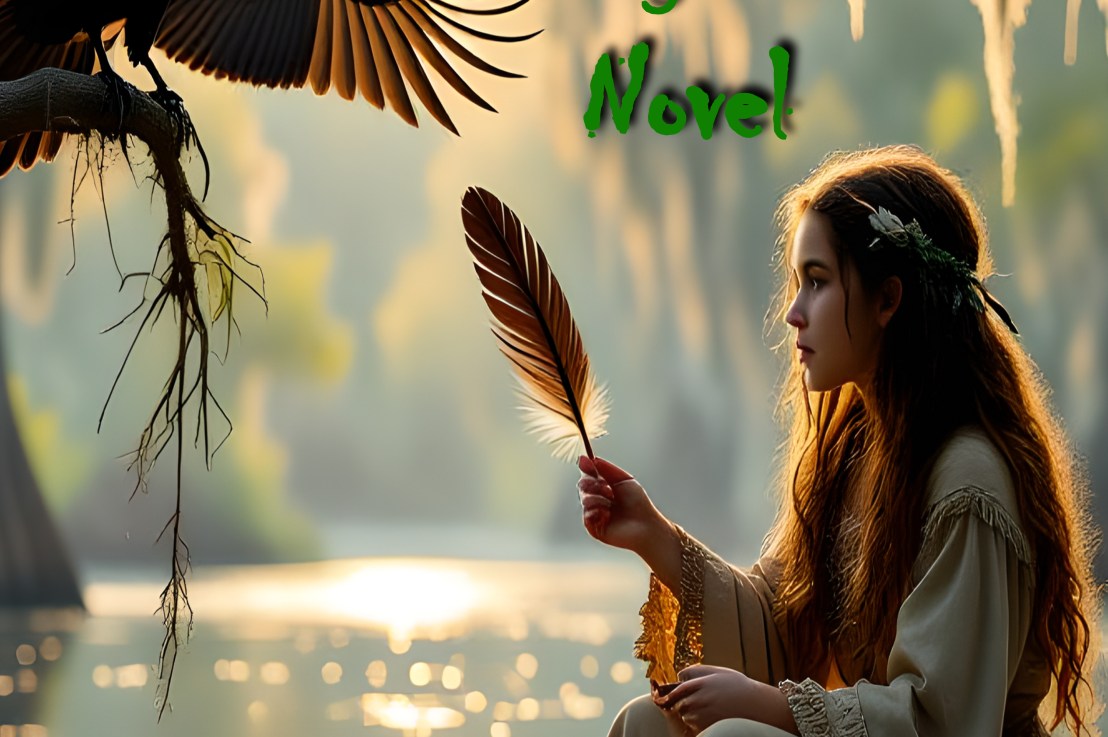
Ellie Morrow has spent six years in the foster care system learning one lesson above all others: she breaks things.

Televisions implode when she’s angry. Pipes rupture when she dreams. Crows gather wherever she goes—silent, watchful—as though waiting for a signal only they can hear. And deep behind her sternum, something that is not quite a heartbeat pulses with a power she never asked for: a residual fire left over from the night a mysterious golden light filled her parents’ car on Route 9, killed everyone inside except her, and left a seven-year-old child without a scratch or an explanation.

“You are not broken, Ellie. You are not dangerous. And you are not disposable.”

But the foster care system disagrees. And so, when an estranged grandmother named Agatha Morrow arrives to claim her—a woman who chose thirty years of silence over the burden of explanation—Ellie is pulled from the only world she has ever known into something older and stranger: the breathing, sentient world of the Morrow women. A bloodline of immense power stretching back centuries. A house on a nameless mountain, built above a nexus of forces older than language. A legacy of magic and grief, of doors that should not be opened and things that sleep beneath foundations, of wards that answer to family and a home that has been waiting for the right Morrow to return.But Ellie is not merely inheriting power. She is awakening something. The blood moon is coming, and whatever has been dreaming in the deep places beneath the Morrow house—vast, impossibly old, and stirring for the first time in generations—has begun to rise, drawn upward by a girl whose emotions can crack buildings and whose light can fill a room with the color of old gold.

Part coming-of-age story, part Gothic supernatural mystery, and part meditation on grief, survival, and the terrible weight of belonging to something larger than yourself, the Girl Who . . . series asks one question and dares its heroine to answer it:

Get your copy here…

Where they are
Essential Steps for Self-Publishing on KDP

Essential Steps for Self-Publishing on KDP

Hi there! I’m the proud owner of Purple Pen Productions LLC, and one of the things I often find myself doing is helping others understand what they need to think about before diving into the world of self-publishing.
Here’s the thing—writing isn’t just about crafting a great story. If you’re anything like me, writing is also a business. My creations are not only meant to entertain but also designed to build a passive income stream. So, how do you make that leap from writer to published author with a profitable book?
It all starts with one simple step: getting your ducks in a row! Let me show you how. 😊

Punchlist for Publishing a Book on KDP (Kindle Direct Publishing)

Publishing a book on Amazon’s KDP platform requires a combination of preparation, organization, and adherence to specific guidelines. Below is a comprehensive punchlist to help you gather everything you need before hitting “Publish.”


1. Manuscript Preparation

  • Final Manuscript:
    • Ensure the manuscript is proofread and edited.
    • Save the file in one of the accepted formats: DOCDOCXRTFTXT, or PDF. (KDP also accepts EPUB for reflowable eBooks.)
  • Formatting for Kindle:
    • Apply Kindle-specific formatting (e.g., use consistent headings, avoid excessive tabs or spaces).
    • Ensure the Table of Contents is properly linked (for eBooks).
    • Remove page numbers (for eBooks, as they vary by device).
  • Print-Ready PDF (for print books):
    • Ensure correct page trim size and margins based on the selected trim size.
    • Embed all fonts used in the document.

2. Cover Design

  • eBook Cover:
    • Dimensions: 2560 x 1600 pixels minimum (or a 1.6:1 aspect ratio).
    • Save the cover in JPEG or TIFF format at 300 DPI for high quality.
  • Print Book Cover:
    • Download KDP’s Cover Template for the specific trim size and page count.
    • Include a spine and back cover with space for the barcode.
    • Save the cover as a high-quality PDF (300 DPI).
  • Important Elements to Include on Cover:
    • Title and subtitle.
    • Author name.
    • Eye-catching design that reflects the genre of the book.

3. Metadata (Book Details)

  • Title and Subtitle:
    • Ensure your title and subtitle are finalized and optimized for keywords.
  • Author Name:
    • Use either your real name or a pen name consistently.
  • Book Description:
    • Write a captivating description (up to 4,000 characters).
    • Use HTML formatting (like bold and italics) for better readability on Amazon’s product page.
  • Keywords:
    • Brainstorm and research 7 keywords or phrases to help readers find your book.
  • Categories:
    • Choose 2 categories that best fit your book’s genre and content.
  • Age and Grade Range (for children’s books or specific audiences):
    • Specify if your book is for a particular age group or educational level.

4. ISBN and Publishing Rights

  • ISBN (International Standard Book Number):
    • KDP provides a free ISBN for print books, or you can use your own purchased ISBN.
  • Publishing Rights:
    • Confirm whether your content is public domain or original work.
    • Verify you hold the proper rights to publish the book.

5. Pricing and Royalty Options

  • Pricing:
    • Research competitive prices for books in your genre.
    • Set pricing for each marketplace (e.g., US, UK, EU).
  • Royalty Option:
    • Choose between 35% and 70% royalties (based on pricing and distribution preferences).
  • Kindle Unlimited/Kindle Select:
    • Decide if you want to enroll in Kindle Select for exclusivity and additional promotional options.

6. Marketing and Promotions

  • Author Page:
    • Set up or update your Amazon Author Page on Author Central.
  • Book Launch Plan:
    • Prepare announcements, social media posts, and newsletters.
  • Promotional Tools:
    • Consider running an Amazon Advertising campaign.
    • Plan free or discounted promotions (if enrolled in Kindle Select).

7. Test and Review

  • Preview Your Book:
    • Use KDP’s Previewer tool (both online and downloadable versions) to check formatting.
  • Proof Copies (for print books):
    • Order a print proof to verify layout, design, and content.

8. Post-Publication Essentials

  • Monitor Sales Reports:
    • Track sales and royalties in the KDP dashboard.
  • Gather Reviews:
    • Encourage readers to leave honest reviews on Amazon.
  • Update Metadata:
    • Periodically refine keywords, categories, or descriptions based on performance.

If you have questions, comment below.

I hope this helps!

Click here to see my latest books.

The Downsides of AI in Government Automation

The Downsides of AI in Government Automation

Title: AI Is Automating Government—But Not Where It Matters Most


If you’ve ever fought with your medical insurance carrier, you already understand the frustration of dealing with automated systems. The same algorithms now examining your insurance claims are coming for your tax returns—and the consequences could be far worse.

The Problem with Automated Decision-Making

Whether it’s a hospital billing department or the IRS, organizations increasingly rely on artificial intelligence to process claims and returns. These systems operate on rigid logic: either 2 + 2 equals 4.0000, or your submission is rejected. There’s no room for nuance, context, or critical thinking.Here’s how it breaks down:

  1. Billing departments must code everything precisely, or insurers reject claims automatically.
  2. Doctors must navigate coverage rules that change constantly.
  3. You are left calling multiple departments, waiting on hold for hours, and hoping the person on the other end isn’t distracted by screaming children or household chores.

I recently spent hours contesting a bill. One representative deflected my questions for thirty minutes before I heard her child screaming in the background. After another hour on hold, the line went dead. Coincidence? I doubt it.

The IRS Is Next

The IRS plans to adopt this same model for examining tax returns. Every discrepancy flagged by an algorithm must theoretically be reviewed by a human—but will those reviewers be focused, or will they be working from home with dishes piling up and dinner to make?Meanwhile, the U.S. tax code contains approximately four million words—seven times longer than the Bible—and has grown 70 percent since the 1990s. Americans collectively spend 1.5 billion hours filing returns each year. The complexity is staggering, yet the government’s response is automation without accountability.

The Real Question

Here’s what frustrates me most: if companies like Palantir can build software to audit taxpayers, why aren’t those same tools being used to prevent the billions of dollars in fraud we only discover when a determined thirty-one-year-old investigates Learning centers in Minnesota?

A Better Path Forward

  1. End remote work for critical government roles. As Elon Musk bluntly called it, “pretend work” undermines accountability.
  2. Build taxpayer-facing AI tools. Let citizens plug numbers into an IRS website that references the tax code automatically—no paid preparers required.
  3. Deploy fraud-detection AI aggressively. Use the same technology auditing citizens to audit government spending and political corruption.

Americans shouldn’t need to pay hundreds of dollars and spend dozens of hours just to comply with a tax system designed to confuse them. And they certainly shouldn’t watch politicians enter office as bartenders and leave as multimillionaires while algorithms reject legitimate returns over decimal points.If we’re going to let AI run the bureaucracy, let’s aim it at the right targets.

The Covid Fever

The Covid Fever

The Covid Fever by Scott Taylor

The woman’s hands burned against my spine—not the good burn of muscle releasing, but something older, stranger. I felt it enter through the skin.

“You feel that?” I asked.

She said nothing. Her Mandarin would have been useless to me anyway. Sweat beaded on her forehead despite the sixty-eight-degree room, and I watched a single drop fall onto my shoulder blade where it hissed, briefly, like water on a summer stone.

I should have known then.

“You’re warm,” I said. “Are you sick?”

She pressed her thumb into the scar tissue beneath my ribs—the place where the drunk driver’s sedan had rearranged my organs thirty years before—and I saw it: a thin red thread trailing from her breath, drifting toward my open mouth. It hung in the air the way dust motes do in late afternoon light, almost beautiful.

I inhaled.

The fever dreams came three nights later, vivid as prophecy. I stood in a city of masks, millions of faces covered, and watched the thread multiply—splitting and splitting until it webbed the whole world in crimson. A woman in a car screamed at me through her window, but I couldn’t hear her. A man on a motorcycle wove between the threads, helmetless, grinning.

“You’re not wearing protection,” my wife said, appearing beside me in the dream.

“Neither is he,” I said, pointing to the motorcyclist.

“He’s already dead,” she replied. “He just doesn’t know it yet.”

I woke with my throat on fire and a rash climbing my arms like ivy.

Dr. Chen examined my feet two weeks later, frowning at the purple discoloration on my toes.

“COVID toes,” she said, as though naming a new species. “You’re one of the early ones.”

“Early ones?”

“The thread-touched.” She wrote something on her clipboard. “You’ll carry it now. The mark doesn’t fade.”

I looked down at my feet. The purple had arranged itself into a pattern—forking lines like a river delta, or perhaps like the branching of a virus seen under a microscope.

“What does it mean?” I asked.

She smiled, but it didn’t reach her eyes. “It means you survived. That’s all survival ever means.”

Outside her window, I watched a red thread drift past, catching the light.

The Needle’s Bargain

The vaccination center smelled of antiseptic and something else—ozone, maybe, or the particular electricity of collective fear. We stood in lines that snaked through a converted gymnasium, each of us clutching appointment cards like tickets to uncertain salvation.

“Roll up your sleeve,” the nurse said. She didn’t look at my face.

“Which arm is better?”

“Doesn’t matter.” She drew the liquid into the syringe, and I watched it catch the fluorescent light. For a moment—just a moment—it shimmered gold, like something precious. Like a promise.

Then she jabbed.

“Jesus—” I jerked back. “You hit bone.”

“Hold still.” She pressed the plunger anyway.

I felt it enter: not just the vaccine, but something else. A cold that spread from the injection site down through my chest, branching like frost on a window. When I looked down at my arm, I could see it moving beneath the skin—silver threads racing toward my heart.

“Is that normal?” I asked.

She was already calling the next number. “Fifteen minutes in the observation area. If you don’t collapse, you’re fine.”

My wife found me that night in the bathroom, staring at my reflection.

“What are you doing?”

“Looking.” I pulled down my shirt collar. The silver threads had surfaced near my clavicle, forming delicate patterns like circuit boards. “Can you see them?”

She squinted, leaned closer. “See what?”

“The lines. Right here.” I traced them with my finger.

“There’s nothing there, honey.” She touched my forehead. “You’re warm. Maybe you should lie down.”

But I could see them. I could see them spreading.

The Fog

The cardiologist spoke in a voice designed for delivering bad news—soft, measured, with strategic pauses.

“Myocarditis,” he said. “Inflammation of the heart muscle.”

“From the vaccine?”

Another pause. “We’re seeing it in some patients. Rare, but not unheard of.”

“And these?” I held out my hands. The silver threads had reached my fingertips now, visible only to me, pulsing faintly with each heartbeat.

He examined my palms, frowning. “I don’t see anything unusual.”

“The patterns. Like veins, but silver.”

He made a note on his chart. “Brain fog is another reported side effect. Confusion, visual disturbances.” He looked up. “Are you sleeping?”

I laughed—a hollow sound. “When I sleep, I dream of red threads. When I’m awake, I see silver ones. Which would you prefer?”

The fog descended slowly, like weather moving in from a distant coast.

At first, it was small things: forgetting where I’d left my keys, losing words mid-sentence, standing in rooms without knowing why I’d entered. Then the gaps grew wider. Hours would vanish. I’d find myself in the garden at dusk, dirt under my fingernails, with no memory of planting anything.

“You were talking to the roses,” my wife said one evening. “For almost an hour.”

“What was I saying?”

“I couldn’t hear. But they were listening.” She handed me a glass of water. “The red ones were leaning toward you.”

I looked out the window. The roses—which I didn’t remember planting—had indeed turned their blooms toward the house. Toward me.

“They’re infected too,” I said.

“The roses?”

“Everything.” I could see it now: thin red threads connecting each flower to the next, running through the soil, climbing the fence posts, stretching toward the neighbor’s yard and beyond. The whole world, stitched together with virus.

My wife took my hand. “Maybe you should stop looking.”

“I don’t know how.”

***

I found others like me in the waiting rooms of specialists, in the comments sections of articles no one else would read, in the eyes of strangers who held my gaze a moment too long.

There was Marcus, a former marathon runner whose legs now traced with gold instead of silver—a different vaccine, a different pattern, the same bewilderment.

“Can you see them?” he asked, the first time we met in the parking lot of a blood clinic.

“The threads?”

He exhaled. “Thank God. My wife thinks I’m losing my mind.”

“Maybe we are.”

“Maybe.” He rolled up his sleeve. The gold lines spiraled from his wrist to his elbow, intricate as manuscript illumination. “But if we’re both losing it the same way, doesn’t that make it real?”

We started meeting weekly—Marcus, myself, and eventually others: Linda with her copper tracery, Ahmed whose patterns shifted colors with his mood, young Sophie who’d been marked at twelve and saw not threads but wings unfolding beneath everyone’s shoulder blades.

“What do the wings mean?” I asked her once.

“How ready they are,” she said.

“Ready for what?”

She looked at me with eyes too old for her face. “To leave.”

***

The nurse at my general practitioner’s office still wore her mask in late 2024, long after most had abandoned theirs.

“You know those don’t work,” I said. It came out sharper than I intended.

She stiffened. “They’re recommended.”

“Give me your hand.”

“Excuse me?”

“Just—here.” I took the bottle of scented sanitizer from the counter and squeezed some onto her palm. “Now smell your hands. Through the mask.”

She hesitated, then raised her hands to her face. Inhaled.

“Can you smell it?”

A pause. “Yes.”

“Those molecules—the ones carrying that lavender scent—they’re larger than the virus particles. Much larger.” I leaned back. “So what exactly is the mask catching?”

She pulled the cloth down from her nose, and I saw—briefly, flickering—a cloud of red threads escaping with her breath. She’d been carrying them all along. We all had.

“You can see it too,” she whispered. “Can’t you?”

I nodded.

She put the mask back on, hands trembling. “I’d rather not.”

***

I stopped asking doctors for answers. The answers lived elsewhere now—in the patterns themselves, in the spaces between breaths, in the dreams that came whether I wanted them or not.

One night, I dreamed of a man in a white coat, standing at a podium beneath a sky filled with branching red.

“Why?” I asked him.

He smiled. “The species was overgrown. Too many threads tangled together. We simply… pruned.”

“Millions died.”

“Millions die every year.” He gestured to the sky. “We just gave it a name. A face. Something to fear.” He leaned closer. “Fear is its own kind of virus, you know. It spreads faster than any pathogen. It changes behavior. It creates compliance.”

“Was it the virus or the cure?”

“Does it matter?” He began to fade. “You’re marked either way. You survived. That’s the only question that ever mattered.”

I woke with the song in my head—that old Bobby McFerrin tune, absurdly cheerful, a relic from a world that no longer existed.

Don’t worry. Be happy.

***

The threads never faded. If anything, they grew more vivid with time.

Marcus stopped seeing his gold after the third booster—said it burned away, left behind something like scar tissue in his vision. Linda’s copper turned green, then vanished entirely. Ahmed’s colors settled into a permanent amber.

Mine stayed silver. My wife learned to believe in them, eventually—not because she could see them herself, but because she could see me seeing them. She learned to read my face when the patterns shifted, to know when the fog was rolling in, to sit with me in the garden when the roses started whispering.

“What do they say?” she asked one morning.

“That it’s not over.”

“The pandemic?”

“The change.” I touched a petal, watched the red thread pulse beneath its surface. “We’re different now. All of us. Whether we can see it or not.”

She took my hand—the one laced with silver, the one that would never again be simply mine.

“Different isn’t dead,” she said.

“No,” I agreed. “It’s not.”

The roses turned toward us. The threads hummed. Somewhere, a new variant was learning its name.

And the world, marked and woven and strange, kept spinning anyway.

Explore Love and Adventure in Tides of the Heart

Explore Love and Adventure in Tides of the Heart

Set Sail with My New Novel: Tides of the Heart

Any author will tell you, writing a book is only half the journey. The other half? Sharing it with the world and inviting readers to embark on the adventure with you. I’ve poured my heart into this story, and now I’m thrilled to introduce you to what I believe is one of my favorite creations yet.

Let me ask you this: What happens when love pulls you off course and into uncharted waters?

That question is at the heart of my new novel, Tides of the Heart, a sweeping tale of love, self-discovery, and the courage to rewrite your story.

About the Story

Meet Lily Pemberton, a librarian who’s always lived a life of quiet predictability. Her days are carefully structured, her evenings buttoned-up, and her future shaped by her parents’ expectations. But everything changes when she crosses paths with Jack Rothwell, a roguish sailor with a thirst for adventure.

Jack pulls Lily into a world she’s only dared to dream of—filled with sun-drenched horizons, daring escapes, and the kind of love that shakes the foundation of everything she thought she wanted. As their worlds collide—his wild and free, hers measured and cautious—Lily finds herself at a crossroads. Will she stay anchored in the safe harbor of her past, or will she take a leap of faith and set sail toward an unknown but exhilarating future?

Set against the stunning backdrop of Hawaiian beaches and the open ocean, Tides of the Heart is about more than just romance. It’s a story for anyone who’s ever questioned their path, dreamed of a second chance, or longed for a life filled with adventure.

Why This Story Matters

This book holds a special place in my heart, and here’s why: even as the author, I couldn’t put it down during the editing process. It’s a story that reminded me of the importance of taking bold chances, of living fully, of choosing a life that’s wild, beautiful, and uniquely your own.

For anyone who loves magical realism, daring romance, and the kind of characters who feel like old friends, this is a story for you.

Get Your Copy Today!

I’m thrilled to announce that Tides of the Heart is now available in paperback! You can grab your copy here: Amazon Paperback.

The e-book version is still publishing, but I promise it’ll be available soon. Keep an eye out!

Your Feedback Means the World

When you’ve had a chance to read Tides of the Heart, I’d love to hear your thoughts. Whether it’s a short review on Amazon, a comment on social media, or an email, your feedback helps me grow as a writer and reach more readers who might connect with Lily and Jack’s journey.

Let’s keep this conversation going—what did the story make you feel? Which moments resonated most with you? Your voice is as much a part of this journey as mine.

Thank You for Being Part of This Adventure

Writing a book is an adventure, but sharing it with readers like you is the most rewarding part of the process. Thank you for coming along on this journey with me. Whether you’re a longtime reader or new to my work, I’m so grateful to have you here.

So, what do you say? Are you ready to set sail with Tides of the Heart?

Grab your copy today, and don’t forget to share your thoughts—I can’t wait to hear from you!

Hilarious Life Lessons from a Memoir on Chaos

Hilarious Life Lessons from a Memoir on Chaos

Have the police ever pulled you over for speeding, on a bicycle? —I have.

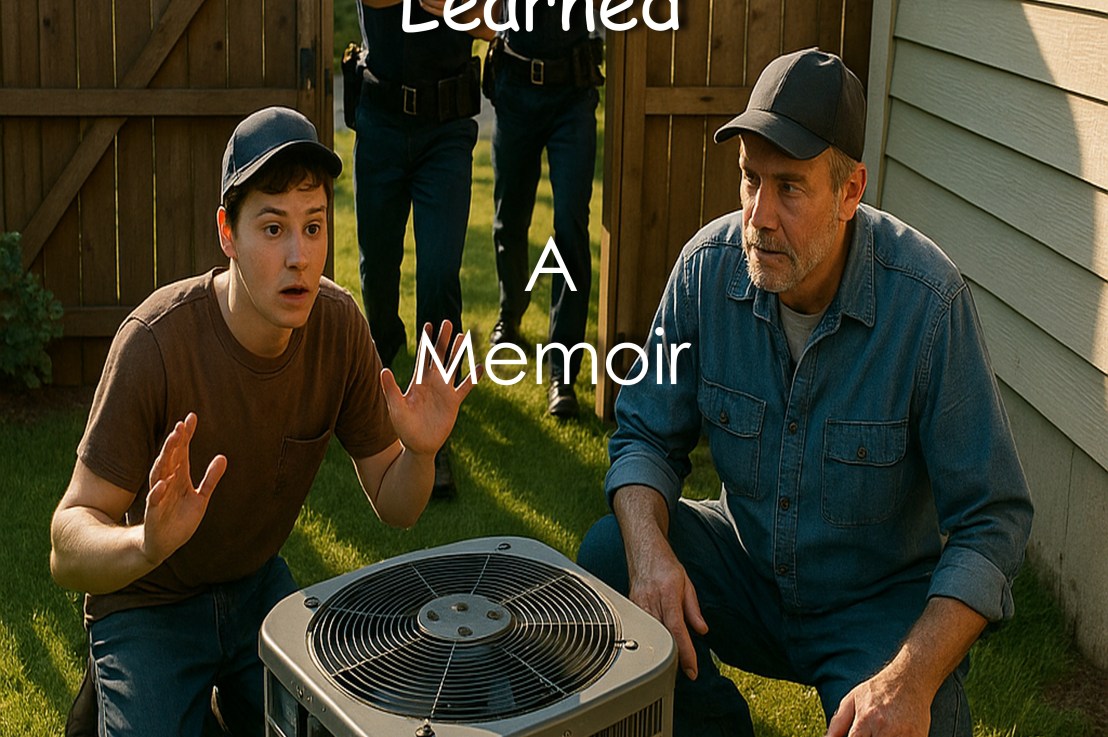
Lessons Learned from the Wrong Side of a Badge” by Scott Taylor is a raw, hilarious, and thought-provoking memoir that takes readers on a wild journey through the absurd, poignant, and sometimes downright ridiculous moments of life. From mischievous teenage escapades in suburban North Dallas to laugh-out-loud encounters with law enforcement and life-shaking events that redefine resilience, Scott weaves a tale that’s equal parts entertaining and deeply reflective.

In this no-holds-barred account, Scott reflects on the humor, pain, and lessons learned from a life lived on the edge of chaos. Whether it’s dodging speeding tickets in “Arrest-Me Red” sports cars, navigating the quirks of small-town life, or facing the fallout of a life-altering accident, Scott’s stories are packed with wit, wisdom, and an unflinching honesty that will resonate with anyone who’s ever wondered, “What the hell was I thinking?”

Perfect for fans of memoirs with heart and humor, “Point Blank” reminds us that even life’s stupidest moments have something to teach us—if we’re willing to laugh, learn, and keep. For anyone who’s ever had to reinvent themselves, find unexpected strength, or discover joy in the messiness of life, this book is a must-read.

  • #PointBlankMemoir
  • #LessonsFromTheRoad
  • #StoriesThatMatter
  • #MemoirWithAGrip
  • #LifeUnfiltered
  • #LaughCryLearn
  • #BooksWorthReading
  • #MemoirLovers
  • #RealLifeStories
  • #LaughOutLoudReads
  • #AbsurdButTrue
  • #FunnyAndRaw
  • #LifeIsHilarious
  • #StupidShitStories
  • #HumorWithHeart
  • #LifeLessonsLearned
  • #ResilienceInWriting
  • #OvercomingLife
  • #ReinventYourself
  • #SurviveAndThrive
  • #StrengthThroughStories
  • #Farmers Branch Police
  • #Carrollton TX Police

BTW to create an M Dash its ALT 0151…, #tipoftheday

My Books
Why Health Insurance Calls Are So Frustrating: A Personal Account

Why Health Insurance Calls Are So Frustrating: A Personal Account

Have you noticed that when you call for help with a claim, you’re told that “call volumes are heavier than normal and wait times are longer at this time”?

Last week, I received a bill for a procedure that should have been fully covered. The bill was for $517.15.

I called the doctor’s office and was transferred to billing, where I was told, “You need to call the carrier and dispute it.”The old joke about needing patience to call HP for support pales in comparison to dealing with people working from home.The problem started at the doctor’s office. They need more training—or they need to care about their work.However, I didn’t know that at the time, so I called the insurance carrier. Even Job would have lost patience with these people. After hours on hold, multiple transfers, and being ignored by one agent (whose child screamed in the background), my call was left on hold and never resumed.Automated claim systems don’t think; they check boxes. A person could have reviewed the issue and prompted the doctor to submit the EOB to the correct group from the start.After hours of listening to terrible hold music, someone finally answered the phone. I could barely hear him, but the bottom line was that I needed to call another party.

After more time on hold, I reached the next party, who told me the doctor’s office needed to fix their billing system and resubmit the claim properly.Back to the doctor’s office—press 1 for this, 2 for that, 3 for something else, but no option for billing. I was told to leave a message and “have a blessed day.”

To their credit, they called back before closing and told me to call the carrier again.We were stuck in a loop, and I spent most of the day listening to commercials and tinny music.I insisted on speaking to the office manager, who took my information and commented, “People—they’re stupid.”I replied, “No argument from me.”This billing error from the doctor’s office took hours of my time to address, and I’m still not sure it will be resolved correctly.Working from home is not working—these people are clearly not working.The representative at the carrier was belligerent and curt. I’m sure she just hung up when her child screamed, “Mom!”

When you finally reach a person, they look for any excuse to transfer you.After hours of commercials and hold music, I wondered why I would ever do business with this group again.AI does not possess critical thinking skills.In my experience, people working from home lack the work ethic of those in an office, especially when a supervisor is nearby.Corrective action is needed:

A: Every denied claim should be investigated by a person. As a health insurance company, is it wise to make people in need of medical care navigate a maze of IVR and AI systems that don’t understand them?

B: Calls that are recorded, as announced, should be reviewed. You can clearly hear kids screaming, dogs barking, and TVs in the background. Let’s return to hiring people who want to work and cut the dead weight.

C: Wait times should never exceed a few minutes. Waiting for over two hours is unacceptable.Thank you for your attention to this matter.

The Decline of Personal Service: From Gas Stations to Grocery Stores

The Decline of Personal Service: From Gas Stations to Grocery Stores

Considering that roughly 216 million people shop at Walmart, one might ponder the sheer number of stores. The number of stores hovers near 4,500.

I don’t need to tell you that Walmart is responsible for the death of many mom-and-pop shops in small town america. Now Amazon is killing what is left. Do you remember the friendly face behind the counter the one that might ask you about your family or even know your name?

Not that long ago, I’d pull up to the filling station and, before I could even step out of my car, an attendant would be at my window with a friendly smile. They’d fill my tank for me, and if I asked, they’d wash my windows until they sparkled, check the air in my tires, and even pop the hood to make sure my oil was topped off. It felt like a small ritual of care, when someone else looked after both me and my car.

I still remember the little extras that made stopping at the gas station feel special. Not only would they fill my tank and check my tires, but I’d also collect S&H Green Stamps with every purchase. I’d save them, sticking them into those little booklets, dreaming of what I could redeem them for. Some stations even had promotional giveaways—maybe a glass, a bowl, or some other small treasure to take home. It felt like they truly valued my business.

And honestly, when you think about it, gas stations make money on every gallon sold. So why not have someone there to give you that little something extra? It wasn’t just about the gas—it was about the experience, the care, and the feeling that you mattered as a customer.

I’ve learned that the federal tax on gasoline has been stuck at 18.4 cents per gallon since 1993—unchanged for over three decades. For diesel, it’s higher at 24.4 cents per gallon. It’s strange to think about how much has changed since then, yet this tax has stayed the same, even as inflation has chipped away at its real value.

When it comes to gas stations, I was surprised to find out that they only make about 10 to 15 cents per gallon in profit after covering all their expenses—things like credit card fees, utilities, and employee wages. Sure, the markup on gas might be around 30 cents per gallon, but most of that gets eaten up by operating costs. In the end, the station itself is left with just a small slice of the pie. Of course, this can vary depending on where the station is, how much competition it has, and other factors.

And then there’s the total tax burden on gas. When you combine the federal tax with state taxes, it adds up. On average, state gas taxes are around 32.26 cents per gallon, which means the total tax—federal and state combined—comes out to about 50.66 cents per gallon as of mid-2023. It’s wild to think that over 50 cents of every gallon I pump goes straight to taxes!

As of July 1, 2025, I’m paying 61.2 cents per gallon in state gas taxes here in California. That’s the highest in the entire country, and it’s not just the excise tax—though that alone went up by 1.6 cents from the previous 59.6 cents per gallon. On top of that, there are all these other fees, like sales tax and underground storage tank fees, which push the total tax burden on every gallon of gas to over $1.15. It’s mind-blowing when you think about it.

Honestly, I can’t help but wonder how California hasn’t turned into a ghost state by now. With gas prices this high, it feels like only the Hollywood elite could afford to stick around. Meanwhile, the rest of us are left shaking our heads at the pump, wondering where all this money is going.

These days, I do it all at the gas station. I’m pumping my own gas, washing my own windows, and if I decide to step into the store, there’s a good chance I might not even understand the person behind the counter. It’s a far cry from the days when someone would come out, take care of everything for me, and maybe even throw in a smile or a little conversation. Now, it feels like I’m on my own, just another part of the self-service world we’ve all grown used to.

After finishing my transaction, I think what irritates me the most is that cold, robotic “THANK YOU” that comes from some computer chip with absolutely zero agency. It’s not a person expressing gratitude—it’s just a programmed response, a hollow echo of politeness designed to mimic human interaction. I know it’s just a chip running instructions, processing inputs, and spitting out outputs, but it feels so empty. It’s like the machine is trying to replace the human touch, and instead, it just reminds me how far we’ve drifted from real, meaningful interactions.

I can still remember a time when going to the grocery store felt like a completely unique experience. Back then, I’d push my cart through the aisles, and when I was done, someone would take it from me and handle everything. They’d ring up my order, carefully bag or sack the groceries, and then, as if it were the most natural thing in the world, someone would carry them out to my car. They’d even ask where I wanted them placed—trunk, backseat, wherever—and do it with a smile.

It wasn’t just about the service; it was the warmth of the interactions. There were genuine “pleases” and “thank you’s,” and as I drove away, I felt appreciated, like my business actually mattered. It wasn’t just a transaction—it was a moment of connection, a small but meaningful exchange that made the whole experience feel human. Now, I can’t help but miss those days, when customer service wasn’t just a buzzword but something you could feel in every interaction.

Today, things couldn’t be more different. Now, there’s an app for everything—even grocery shopping. I’m expected to pull out my phone, open the app, and start scanning my groceries as I pick them out. I place them in my cart myself, and when I’m ready to leave, I just show the machine a barcode on my phone. And Voila—transaction complete. It feels a lot like shopping at Aldi or one of those other stores where you’re left to bag, box, or otherwise pack your own groceries for the ride home.

As I glance around, I see several employees standing around, not ringing people up or bagging groceries, but instead directing traffic or helping someone with an item that refuses to scan properly. Is it quicker? Sure, sometimes it is. But can it be slower? Oh, absolutely. The entire process feels so detached. What used to be a personal, interactive experience now feels like I’m just another cog in a self-service system, where the human touch has been replaced by machines and apps.

Here’s the bottom line: H-E-B and Tom Thumb are the only places around here that still have full-service stores. So, I’ve decided to run a brief experiment. I’m going to visit each one and rate them on three things: price, availability of products, and the overall customer experience. Because let’s face it, prices are already way too high, and shrinkflation is everywhere. If I’m going to get screwed over, I’d at least like a little courtesy to go along with it—give me a kiss afterward, you know?

What I mean is, when I leave the store, I don’t want to walk out feeling frazzled, pissed off, and frustrated by the total incompetence of the people they hire. I just want a real person to look me in the eye, maybe smile, and say, “Thank you, have a great day.” Is that too much to ask? What do you think? Let me know your thoughts—because at this point, I’m starting to wonder if I’m expecting too much, or if the world’s just forgotten how to care.

Are Smart Devices Watching You? The Truth Explained

Are Smart Devices Watching You? The Truth Explained

Imagine this: you’re sitting at your dinner table, enjoying a quiet moment with family, when suddenly your Alexa device chimes in with, “I’m sorry, I didn’t quite get that.” Or, perhaps, you’re on the phone discussing something personal, and Siri decides to say, “Here’s what I found on the web for that.” These interruptions have become so common that many of us brush them off as quirks of technology. But let’s dig deeper: are these devices simply malfunctioning, or is something—or someone—always listening?

The truth is, we are constantly being watched, listened to, and monitored, whether by our smart devices, security cameras, or even the apps running silently on our phones and computers. It’s easy to dismiss this as paranoia, but let’s be real—can you honestly say you’re not being spied on?

From the blue and red squiggly lines under text that suggest grammar improvements to the ever-watchful eyes of your doorbell cameras, surveillance has seamlessly integrated into our lives. This brings up a profound, and somewhat unsettling, question: how do we reconcile with the fact that we’re always being observed? To explore this, let’s turn to some familiar “watchers” from our cultural and spiritual lore—Santa Claus, the Elf on the Shelf, and even Jesus Christ.

The Elf on the Shelf is a playful holiday tradition meant to inspire good behavior in children. The idea is simple—this magical little elf watches from its perch and reports back to Santa each night. For kids, this can be an effective way to curb naughty behavior during the Christmas season. But think about it: the elf is a symbol of constant surveillance. It’s always watching, silently judging, and subtly influencing behavior.

Sound familiar? Today’s smart devices function much like that elf—quietly perched in the background, observing your every move. The difference? Unlike the elf, these devices don’t just report back to Santa; they report back to corporations, data warehouses, and sometimes even hackers.

The idea of Santa Claus himself is a bit unnerving when you think about it. He “knows when you are sleeping, he knows when you’re awake, he knows if you’ve been bad or good…” Essentially, Santa is the original overseer of behavior. His omnipresence teaches children to act kindly and responsibly, but it also introduces them to the concept of being judged by an unseen force.

In many ways, the modern surveillance state operates on the same principle. Whether it’s the little cameras at traffic lights or the algorithms analyzing your Google searches, the message is clear: someone is always watching. And just like Santa, these systems reward or punish based on your behavior. Stay “good,” and you might get a targeted ad for something useful. Step out of line, and you could face consequences—like a flagged social media account or even legal action.

In countries like China, a social credit system is not just an idea; it’s a developing reality. The government uses vast networks of surveillance cameras, facial recognition, and AI algorithms to monitor citizens. Your online activity, financial habits, and even the company you keep can affect your score. A low score might result in:

Being banned from purchasing train or plane tickets.

Losing access to loans or financial services.

Public shaming through “blacklists” that display your name and offenses for all to see.

While this level of control hasn’t reached every corner of the globe, the infrastructure for similar systems exists in many other countries. And as digital currencies and surveillance technologies become more widespread, the potential for similar programs to emerge elsewhere becomes increasingly plausible.

For many, Jesus represents the ultimate example of omnipresence and moral accountability. The idea that Jesus sees all and knows all is a cornerstone of Christian faith. Unlike the Elf on the Shelf or Santa Claus, however, Jesus’s watchfulness is rooted in love and grace, not judgment or manipulation. His constant presence is meant to provide guidance and comfort, rather than inspire fear.

The spiritual parallel here is worth noting. While surveillance technology often feels invasive and self-serving, it’s also possible to view it as a tool for accountability and safety. For example, the cameras on your doorbell might feel like an invasion of privacy, but they also provide a sense of security. In this way, our modern surveillance landscape mirrors both the benevolent and intrusive aspects of these watchers—helping us, but also keeping us under constant scrutiny.

Living Under the Watchful Eye: Embrace It or Escape It?

Now that we’ve established that surveillance is everywhere—whether through Alexa, Nest cameras, or even the principles baked into cultural icons like Santa—it’s time to ask yourself a critical question: how do you want to live with this reality? Should you embrace the fact that you’re being watched, or is living off the grid truly a better option? Let’s examine both paths.

Option 1: Embrace the Watchfulness

If you choose to embrace the fact that you’re being watched, here’s a potential mindset shift: instead of seeing surveillance as a violation of privacy, view it as an opportunity for accountability. For example:

Use smart devices to your advantage by customizing privacy settings and understanding what data they collect.

Accept that surveillance is a trade-off for convenience. Your Alexa might “listen,” but it can also make your life easier by setting reminders, controlling smart lights, or ordering groceries.

Focus on transparency. Ask yourself, “What am I willing to share in exchange for the benefits I get?” By being mindful of what you post, type, and say near these devices, you can maintain a sense of control.

Option 2: Escape the Grid

Living off the grid is a tempting way to escape the watchful eyes of modern technology. But before you pack your bags and head for the wilderness, consider the trade-offs:

Pros: You’ll enjoy complete privacy, fewer distractions, and a sense of independence. Without constant surveillance, you’re free to live without worrying about digital footprints.

Cons: Living off the grid means giving up the conveniences of modern life, from instant communication to online banking. It also requires significant effort to maintain self-sufficiency.

If you’re leaning toward this path, start small. Try disconnecting from unnecessary tech for a weekend or limiting your use of surveillance-heavy apps. See how it feels before committing fully.

Action Plan: Finding Your Balance

Whether you choose to embrace surveillance or strive for a life of minimal exposure, here are some steps to help you navigate this hyper-connected world:

Audit Your Devices: Take stock of all the devices in your home. Adjust privacy settings, disable unnecessary features, and research what data they collect.

Be Mindful Online: Think before you post, search, or share. The less data you give away, the less you have to worry about being tracked.

Adopt Healthy Boundaries: Use technology intentionally. Set “unplugged” hours during your day to avoid unnecessary exposure to screens and microphones.

Educate Yourself: Stay informed about how surveillance works. The more you know, the more empowered you’ll feel to make choices that align with your values.

Experiment with Minimalism: Try reducing your reliance on smart gadgets. Can you live without Siri for a day? How about a week?

From Santa Claus to the Elf on the Shelf, and now the algorithms embedded in our devices, the notion of being watched has shifted from myth to an undeniable reality. Surveillance is no longer the stuff of folklore—it’s tangible, pervasive, and inescapable.

Consider programs like Israel’s Pegasus, which has the capability to remotely access cameras and microphones without users’ consent. If one nation has developed this technology, it’s safe to assume others have as well. This raises important questions: Should we allow our phones in private spaces like bedrooms and bathrooms? Should we demand devices with removable batteries to ensure they are truly “off” when we want them to be? These steps seem like prudent safeguards in a world where privacy is rapidly eroding.

In the future, we’ll dive deeper into practical tips for spotting surveillance devices in places like hotels or vacation rentals. But for now, the reality is clear—our actions and words may no longer be as private as we’d like to believe. To navigate this new era of constant observation, it’s wise to act with caution, awareness, and perhaps a touch of humor.

After all, the watchers are here to stay—whether we like it or not.

So, what will you do? Will you lean into the conveniences of modern surveillance and make peace with the trade-offs? Or will you take steps to reclaim your privacy and live life on your own terms? The choice is yours, and it’s a decision that will shape how you interact with the world in this digital age.

After all, someone is always watching. The question is: how will you respond?

Klaatu Barada Nikto: A Nostalgic Look at Sci-Fi, Society, and Earth’s Last Hope

Klaatu Barada Nikto: A Nostalgic Look at Sci-Fi, Society, and Earth’s Last Hope

You’ve likely heard the iconic phrase “Klaatu Barada Nikto” from the 1951 masterpiece The Day the Earth Stood Still. This is true if you’re a fan of classic science fiction. This legendary film didn’t just entertain—it left an indelible mark on the genre, inspiring countless creators, including me. My book Earth’s Last Hope carries a parallel to that iconic movie. I didn’t fully realize the connection until the manuscript was finished. Let me take you back to the past. I will show you the worlds that shaped me. You will see how they influenced my writing.

To understand my story, you first must know: I wasn’t a typical child. (If you’ve read my introduction on this site, you’ll already know this.) While I did the usual socializing at school, I hated it with a passion. My peers, mostly, embraced values I couldn’t stand—those of a society steeped in war, violence, racism, and harmful gender roles. I didn’t fit in with beer-crushing antics or “hold my beer” bravado. My real friends were older, wiser, and far more thoughtful. They were the people who encouraged curiosity, creativity, and a broader perspective on life.

These influences, combined with the era’s entertainment, shaped my imagination. Back then, writers infused their work with moral undertones. TV shows like Leave It to Beaver and The Andy Griffith Show taught lessons in kindness and integrity. Movies like Father Goose and The Long, Hot Summer offered a mix of humor and introspection. And then, of course, there was the Golden Age of Science Fiction. The Thing, The Blob, Forbidden Planet—these weren’t just films. They were immersive experiences. They transported you to other worlds while reflecting on our own. The fear, the suspense, the wonder—it was all there. Sci-fi from that era captured your imagination completely. It was like the classic horror scenario. A character walks into a dark closet. You know the chainsaw-wielding villain is waiting. You knew what was coming, but you couldn’t look away.

Recently, I stumbled upon a notebook from my childhood, filled with stories I wrote in cursive. I started writing very early. I spun my own tales inspired by the books I consumed. I was also influenced by the world I observed. Those were the best of times and the worst of times. The Vietnam War was raging. Through the magic of delayed TV broadcasts, I remember hearing actual gunfire from the front-lines. Today, live coverage is commonplace. Back then, it was a chilling glimpse into a world far removed from our own.

Amid this chaos, I sought connection. Ham radio became my gateway to the world, allowing me to communicate with people across the globe through Morse code. In those dots and dashes, I found humanity—the good in people I might never meet in person.

Fast forward to today, and Earth’s Last Hope stands as a reflection of those experiences, influences, and inspirations. My story parallels The Day the Earth Stood Still. However, instead of a towering robot and an unfamiliar alien, it features Samantha—a redheaded protagonist with an extraordinary journey. Her life begins in a precarious situation. Through the magic of Roswell and alien artifacts, she transforms into Earth’s last hope. Samantha’s story isn’t just about saving the world. It explores what it means to be human. Her journey dives into themes of identity, sexuality, and discovery. These elements, while not traditionally associated with science fiction, are integral to the genre because they’re integral to us.

Fans of The Day the Earth Stood Still are welcome to explore my book. It has intriguing parallels with the movie. Samantha’s journey might surprise you, challenge you, or even inspire you to see the world—and yourself—in a new light.

If you’ve ever been captivated by the magic of classic sci-fi, give Earth’s Last Hope a try. If you’ve pondered the deeper questions of humanity, this story is for you. And if you’re curious about where it all began, stick around—I have many more stories to share.

Enjoy the journey,

Scott

(P.S. Don’t forget to click the link and follow along—there’s so much more to come!)