Welcome, fellow storytellers!
Whether you meticulously map out every twist or prefer to wing it “by the seat of your pants,” you can still craft a knockout novel that follows a time‑tested beat‑by‑beat story framework.
In this post we’ll explore the age‑old debate of plotters vs. pantsters, show how pantsters can harness the power of structure without feeling shackled, and break down the essential elements of ACTS, Scenes, and Beats so you can blend spontaneity with proven storytelling formulas.
Plotters vs. Pantsters: The Friendly Rivalry
| Plotters | Pantsters |
|---|---|
| Plan ahead – outline chapters, maps, character arcs before the first word. | Write on the fly – let ideas emerge organically, adjusting as the story breathes. |
| Safety net – fewer dead‑ends, easier to spot plot holes early. | Creative freedom – discover surprising twists you’d never have plotted. |
| Tools – spreadsheets, beat sheets, story‑bible documents. | Tools – sticky notes, voice memos, a trusty notebook. |
| Potential downside – can feel rigid, “over‑engineered.” | Potential downside – risk of wandering or hitting a narrative wall. |
| Bottom line: Both approaches are valid. The goal isn’t to force yourself into one camp but to borrow the strengths of each. Pantsters can adopt the scaffolding of a classic beat sheet without losing their improvisational spark. |
The Classic 15‑Beat Blueprint – A Pantster‑Friendly Overview
The 15‑beat story framework (originally popularized by screenwriting guru Blake Snyder) is a simple, step‑by‑step roadmap that fits neatly into a three‑act structure. Here’s a quick cheat‑sheet you can keep on your desk (or phone) and refer to whenever inspiration strikes:
- Opening Image – Snapshot of the world before the adventure.
- Theme Stated – A character (often not the hero) whispers the story’s central question.
- Set‑Up – Introduce the protagonist’s everyday life, supporting cast, and stakes.
- Catalyst – The inciting incident that shakes the status quo.
- Debate – The hero wrestles with the call to action.
- Break into Act 2 – Jump into the new world.
- B Story – Sub‑plot(s) that reinforce the theme.
- Fun & Games – The “promise of the premise” – the meat of the story.
- Midpoint – A false victory or false defeat that raises the stakes.
- Bad Guys Close In – Obstacles tighten.
- All Is Lost – The darkest moment.
- Dark Night of the Soul – Hero reflects, regroups.
- Break into Act 3 – The final plan forms.
- Finale – Climax + resolution.
- Final Image – Mirror of the opening, showing change.
How Pantsters Use It:
- Keep the beat list handy (a sticky note or digital note).
- When you land on a new scene, ask yourself, “Which beat does this belong to?” If you’re unsure, draft freely, then retrofit the scene to the nearest beat later.
- Treat beats as guidelines, not mandates – you can split, combine, or reorder them as long as the emotional arc stays intact.
ACTS, Scenes, and Beats: The Storytelling Engine
ACTS are the macro‑structures that give a story its beginning, middle, and end.
Scenes are the micro‑moments where characters act, react, and reveal information.
Beats are the tiny pulses of drama inside each scene (a revelation, a decision, a conflict).Think of it like a musical composition:
- Acts = movements (large sections)
- Scenes = phrases (shorter, recognizable motifs)
- Beats = notes (the building blocks of tension and release)
Unifying Plotters and Pantsters: No Real Divide
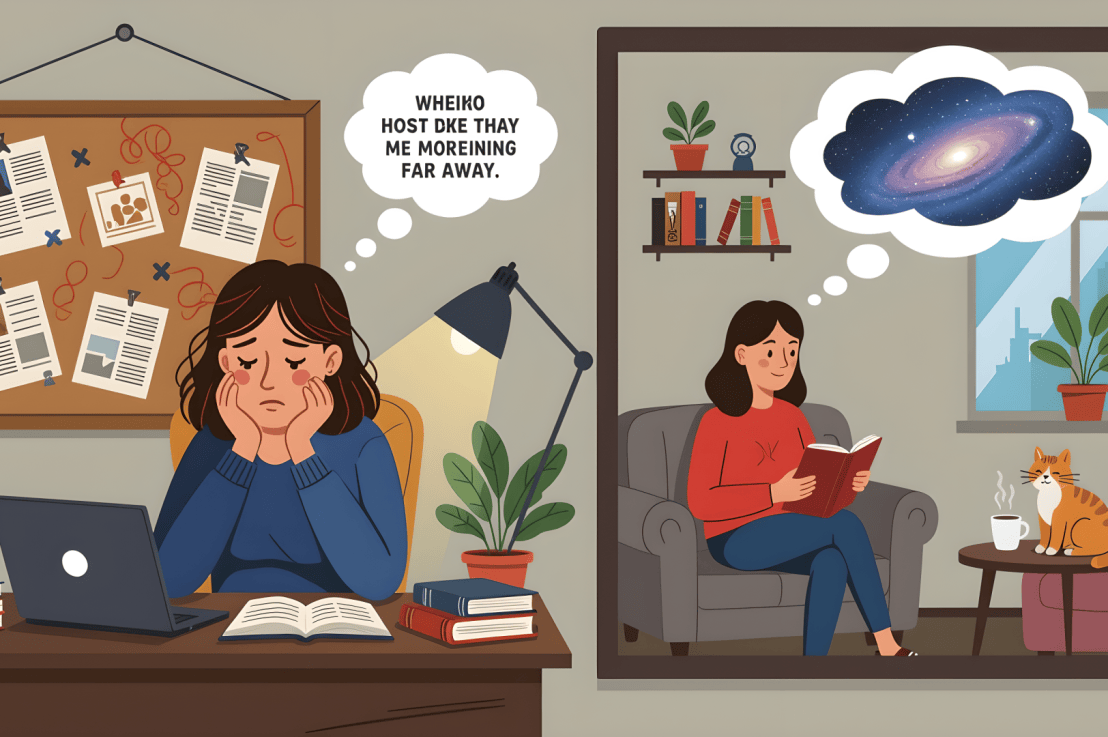
If you’ve ever stared at a cork board covered in string‑tied post‑its and felt the jittery rush of typing out a scene on the fly, you’ve already experienced the hybrid zone where the two mindsets meet. The perceived “divide” is mostly a myth—both sides are simply different tools for the same creative problem: getting a compelling story from idea to finished manuscript.Why the divide is an illusion
| Myth | Reality |
|---|---|
| Plotters need a perfectly‑ordered outline before they can write. | Many plotters start with a loose “roadmap,” then tweak it as characters surprise them. |
| Pantsters are chaotic and never revisit earlier ideas. | Pantsters often re‑read their own spontaneous drafts, discovering hidden patterns they later formalize. |
| One method is “better” than the other. | Both achieve the same goal—an engaging narrative. Success comes from matching the method to your personal workflow, not from the label. |
| A blended workflow you can try right now |
- Idea Capture (Pantster Mode) – Keep a voice‑memo app or scrap notebook handy. Whenever a spark hits, record it instantly, no matter how fragmentary.
- Quick Beat Mapping (Plotter Mode) – After a few minutes of brainstorming, glance at your 15‑beat list and ask which beat the new idea might belong to. Jot down a one‑line note like “Midpoint: protagonist discovers hidden ally.”
- Scene Dive – Write the scene in full, following your instinctual voice.
- Beat Check – When the scene is complete, slot it into the beat list. If it feels out of place, move the beat marker or adjust the scene—flexibility is key.
- Cork‑Board Review – Periodically transfer the beats and scene titles onto a visual board. This lets you see the macro picture (the plotter’s love of structure) while preserving the raw energy of the original draft (the pantster’s freedom).
By cycling between capture, mapping, writing, and reviewing, you get the best of both worlds without ever feeling boxed in.
Practical Tips for Pantsters to Harness Structure
- Start with the Core Premise
Write a one‑sentence logline. Example: “A shy accountant discovers a portal to a magical realm the moment she sneezes.”
This logline anchors your Theme Stated beat. - Sketch a Rough Beat Outline
- Grab a blank sheet.
- Jot down the 15 beats in order, but leave room for “???” where you can improvise.
- Write Scenes First, Beats Later
- As ideas flow, write a scene in full (dialogue, description, emotion).
- After a few scenes, map them to beats. If a scene feels out of place, either move it or adjust the surrounding beats.
- Use “Pantster Prompts”
Keep a list of questions that force you to hit the beats:- What does my hero fear right now? (Debate)
- What unexpected complication pops up? (Bad Guys Close In)
- How does my hero finally act? (Break into Act 3)
- Embrace “Beat Swaps”
If you discover a better midpoint while writing Act 2, swap the original midpoint with your new, stronger scene. The story stays flexible, and you retain that pantster spontaneity. - Post‑Write “Beat‑Check”
Once you finish a draft, run a quick audit:- Do all 15 beats appear?
- Do they flow logically?
- Is the emotional arc satisfying?
If a beat feels weak, replace or reinforce it, no need to rewrite the whole novel.
Example: Turning a Pantster‑Style Scene into a Classic Beat
Maya trips over a loose cable in the office, spilling coffee on her boss’s reports. In panic, she grabs a mysterious, glowing USB from the floor, which suddenly projects a holographic map of a hidden city.
Mapping it:
| Beat | Why It Fits |
|---|---|
| Catalyst | The coffee spill forces Maya into action; the glowing USB launches the adventure. |
| Fun & Games | The holographic map introduces the story’s visual wonder and sets up the “magical world.” |
| B Story | Maya’s awkward office dynamics hint at themes of confidence and self‑discovery. |
Now you have a spontaneous scene that seamlessly plugs into the structured beat sheet.
Final Thoughts
- Pantsters, rejoice! You don’t have to abandon your instinctual spark.
- Plotters, take note! Adding a pinch of improvisation can keep your story fresh.
- The 15‑beat framework provides a universal story GPS: you can take scenic detours, but you’ll still arrive at your destination—an engaging, emotionally resonant story.
Remember, there is no true divide between the post‑it‑covered cork‑board planner and the writer who spins tales “by the seat of their pants.” Both are simply different expressions of the same creative impulse.So grab your notebook, a cup of coffee (or a spilled one), and start mixing the wild energy of pantsting with the proven power of ACTS, Scenes, and Beats. Your next bestseller awaits! 🚀
Let’s Grow Together!
If this post sparked even a flicker of inspiration, do something about it!
- 👍 Like & Share – A quick click helps fellow writers discover a framework that blends the freedom of “pant‑writing” with the safety of a solid beat map.
- 📢 Post Your Own Tips – Got a favorite post‑it‑board trick? A voice‑memo habit that saves you a plot hole? Share it in the comments or on social media with the hashtag #PantsterPlotters so the community can learn from each other.
- 🤝 Help a Fellow Author – Spot a comment from a newer writer? Drop a friendly piece of advice, a resource link, or a quick “You’ve got this!” – encouragement spreads like wildfire.
- 💬 Join the Conversation – What parts of the writing process do you need assistance with?
- Plotting the overall arc?
- Crafting compelling scenes?
- Nailing those crucial beats?
- Staying motivated day‑to‑day?
Tell us below – the more specific you are, the better the community (and I) can tailor future posts, resources, and mini‑workshops just for you.
How to Keep the Momentum Going
| Action | Why it matters |
|---|---|
| Comment | Your questions become the seed for new content that serves many writers. |
| Share the post | Every share expands the circle of writers who can benefit from a hybrid approach. |
| Like the post | Likes signal to platforms that this guide is valuable, helping it reach more creators. |
| Tag a fellow author | Directly invite a friend who might be stuck on a plot hole or craving structure. |
Together we can break down the myth of the “plotter vs. pantster” and prove that great stories are built on both spontaneity and solid scaffolding.
Ready to dive in? Drop your thoughts, questions, or a quick “I’m in!” below. Let’s make the writing community stronger, one beat at a time!
In another post we will discuss how the movie industry, the gaming industry and yes, some authors captivate their sudience through magic and by magic I mean biology. Follow for more…
On another note…
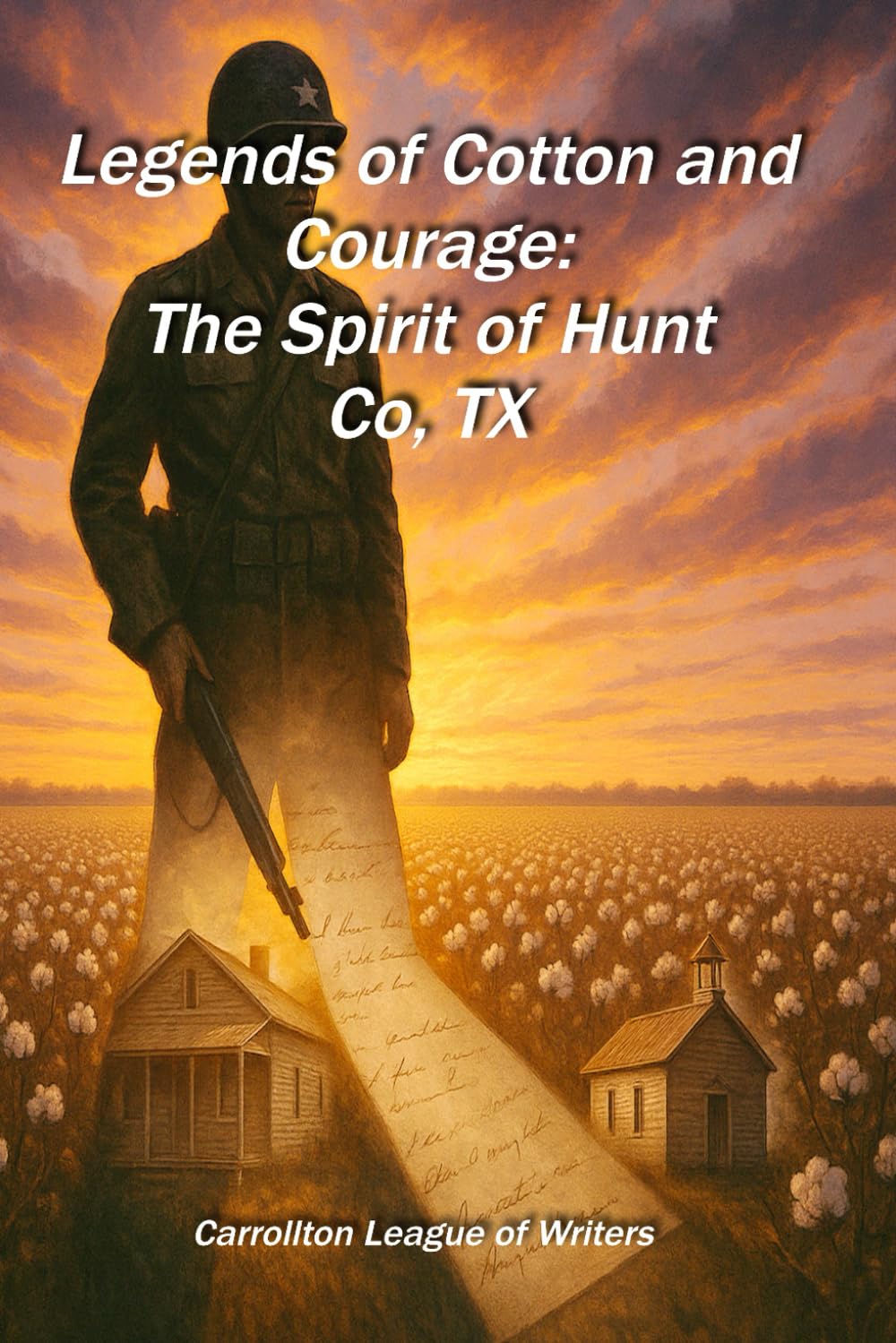
How Legends of Cotton and Courage Came to Life
After a spirited field trip to the Audie Murphy / American Cotton Museum in Greenville, Texas, members of the Carrollton League of Writers, including retired veterans, a sci‑fi aficionado who’s penning a dark psychological thriller, and a literature‑loving grandfather, returned with notebook‑filled heads buzzing with inspiration. Their mission was simple: find a single artifact or moment in the museum that could spark a story. The threads they pulled—cotton‑field perseverance, wartime bravery, ghostly whispers, and daring escapes—were woven together by you, a seasoned author and lover of history, into the anthology Legends of Cotton and Courage. The result is a vibrant collection that celebrates Hunt County’s heritage while showcasing the diverse, creative voices of a community that meets both in‑person and via Zoom, proving that great stories can grow from a shared walk
📖 Dive into Legends of Cotton and Courage
Step into a world where history, imagination, and resilience intertwine. Legends of Cotton and Courage: The Spirit of Hunt County, TX is an anthology that brings together the vivid short stories crafted by members of the Carrollton League of Writers after exploring the Audie Murphy/American Cotton Museum in Greenville, Texas
If you’re interested in World War II history and the cotton heritage of East Texas, the Audie Murphy/American Cotton Museum is a must‑see. The museum is located at 600 I‑30 East in Greenville and offers guided tours, a Hall of Heroes, and the restored Ende‑Gillard House. You can explore its exhibits and plan your visit on the official site: cottonmuseum.com
The link for the Carrollton League of Writers is https://www.carrolltonleagueofwriters.com/.
✨ What Awaits You Inside
- A Tapestry of Hunt County’s Heritage – From the bustling cotton fields that shaped the region to the heroic deeds of World War II legend Audie Murphy, each tale weaves factual roots into soaring fiction .
- Stories for Every Mood – Fall in love with a wartime romance, shiver at ghostly encounters, cheer a runaway on a daring quest for freedom, and marvel at the rise of a larger‑than‑life medicine man.
- A Tribute to Everyday Heroes – Follow a brave schoolgirl guiding her classmates through a deadly storm, and feel the pulse of courage that still echoes through Hunt County’s streets.
🌍 Join Our Writing Community
Our meetings are held in person and via Zoom, so no matter where you are; be it another state or a different continent—you can share ideas, translate time zones, and become part of our storytelling circle. An e-mail will get it started.
🎉 Support Writers & Preserve History
Purchasing the paperback not only gives you a beautiful collection of stories but also helps support the museum and the talented writers who turned its treasures into fiction.➡️ Grab your copy now:Legends of Cotton and Courage on Amazon
Ready to travel through time, feel the heartbeat of Hunt County, and meet unforgettable characters? Open the cover, and let the journey begin. 🌾📚
Discover more from TheTimeDok
Subscribe to get the latest posts sent to your email.
