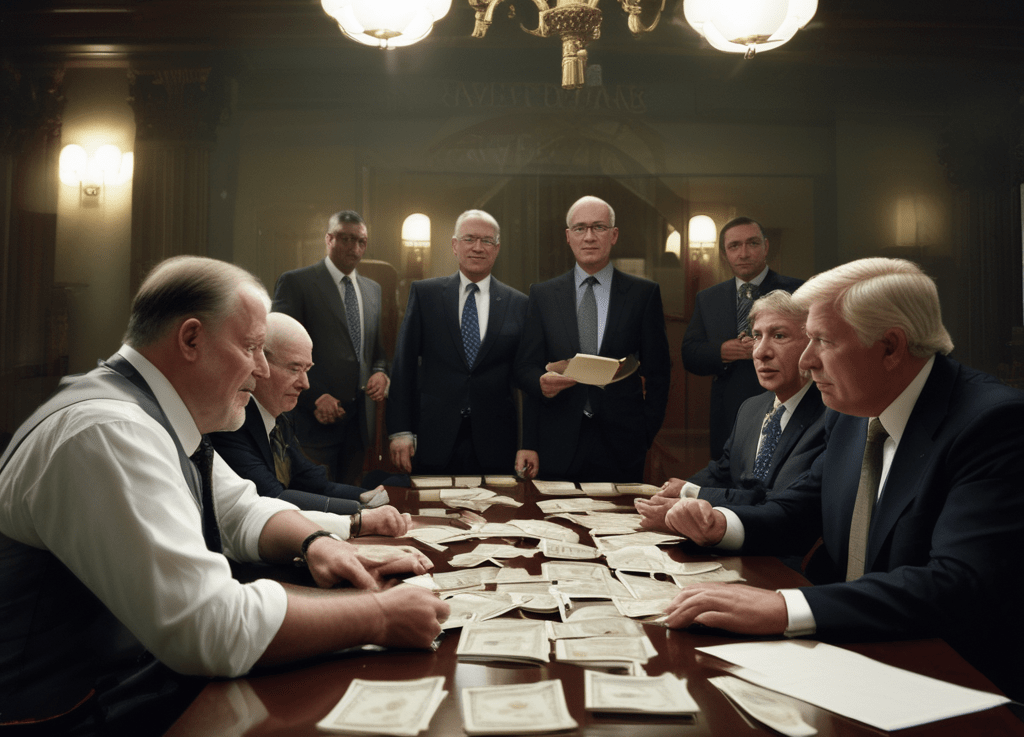
Is the News Fake?
Be sure to read the late-breaking news at the end of this column.
“Those who cannot remember the past are condemned to repeat it”
I quote George Santayana as history is rife with people attempting to assert the power of the pen and how it shapes a culture.
The quote emphasizes the importance of learning from history to avoid repeating mistakes.
Stalin knew this.
Joseph Stalin, the leader of the Soviet Union from 1922 to 1953, recognized the power of the pen as a tool for propaganda and control. He used the written word to shape public opinion, promote his political agenda, and suppress dissenting voices. Stalin widely disseminated his speeches, articles, and books, playing a significant role in shaping the political and cultural landscape of the Soviet Union.
Stalin often focused his writings on promoting the ideals of communism and the Soviet Union’s role in the global struggle against capitalism and imperialism. He used the pen to justify his policies, such as the forced collectivization of agriculture and the rapid industrialization of the Soviet economy. Stalin’s writings also significantly promoted the cult of personality that surrounded him, with his image and words being ubiquitous in Soviet media and propaganda.
Besides promoting his agenda, Stalin also used the pen to suppress dissenting voices and opposition to his rule. He established a vast network of secret police and censorship agencies that monitored and controlled the flow of information within the Soviet Union. Widespread censorship marked Stalin’s regime, with writers and journalists being arrested, imprisoned, or executed for expressing views that were deemed critical of the government or the Communist Party.
Stalin’s recognition of the power of the pen was also evident in his efforts to control the education system and advocate for a specific version of history that highlighted the role of the Communist Party and its leaders in forming the Soviet Union. He established a system of political education that instilled loyalty to the Communist Party and its ideals in the minds of young people.
There have been many historical figures who controlled the public through propaganda. Some of these figures include:
- Julius Caesar: Caesar used propaganda to maintain power and control over the Roman Empire. He wrote extensively about his military campaigns and presented himself as a heroic figure essential for Rome’s stability and prosperity.
- Genghis Khan: Khan used propaganda to create a sense of loyalty and obedience among his followers. He presented himself as a divine figure who was chosen by the gods to lead his people to greatness.
- Napoleon Bonaparte: Bonaparte used propaganda to promote his image as a heroic figure who was essential for the stability and prosperity of France. He presented himself as a military genius who would conquer Europe and spread the ideals of the French Revolution.
- Adolf Hitler: Hitler used propaganda extensively to promote his vision of a pure Aryan race and to justify his aggressive foreign policy. He presented himself as a charismatic leader who was destined to lead Germany to greatness and to restore its place as a dominant power in Europe.
- Joseph Goebbels: Goebbels was the head of propaganda for the Nazi party and played a key role in promoting Hitler’s image and policies. He used propaganda to create a sense of fear and paranoia among the German people and to justify the persecution of Jews and other minorities.
- Mao Zedong: Mao utilized propaganda to promote his vision of a communist society and to justify his brutal policies. He presented himself as a heroic figure who was essential for the stability and prosperity of China.
The Sheepdogs
A few major corporations control the bulk of the media worldwide. Some of the largest media conglomerates include:
- Comcast: Comcast is a global telecommunications conglomerate that owns NBCUniversal, Sky, and Xfinity. It is the largest cable TV and home internet service provider in the United States and Europe.
- The Walt Disney Company: Disney is a multinational entertainment and media conglomerate that owns several film studios, including Pixar, Marvel, and Lucasfilm. It also owns several cable networks, including ESPN and Disney Channel.
- National Amusements: National Amusements is a privately held American entertainment company that owns ViacomCBS, Paramount Pictures, and Simon & Schuster.
- AT&T: AT&T is a multinational telecommunications conglomerate that owns WarnerMedia, which includes HBO, CNN, and Warner Bros.
- Sony: Sony is a Japanese multinational conglomerate that owns several film and music studios, including Columbia Pictures and Sony Music Entertainment.
- Bertelsmann: Bertelsmann is a German multinational conglomerate that owns several publishing houses, including Penguin Random House, and several radio and television stations.
- News Corp: News Corp is an American multinational mass media company that owns several newspapers, including The Wall Street Journal and The New York Post, as well as several cable networks, including Fox News.
- Time Warner: Time Warner is an American multinational mass media and entertainment conglomerate that owns several film and television studios, including Warner Bros. and HBO.
- ViacomCBS: ViacomCBS is an American multinational mass media conglomerate that owns several cable networks, including MTV, Nickelodeon, and Comedy Central.
- Tencent: Tencent is a Chinese multinational conglomerate that owns several social media and gaming platforms, including WeChat and Tencent Games.
How do they control our minds?
Public opinion is shaped by the media through a variety of mechanisms, including agenda-setting, framing, priming, and gatekeeping. These mechanisms work together to influence how people think about political issues, leaders, and events.
- Agenda-setting: The media plays a central role in determining which issues and events are considered important and newsworthy. By choosing which stories to cover and how much attention to give them, the media can shape the public’s perception of what is happening in the world. This is known as agenda-setting, and it can have a significant impact on public opinion.
- Framing: The media also shapes public opinion by framing issues and events in a particular way. Framing refers to the way in which the media presents information, and it can have a powerful influence on how people think about an issue. For example, the media can frame an issue as a matter of national security or as a social justice issue, which can influence how people view the issue and what actions they are willing to take.
- The media has the power to shape public opinion by highlighting specific matters or events, priming them in people’s minds. Through priming, the media effectively prompts individuals to focus on particular issues, ultimately molding their thoughts and impacting their actions.
- Gatekeeping: The media’s responsibility in selecting which stories to prioritize and which to disregard is referred to as gatekeeping. The media’s influence on public perception is evident through their decisions on which stories to prioritize and which ones to omit.
Besides these mechanisms, the media can also shape public opinion through the use of propaganda, which is the deliberate use of false or misleading information to influence public opinion. Propaganda can promote a particular political agenda or to discredit opposing viewpoints.
Another more powerful way the media mis represents the facts is through Yellow Journalism.
Yellow journalism is a form of media that uses sensationalism, exaggeration, and misrepresentation to attract readers or viewers. The use of dramatic headlines, colorful illustrations, and emotional appeals to appeal to the public’s emotions and fears characterizes it.
While yellow journalism was most prevalent in the late 19th and early 20th centuries, it continues to be used in various forms of media today.
One example of yellow journalism in modern media is the use of clickbait headlines. These headlines are designed to be attention-grabbing and often misrepresent the content of the article they are promoting. Another example is the use of sensationalized news stories that play on the public’s fears and anxieties. These stories are often presented as objective truth, but in reality, they may be based on unverified or incomplete information.
In addition to traditional media outlets, yellow journalism can also be found on social media platforms. These platforms allow for the rapid dissemination of sensationalized news stories and misinformation, which can be amplified by users who share and promote these stories.
All of these form the public opinion that sway voters. Those who pay little attention to what is going on and only watch anchors that are paid millions to spew half-truths or downright lies through NLP or other emotional triggers shape the world.
If the government were truly working for us, they would put a stop to it.
The true peril lies in the limited ownership of media by influential individuals who undoubtedly hold a specific agenda.
Therefore, The Fairness Doctrine was concocted in 1949.
Originally devised by Democrats, it aimed to suppress the emergence of right-wing radio stations that dared to discuss or report on falsehoods.
The Fairness Doctrine
The Fairness Doctrine, a policy that required broadcasters to present opposing viewpoints on issues of public importance, was in effect from 1949 to 1987. The policy aimed to ensure that the public could access diverse perspectives and accurate information, enabling them to make informed decisions in a democratic society.
The Origins and Rationale of the Fairness Doctrine
The Fairness Doctrine stemmed from the recognition that radio and later television stations were granted licenses to use public airwaves. As a result, these broadcasters were seen as trustees, responsible for informing and educating the public. The policy was rooted in the belief that the free flow of information is vital for a functioning democracy, and that broadcasters should not abuse their power by promoting one-sided viewpoints.
The Fairness Doctrine required broadcasters to present diverse viewpoints on issues of public importance, and it held them accountable for airing misleading information. This accountability extended to providing equal opportunities for opposing viewpoints to respond to attacks or misrepresentations, as well as airing opposing viewpoints on political candidates during election seasons.
The Benefits of the Fairness Doctrine
- Promoting Informational Democracy
The Fairness Doctrine helped to create a more informed citizenry by exposing listeners and viewers to a variety of perspectives on important issues. This exposure is crucial for fostering informed decision-making and promoting a more engaged and active citizenry. In a democratic society, it is vital for citizens to have access to accurate, diverse, and balanced information in order to participate effectively in public discourse.
- Encouraging Responsible Broadcasting
By holding broadcasters accountable for the content they aired, the Fairness Doctrine encouraged responsible broadcasting. This responsibility included not only presenting various viewpoints but also ensuring that the information presented was accurate and not misleading. This accountability helped to prevent broadcasters from becoming echo chambers for certain ideas or political viewpoints, promoting a more balanced and diverse media landscape.
- Providing a Check on Corporate Influence
The Fairness Doctrine served as a check on the influence of corporations and powerful interests in the media. By mandating that broadcasters present diverse viewpoints, the policy helped to prevent the consolidation of media power and the domination of the airwaves by a small number of influential voices. This, in turn, helped to ensure that citizens had access to a wider range of information and perspectives, free from the undue influence of powerful interests.
It seemed like a good idea, why was it repealed?
Some of the opponents of the Fairness Doctrine included President Ronald Reagan, who was a strong advocate for free market principles and limited government intervention. Reagan’s FCC panel voted to repeal the Fairness Doctrine in 1987, with a 4-0 vote.
Members of Congress who said the FCC had tried to “flout the will of Congress” opposed the decision and the decision was “wrongheaded, misguided and illogical.”
In addition to Reagan, other opponents of the Fairness Doctrine included conservative media outlets such as Fox News, which argued that the policy stifled free speech and limited the diversity of viewpoints on the airwaves. Critics of the policy also argued that it was used by both the Kennedy and Nixon Administrations to limit political opposition.
Overall, the Fairness Doctrine was controversial and was opposed by many journalists, politicians, and media outlets who argued that it violated the First Amendment rights of free speech and press. The policy was ultimately repealed in 1987, and its legacy continues to be debated to this day.
The doctrine was created as a political cudgel against conservative media. Some politicians who were in favor of the Fairness Doctrine include Bill Ruder, Assistant Secretary of Commerce during the Kennedy administration, and Martin Firestone, who presented political strategies to combat small, rural radio stations unfriendly to Democrat politicians. Other politicians who supported the doctrine include those who sought to use it to challenge and harass right-wing broadcasters and hoped that the legal challenges would be so costly to them they would be inhibited and decide it was too expensive to continue.
Once more, the history of media manipulation reveals the use of the judicial system to suppress opposing viewpoints.
Since the fairness doctrine was repealed, how should you react to contentious news stories?
- Diversify your news sources: Use a variety of news sources to get a well-rounded view of the news. This will help you to avoid being exposed to only one perspective or bias.
- Check the credibility of the news source: Look for news sources that have a reputation for accuracy and impartiality. You can use media bias charts, such as the All Sides Media Bias Chart or the Ad Fontes Media Bias Chart, to help you determine the credibility of a news source.
- Look for evidence: When reading a news story, look for evidence that supports the claims being made. If the story is based on opinion or speculation, be skeptical of its accuracy.
- Consider the source: Be aware of the political affiliations or biases of the news source. This will help you to understand how the news source may be influencing the coverage of a particular story.
- Check multiple sources: If a story is particularly important or contentious, check multiple sources to see if they are reporting the same facts. This will help you to identify any inconsistencies or biases in the coverage.
- Be aware of your own biases: Everyone has biases, and it is important to be aware of them when reading the news. This will help you to avoid being influenced by your own biases when evaluating the accuracy of a news story.
- Use fact-checking websites: There are many fact-checking websites, such as Snopes or FactCheck.org, that can help you to verify the accuracy of a news story.
But what if the ‘multiple sources’ are all owned by a few people with an agenda?
There are several fact-checking organizations that strive to be non-biased and impartial. Be wary of them and triple check what they report as we see today that we are not to believe our lying eyes regarding the economy, the state of the world or overwhelming preponderance of evidence that the swamp in DC is alive and well. Some of these organizations you can evaluate include:
- FactCheck.org: This is a non-partisan, nonprofit website that describes itself as a “‘consumer advocate’ for voters that aims to reduce the level of deception and confusion in U.S. politics.” It is a project of the Annenberg Public Policy Center of the University of Pennsylvania.
- PolitiFact: This fact-checking website rates the accuracy of claims by elected officials and others who speak up in American politics. It is a project of the Tampa Bay Times and its fact-checking partners.
- Snopes: This fact-checking website debunks urban legends, hoaxes, and other viral misinformation. It is a privately held company owned by liberal folks who often get it wrong. Typically, they will attempt to debunk something they don’t like by saying it is partially false. That is an easy claim to make.
- Media Bias/Fact Check (MBFC): This independent online media outlet is dedicated to educating the public on media bias and deceptive news practices. It is a project of Dave Van Zandt.
- OpenSecrets.org: This is the Center for Responsive Politics’ nonpartisan guide to money’s influence on U.S. elections and public policy. It is a nonprofit organization.
- Logically: This fact-checking website uses artificial intelligence to analyze and debunk fake news. It is a privately held company.
- Check Your Fact: This is a fact-checking website that is a subsidiary of the Daily Caller. It is a privately held company.
- The Reporters’ Lab at Duke University: This is a fact-checking project of the DeWitt Wallace Center for Media & Democracy that maintains a database of fact-checking organizations worldwide.
- International Fact-Checking Network (IFCN): This is a non-partisan organization that sets a code of ethics for fact-checking organizations. It is a project of the Poynter Institute.
- Dubawa: This is a West African independent verification and fact-checking project. It is a project of the Premium Times Center for Investigative Journalism.
- Facebook’s fact checking is questionable at best, often leaning towards subjective opinions, according to a group I’ve dubbed the “man bun mafia.”The man bun mafia form a collective of individuals who struggle to secure employment with their liberal arts degree from an educational institution that prioritizes indoctrination over historical accuracy and the teaching of how to implement critical thinking abilities. Conservative media dubbed them useful idiots.
Like guns for hire, many useful idiots can be easily manipulated and used for someone else’s agenda. No matter the cause, they will promote the flag of the highest bidder, without hesitation.
Although no fact-checking organization can be entirely impartial, it’s important to acknowledge inherent biases. When fact-checking information, it is crucial to consult multiple sources, as this helps ensure accuracy and minimize the chance of bias.
While Jack Nicholson might have a point in the movie A Few Good Men, perhaps we are not ready for the truth. However, I would rather confront it than be fed biased information by wealthy news anchors or scripted talking heads.
We need some Walter Cronkite’s and not the liberal sycophants and obvious racists on MSNBC.
Can video games alter the way people think?
While conventional media parrots talking points of the elite, I often wondered if they are also using video games to target audiences that are rife for mind control. The answer is yes, video games can sway people’s political opinions in various ways. Here are some examples:
- Storyline and characters: The storyline and characters in a game can influence people’s political opinions. For example, a game that portrays a particular political party or leader in a positive light may sway players to adopt a more favorable opinion of that party or leader. Conversely, a game that portrays a particular political party or leader in a negative light may sway players to adopt a more unfavorable opinion of that party or leader.
- Game mechanics: The game mechanics, such as the controls, user interface, and gameplay mechanics, can also influence people’s political opinions. For example, a game that requires players to make decisions that align with a particular political ideology may sway players to adopt that ideology. Conversely, a game that requires players to make decisions that align with an opposing political ideology may sway players to adopt that ideology.
- Social influence: People may adopt the political opinions of others who play the same game or share similar interests. This can happen through online gaming communities, forums, or social media groups where players discuss their experiences and opinions about the game.
- Personal experiences: People’s political opinions can be influenced by their personal experiences with the game. For example, if a player finds the game’s storyline or characters engaging and relatable, they may develop a positive opinion about the game’s political message. Conversely, if a player finds the game’s storyline or characters uninteresting or unlikable, they may develop a negative opinion about the game’s political message.
- Media coverage: Media coverage of video games can also influence people’s political opinions. If a game receives positive reviews and coverage in the media, people may develop a positive opinion about the game’s political message. Conversely, if a game receives negative reviews and coverage in the media, people may develop a negative opinion about the game’s political message.
Video games are being used as propaganda. Governments and political organizations have recognized the potential of video games as a tool for propaganda and have used them to spread their beliefs and promote their ideologies.
For example, Iran has produced propaganda games that promote its political agenda, while North Korea has released a game that portrays the United States as an aggressive and hostile power.
In addition to government-sponsored propaganda games, private organizations and individuals have also used video games to promote their beliefs. For example, the game “IS Defense” puts players in the role of defending Europe against waves of Islamic attackers, while the game “Quest for Bush” satirizes former President George W. Bush.
The use of video games as propaganda is not limited to political ideologies. The game “Spec Ops: The Line” uses the medium of video games to explore themes of war, morality, and the consequences of violence. The game’s creators have stated that they intended to use the game as a form of anti-war propaganda.
Other unsettling evidence of the Israel-Palestinian conflict can be seen in various ways.
There are several video games that explore the Israeli-Palestinian conflict from a Palestinian perspective. Some of these games include “Fursan Al-Aqsa: The Knights of the Al-Aqsa Mosque,” “Under Siege,” “PeaceMaker,” and “Raid Gaza!”
These games allow players to take on the role of Palestinian fighters and engage in combat against Israeli soldiers.
Some of these games have faced criticism for promoting violence and terrorism, while others have garnered praise for offering a unique perspective on the conflict and increasing awareness about the plight of the Palestinian people. Notably, game creators may possess varying motivations and intentions, leaving it to individual players to judge the educational or offensive nature of these games.
Many of these players are deeply entangled in the political aspects of the game, making it difficult for them to objectively analyze the facts without being influenced by their emotions and preconceived notions.
There is zero rationale for cruel treatment of anyone. Laws exist to deal with the transgressions of individuals, and no one should ever tolerate the rape and murder of innocent people.
Society should remove any game that promotes this type of behavior. IMO…
While future stories might include more research on video games and the mental health of those who play them, the scope of this paper on Fake News is to find out how people digest the news of the day and process it. Are we being brainwashed by the media?
It’s difficult to determine the exact amount of media people can handle before tuning out, as it differs from person to person based on their preferences and tolerance levels.
However, studies have shown that people tend to consume media for several hours a day, with some estimates suggesting that the average American spends around 8 hours a day on media consumption.
For example, a study by Nielsen found that adults in the United States spent an average of 11 hours and 27 minutes per day interacting with media in 2018. Another study by eMarketer estimated that U.S. adults spent an average of 4 hours and 43 minutes per day on digital media in 2020.
It is important to note that excessive media consumption can have negative effects on mental health and well-being, such as increased stress, anxiety, and depression. Therefore, it is recommended to limit media consumption and engage in other activities that promote mental health and well-being.
In conclusion, it is evident from this blog post that the media operates with a clear agenda. The media you consume is controlled by a select few, while deliberate detractors and bots on all platforms aim to divert you from the truth.
Neuro Linguistic Programming is frequently used to manipulate your emotions and convince you to adopt the desired narrative and take action.
Power corrupts, and absolute power corrupts entirely. From the days of the Mafia and Al Capone to those who walk the hallowed halls of congress, many are corrupt and need to be fired. Money and power loom as formidable adversaries for those who venture to DC to advocate for the people. It is evident that their sole focus is on their bank accounts, raising suspicions about their actions.
To address the issue, term limits should be implemented, and policies should be changed to prohibit former officials from becoming lobbyists.
In my opinion, the removal of the fairness doctrine was a deliberate move to grant politicians unrestricted control over the American people. The removal of it might also have been to stop the left from attempting to cancel opinions not favorable to the liberal agenda.
The media, once vigilant guardians, now appear muzzled or compromised by the powerful ruling class in Washington, DC and corporate giants.
Do you know what a journalist is or is supposed to be?
A journalist is a professional who gathers, writes, and reports news and information to the public through various media outlets, including newspapers, magazines, television, radio, and online platforms. Journalists inform the public about current events, issues, and developments, serving as watchdogs of government and institutions and facilitating democratic discourse.
- Truth and Accuracy: Journalists should strive for truth and accuracy in their reporting. They should verify information from multiple sources and correct any errors promptly and prominently.
- Fairness and Impartiality: Journalists should be fair and impartial in their reporting, presenting all sides of a story and avoiding bias. They should not distort or misrepresent facts to promote a particular viewpoint.
- Honesty and Transparency: Journalists should be honest and transparent in their reporting, disclosing any conflicts of interest or sources of funding that may influence their coverage.
- Respect for Privacy and Dignity: Journalists should respect the privacy and dignity of individuals, avoiding intrusive or sensationalized reporting that may cause harm or distress.
- Accountability and Responsibility: Journalists should be accountable and responsible for their reporting, responding to criticism and correcting any mistakes promptly and prominently.
- Public Interest and Service: Journalists should serve the public interest by providing accurate, relevant, and timely information that informs and educates citizens.
- Professional Conduct and Independence: Journalists should adhere to high standards of professional conduct and maintain their independence from political, economic, or other external influences.
See how many of the talking heads on TV, radio, and cable news that you can apply these standards to.
It is my belief that mental health is at a breaking point in this, and other countries. Stress, anxiety, fear, and the misery index caused by this administration and world tensions will lead to more atrocities before it gets better.
I have listed some ways that your opinion is formed, such as taking into account your personal biases and being open to examining them for a more informed perspective. Your mental health should always be your top concern.
There is far too much fake news, propaganda, and downright lies passed around for political purposes. Lawfare is a real problem, and we must stop it. Jan 6th was a red flag to the world and this administration, instead of lowering the fire under the pressure cooker, they have raised it.
You are not…
- Deplorables: This term was popularized by Hillary Clinton during the 2016 presidential campaign when she referred to some of Trump’s supporters as a “basket of deplorables.” It is often used to describe those who hold conservative or right-wing views and are perceived as intolerant or bigoted.
- MAGAts: This term is derived from the acronym “MAGA,” which stands for “Make America Great Again,” a slogan used by Trump during his 2016 presidential campaign. It is often used to describe Trump supporters who are perceived as fanatical or blindly loyal to the former president.
- Trumpsters: This term is a play on the word “deadheads,” which refers to fans of the Grateful Dead rock band. It is often used to describe Trump supporters who are perceived as fanatical or blindly loyal to the former president.
- Trumpanzees: This term is a play on the word “chimpanzees” and is often used to describe Trump supporters who are perceived as unintelligent or irrational.
- Smelly Walmart Shoppers: The phrase “smelly Walmart shoppers” was coined by former FBI agent Peter Strzok in a text message to his girlfriend, FBI Attorney Lisa Page. In the text, Strzok wrote, “Just went to a southern Virginia Walmart. I could SMELL the Trump support.” The phrase gained attention during a congressional hearing in 2018, where Republican representatives questioned Strzok about his personal views on President Trump’s supporters.
You are Americans, no better or no worse, than those who think Biden is the next Messiah. You, like they are victims of a dishonest media bought and paid for by corporate giants, looking for more ways to take your money as taxes, fees, fines, and through inflation or even wars. They do this by buying politicians. Their path to victory began with secretive contributions, known as dark money, that helped fund their campaign.
Yes, wars are big business, and the profits outweigh the cost of human life as long as the humans lost are the peasants, and not a part of the ruling class.
If the rulers of the opposing factions were forced into a death match, you would quickly see an end to the foolishness of war.
America is not a racist country.
There are the haves, and the have nots, and that is by design of the government to keep you as livestock on the government tax farm.
They do this by propaganda to dumb down society and use emotional triggers through NLP to have you aim your hostility towards your fellow American vs those who are pulling the strings.
Education or knowledge is power. The less you know, the better they like it. So, visit a library and educate yourself. Information on the internet is mailable and not to be trusted as the gospel.
- That is why they hired the useful idiots to rip down statues and create absurd diversions and distractions.
- This is why the democrats bailed out the useful idiots who burned down cities.
- This is why swing states are implementing ways to cheat at the election by implementing drop boxes that are not secure and most certainly will allow dead folks to vote.
- This is why they are giving illegal immigrants voter registration forms while fact checkers are assuring you it is illegal for them to vote, so nothing to see here. Really?
These are the folks who already thumbed their noses at us, Mexico’s laws, our laws and so forth and you expect us to believe that they will have a red line at voting for their savior? You really don’t have any respect for the working people of this country, do you?
You would have to be really stupid to believe that. The Dems are in panic mode and will do anything to stay in power. IMO the dems need to come up with another candidate, and Neusom is not it. He might have nice hair, but his state is a disaster, and it is his doing. If those celebrities and other elites were forced out of their gated communities, they would quickly become Trump voters.
Whether you are on the left or the right, you don’t want the current administration to stay in office, from the Senate to the House, and absolutely the White House. They all need to be fired.
So, how do you protect your mental health through this overload of propaganda?
There are several activities that can promote mental health and well-being. Some of these activities include:
- Exercise: Regular physical activity can help reduce stress, anxiety, and depression. It can also improve mood, increase self-esteem.
- Mindfulness meditation: Mindfulness meditation involves focusing on the present moment and observing thoughts and feelings without judgment. This practice can help reduce stress, anxiety, and depression.
- Socializing: Spending time with friends and family can help reduce feelings of loneliness and isolation.
- Creative expression: Engaging in creative activities such as painting, writing, or playing music can help reduce stress and anxiety, and improve overall mental health.
- Volunteering: Helping others can provide a sense of purpose and fulfillment.
- Spending time in nature: Spending time in nature can help reduce stress and anxiety.
- Getting enough sleep: Adequate sleep is essential for good mental health. Getting enough sleep can help reduce stress, anxiety, and depression.
- Practicing gratitude: Practicing gratitude involves focusing on the positive aspects of life and expressing gratitude for them. This practice can help reduce stress and anxiety.
- Engaging in hobbies: Engaging in hobbies that you enjoy can help reduce stress and anxiety.
- Seeking professional help: If you are struggling with mental health issues, seeking professional help can be an important step in improving your mental health and well-being.
The portal to propaganda that lives in your back pocket is the first thing you should leave behind when you focus on your health. I believe the smartphone is arguably one of the largest viruses employed by the people of this planet today.
Although smartphones or tablets may appear harmless, they are far from it. The flashing lights and funny sounds of media can easily captivate a child’s reward center, leading to potential indoctrination and brainwashing from a very early age. We see it today in a restaurant, just about any public venue and of course, walking down the street. People addict themselves to the mindless content streamed from all over the world, including a reel of some woman using a bidet for the first time. “Really, is that the content you want floating around your head?”
It is my belief that the smartphone has made us more dependent on media, that is most probably being used to change the way we think, act and vote.
It is my prayer that I didn’t spend hours creating this blog post to have it ignored by you. Share it, repost it, and feel free to comment.
LATE BREAKING NEWS….!
George Soros is pressuring the FCC to allow him to purchase a controlling interest in coast-to-coast radio stations.
https://www.washingtontimes.com/news/2024/feb/14/george-soros-scoops-220-us-radio-stations-ahead-20/
Why would someone possibly be doing this during such a politically charged time?
I think he and Stalin would have been good friends. IMO
-Best




































You must be logged in to post a comment.